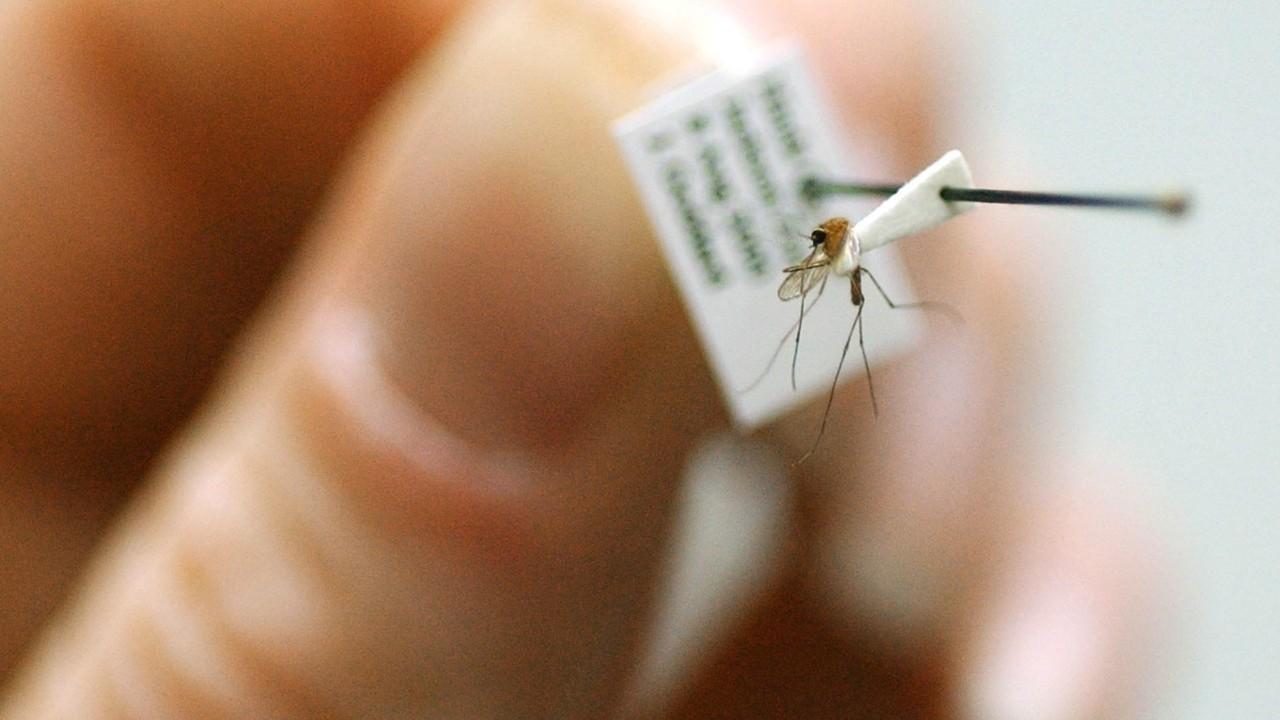
While health officials indicated the single case was not unexpected, they emphasized it serves as a crucial warning to take precautions as mosquito activity escalates throughout the summer.
"West Nile virus is exactly what it says. It's a virus that is spread through the bite of an infected mosquito," state Epidemiologist Dr. Renia Dotson said. "The way it is spread is from mosquitoes to humans, but not from humans to humans."
According to the Centers for Disease Control and Prevention, West Nile virus is the leading cause of mosquito-borne disease in the continental United States. While the new Mississippi case has not yet been reflected in the CDC’s national surveillance database due to reporting delays, the agency updates its counts throughout the season.
The CDC estimates about 80% of people infected with West Nile never develop symptoms. Roughly one in five infected individuals experience fever, headache, body aches, vomiting, diarrhea or a rash. Fewer than 1% develop severe neurologic disease, including encephalitis or meningitis, which can be life-threatening. Adults older than 60 and people with weakened immune systems are at the greatest risk.
Dotson noted that symptoms often resemble other common illnesses, making early detection difficult. "The symptoms are fairly innocuous," she said. "However, when the symptoms become severe, then patients can be confused, they can have difficulty walking, some will present with severe headaches, seizures and overall weakness."
Mississippi recorded more than 30 human cases of West Nile virus in 2025. Dotson said officials are seeing about the same pace of infections this year and expect additional cases before mosquito activity declines in the fall.
Dr. Santos Portugal, an assistant professor and extension urban entomologist at Mississippi State University, advised residents to assume the virus could be present anywhere in the state.
"It is important that everybody in the state of Mississippi recognizes that West Nile virus exists and it could potentially be found in any county in the state of Mississippi every year," Portugal said. "It is here and it is here to stay."
Health officials emphasize prevention because there is no vaccine or specific antiviral treatment for West Nile virus.
The Mississippi Department of Health recommends using insect repellents containing DEET or picaridin, wearing long sleeves and pants when possible, repairing damaged window screens, and eliminating standing water around homes where mosquitoes breed. Even small amounts of stagnant water in flower pots, buckets or pet bowls can become breeding sites.
Portugal noted that the mosquito species most commonly responsible for spreading West Nile virus in Mississippi is most active around dusk and overnight, making evening outdoor activities higher risk for bites.
"We should all know and recognize and respect the fact that West Nile virus is out there and that mosquitoes transmit it at this time of year during the evenings," Portugal said. "West Nile virus can potentially be extremely dangerous, and it kills people every single year in the United States."