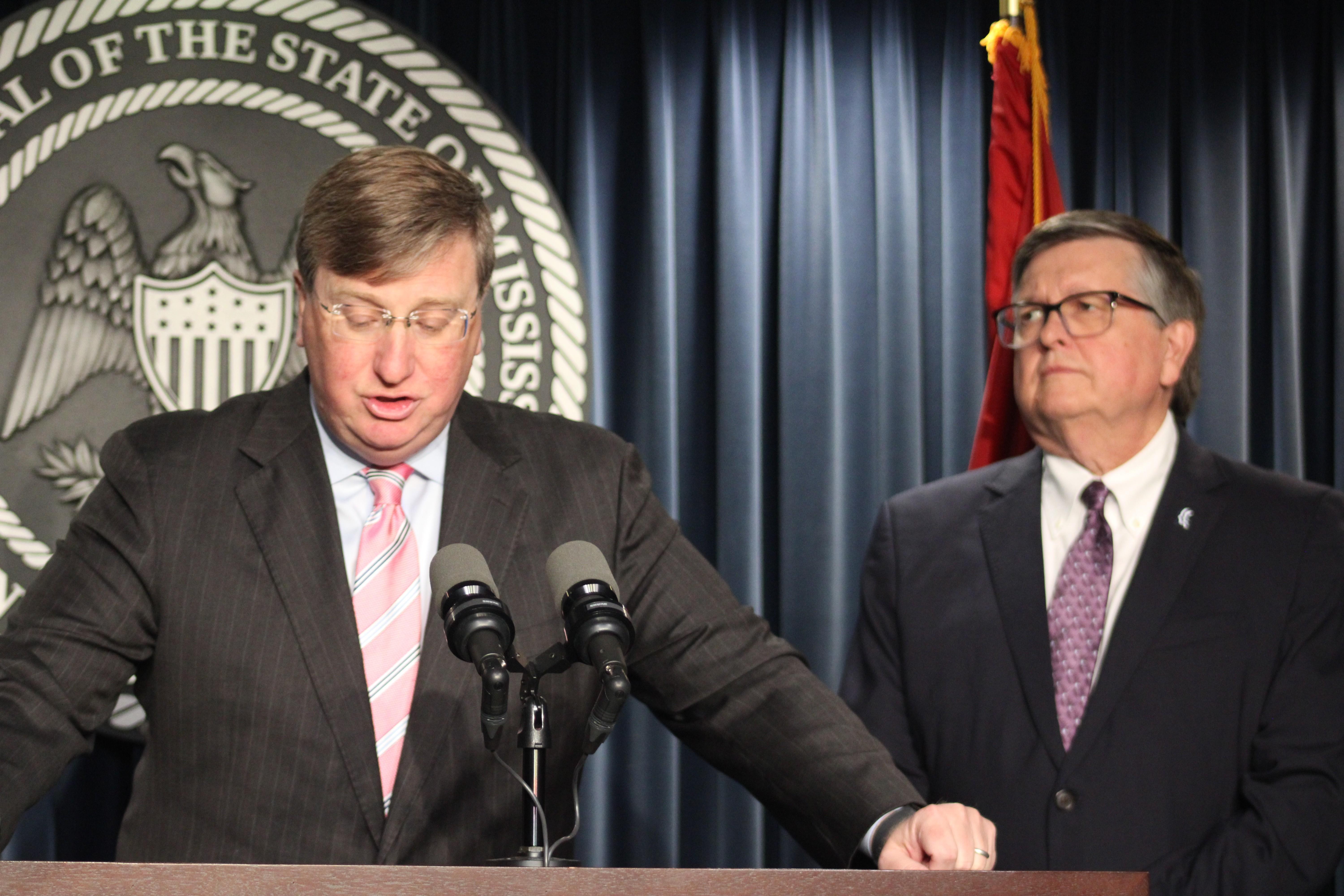
The first application period has already generated significant interest. According to Reeves, 236 organizations submitted applications requesting more than $676 million in funding, far exceeding the $81.7 million available through the program's first three grant opportunities. Those grants will support projects addressing healthcare service gaps, technology upgrades and expanded telehealth services.
Reeves said the investments are designed to create long-term improvements rather than temporary relief.
"We're focused on improving the system as a whole," Reeves said. "How do we ensure that there's better health care access and availability to people in rural areas?"
He said applications are being evaluated using published scoring criteria and reviewed by independent experts alongside the Mississippi State Department of Health before awards are announced later this month.
State Health Officer Dr. Dan Edney said the success of the initiative will ultimately be measured by improvements in health outcomes rather than the number of grants awarded.
"We see rural hospitals with healthier bottom lines. We have more rural health providers. We have patients in rural counties able to stay as close to home as they want to stay," Edney said. "We see improved longevity of our state ... that we see maternal health drastically improve in our state ... and that we see just the opportunity of Mississippians to live a longer, healthier life."
Edney also pointed to one of the program's signature pilot projects aimed at reducing Mississippi's obstetrical deserts through mobile prenatal care clinics. He said expanding public health services into underserved counties could significantly improve maternal and infant health outcomes.
Another major component of the initiative centers on recruiting and retaining healthcare workers.
Beyond facilities and equipment, Reeves said one of the state's biggest priorities is addressing healthcare staffing shortages through a new Workforce Expansion Initiative. He noted that hospitals need physicians, nurses, therapists, pharmacists, EMS professionals and other healthcare workers to deliver care.
Reeves announced applications are currently open for the Workforce Expansion Initiative, which is being administered by Accelerate Mississippi. The program seeks ideas that recruit students into healthcare careers earlier, strengthen training opportunities and connect workers with jobs in rural communities.
Courtney Taylor, executive director of Accelerate Mississippi, said exposing students to healthcare careers before college will be critical to meeting the state's workforce needs.
"We need more of them, and we need them to understand the options that are available in Mississippi," Taylor said. "We want to get people in these roles as quickly as possible... Building the infrastructure that will last beyond the year of the program is really critical."
Taylor said the initiative extends beyond nursing, encouraging students to consider careers ranging from physicians and therapists to pharmacists and other healthcare professions needed across Mississippi's rural communities.
State leaders say the Rural Health Transformation Program is intended to improve healthcare access for rural Mississippians through 2031 by investing in facilities, technology, behavioral health services and workforce development. Reeves said the program's success will ultimately be measured by healthier communities and stronger healthcare systems across the state.