While homelessness is often associated with larger cities, service providers in the Mississippi Delta and along the Gulf Coast say the problem is spreading into rural areas, where resources are scarce and many people remain out of public view.
According to HUD data, 519 Mississippians were counted living in cars, abandoned buildings, tents or wooded areas. Advocates say the actual number is likely much higher because many people avoid shelters or outreach workers or stay temporarily with family and friends.
"We have a serious problem of homelessness here in the rural area," said Phillip Marshall McGee Sr., director of the Sunflower County Transitional Center for the Homeless in Indianola. "The numbers do not reflect the actual number of homeless people because a lot of people don't want anyone to know that they're homeless."
The center, which opened in 2024 through a partnership with Sunflower County, provides transitional housing, counseling services and emergency assistance. McGee said more than 90 people have come through the program during its first 18 months.
Unlike many shelters, the facility allows some residents to stay for extended periods while working and saving money for permanent housing.
McGee said homelessness in the Delta often looks different than it does in urban areas.
Instead of large encampments, people may be living in wooded areas, abandoned properties or vehicles. Some move from county to county searching for work or a safe place to stay.
"A lot of people who are homeless don't want to acknowledge the fact that they are homeless," McGee said.
The center serves people from Sunflower County and surrounding areas, including Leflore, Bolivar and Washington counties. McGee said some residents remain only a few weeks before finding housing, while others require months of support.
Despite those successes, funding remains a constant challenge.
"It takes a 24-hour staff," McGee said. "Finance is our major issue."
The organization’s projected first-year budget was about $250,000, but McGee said the shelter has operated with significantly less, relying on county funding, church donations and private contributions.
On Mississippi’s Gulf Coast, providers report seeing many of the same trends.
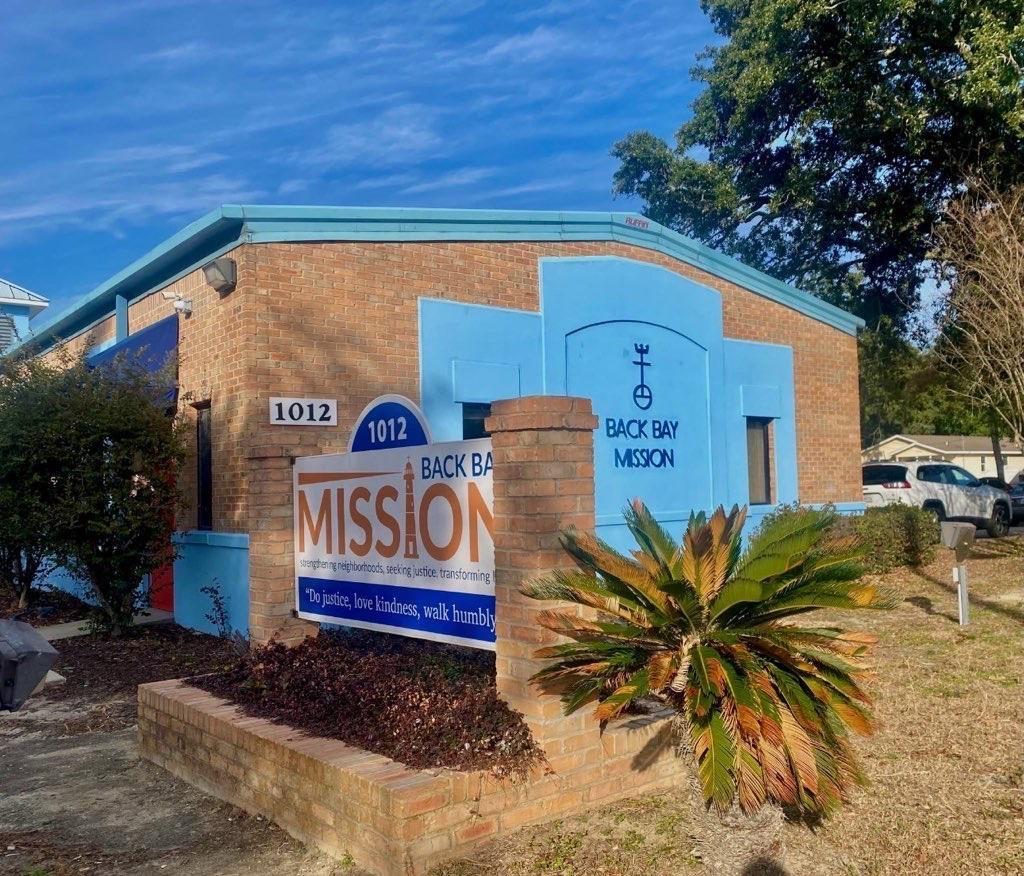
Back Bay Mission in Biloxi operates a daytime drop-in center where people experiencing homelessness can shower, wash clothes, receive meals and connect with case managers and health services.
Executive Director James Pennington said the coast lacks a true overnight shelter for most adults experiencing homelessness.
"We don't have an overnight shelter at all on the coast of Mississippi," Pennington said. "The closest would-be New Orleans and Mobile."
As a result, many people who visit the center during the day return each night to living in cars, wooded areas, under bridges or near businesses.
Health and Wellness Navigator Tara Moreau said the lack of stable housing often worsens mental health conditions, chronic illnesses and substance use disorders.
"You have families out here with children," Moreau said. "The dad or mom, someone stays awake at night to protect the children. It's a daily fight for these people."
Moreau said staff members are seeing more families and older adults seeking help as housing costs continue to rise. Some seniors survive on Social Security benefits that no longer cover rent, utilities and other necessities, she said.
"We're starting to see more elderly people," Moreau said. "Their Social Security check doesn't meet the demand of rising rents or medical bills."
Pennington said economic pressures are contributing to homelessness among people who never expected to need assistance. Higher housing costs, rising food prices and stagnant wages have left many households financially vulnerable.
"So many of our folks do not have an option for the American dream," Pennington said. "They don't have the opportunities. They don't have the financial resources."
Advocates also point to gaps in affordable housing, mental health services and emergency shelter space. Both organizations participate in annual Point-in-Time counts, the federally required surveys used to estimate homelessness nationwide. The counts involve outreach workers locating and interviewing people staying outside or in temporary situations.
Pennington said the surveys provide only a snapshot and likely underestimate the scope of the problem. People sleeping on couches, living temporarily with relatives or staying in vehicles are often difficult to identify and may not be counted.
"We know it's a lot higher," Pennington said.
Despite the challenges, advocates say stable housing and support services can produce lasting results.
McGee pointed to former residents who found jobs, secured apartments and rebuilt their lives after receiving help through the Sunflower County program.
Pennington said addressing homelessness ultimately requires treating housing as a solution rather than a reward that comes after someone overcomes every obstacle.
Both men believe the problem will continue growing unless more resources are directed toward affordable housing, shelters and support programs.
For now, organizations across Mississippi are trying to meet increasing demand with limited staff and funding.
"We need more outreach programs," McGee said. "We need more people willing to help identify people who need assistance."
Pennington said homelessness is not an issue affecting only a small segment of society.
"It's human dignity," he said. "They are us, and we are them."