


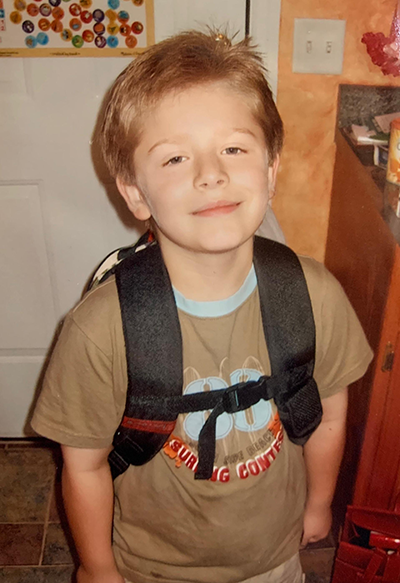
The first two months of kindergarten were far different than I envisioned. My son was happy, smart, active and a very talkative boy at home with a great imagination. We hoped he would show all of these great qualities at school, as he began kindergarten.
Instead, he was quiet, mostly unresponsive to the other kids and would only speak in a whisper to his teacher if he spoke to her at all.
This was not a complete surprise. In pre-school he was extra shy, didn’t play with many of the other children and was very quiet in the classroom. While he would complete the activities, he didn’t say much, or respond to his classmates a lot. His teachers were concerned and yet, he was the opposite of all of this at home. It didn’t make sense.
Parents, by virtue of becoming a parent, wear many hats. We’re our children’s first connection to the world and they depend on us for everything in the first few years of their life. We are the first people they gain the proper attachments to, who they depend on for nourishment, having their physical needs met, for their safety and so much more.
As parents we not only take care of our children’s physical needs, but we help them learn how to play, how to interact with others, and we automatically become their advocate, especially if they have learning or social differences.
A few weeks into my son beginning kindergarten, I discovered my son dealt with childhood social anxiety and selective mutism, which I had never heard of before. Honestly, to some extent, I was relieved to find language that explained what my son went through.
Selective mutism or situational mutism is simply an anxiety disorder in which someone who is capable of speech in one situation, cannot speak in specific situations when their anxiety is triggered.
He was not officially diagnosed until years later, but the school counselor brought me this information and it was the only thing that made sense.
Over the coming months I read many books on childhood anxiety and selective mutism to figure out how to help my son in the school environment, as that is where he seemed to suffer the most. I was in communication with his school counselor and teacher, who were great to work with. This was just the beginning of our journey.
What I have discovered is that there are often simple steps we can take to help our children succeed when we take the time to talk to others, educate ourselves and work closely with those who teach our children to offer possible solutions when they have none.
Never assume things will just get better on their own. This rarely is the case.
As I worked closely with my son’s teacher to implement techniques in the classroom, to lower his anxiety, we saw change begin. I worked at home communicating with my son and set up play-dates with other boys he was interested in becoming friends with. I was able to volunteer in my son's classroom at school and play games with him and a small group of boys. All of these steps began to pay off over time and we watched a slow transformation take place.
This was the key: To lower the anxiety.
Once my son started to feel comfortable he began to speak to his teachers, classmates and not be held hostage by anxiety.
Without taking the time to work with my son’s school counselor, educate myself, and offer his kindergarten teacher techniques she could use in the classroom setting - I am not sure how my son would have succeeded.
I encourage you, as a parent, to go the extra mile.
It’s not always easy, you may not know what you are doing, but it’s worth it in the end. When my son began school he looked scared, like he was angry or going to die, on a daily basis. By the middle of the school year he was smiling, had made friends and was talking to his teacher. My mom’s heart was relieved and so thankful.
Like I said, this was the beginning of our journey, but I’m so grateful we began!