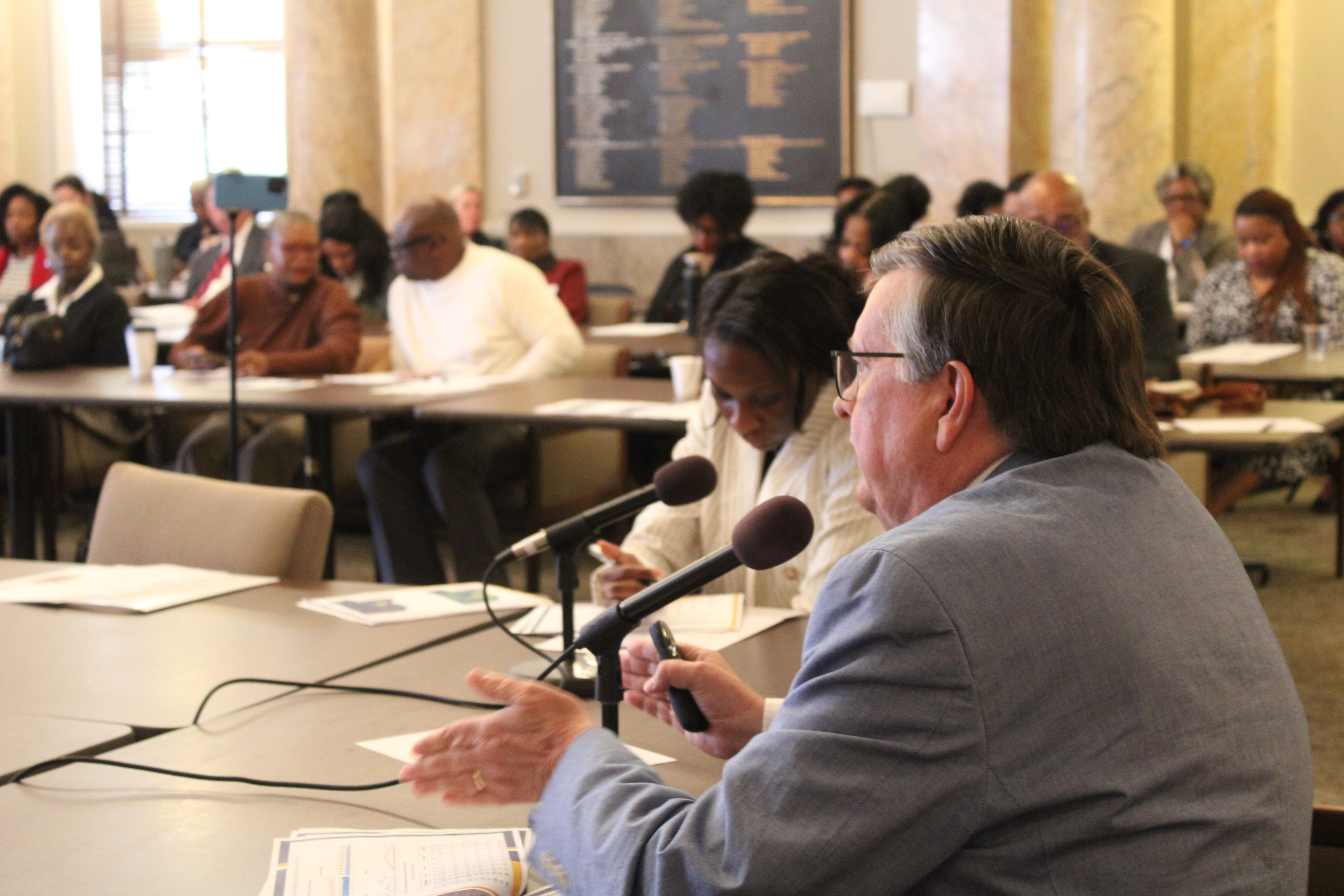
Edney says the Delta has the highest rate of maternal death, followed by Southwest and Northeast Mississippi.
“We cannot allow a system that is generating a mortality rate among Black babies of 15.2 per thousand live births,” Edney said. “That is just absolutely unacceptable for our society.”
Dr. Edney says the department of health will be asking the legislature for level funding for the 2026 fiscal year, although he expressed concern about the need for more funding in 2027. Edney anticipates that the department will be able to establish a system of care dedicated to high risk perinatal patients.
“So high risk women who are in labor, going through their delivery, and then taking care of their high-risk baby in the immediate neonatal period,” he said. “We will be the only state in the country with a comprehensive system of care directed to perinatal care.”
Lawmakers expressed concern about the lapse in SNAP benefits due to the current government shutdown and the impact that could have on mothers and the “Big, Beautiful Bill” and potential work requirements that may be required in order to access social safety networks.
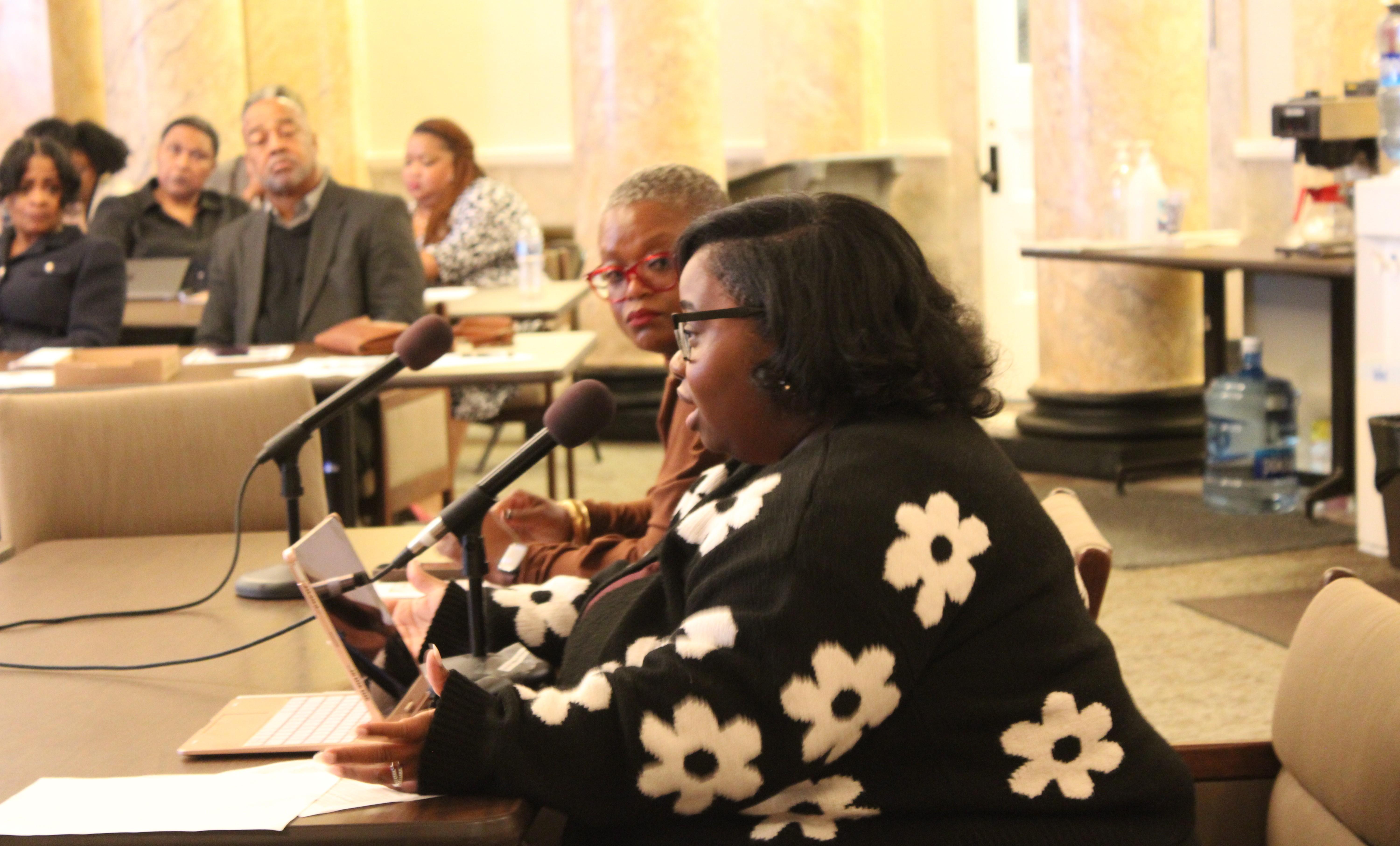
Dr. Cheryl Owens, who chairs the Maternal Mortality Review Committee, is a mother of two. She says while maternal morbidity disproportionately impacts low-income women, it is present in all socioeconomic groups.
“Mississippi has given me a lot,” she said. “It's given me my family, after those two little adorable things in the front tried to take me out. I say that in jest, but again with reflection and gratitude, because I am a survivor of a severe maternal morbidity. I recognize that despite my education and despite my status and my position, I was laying on a bed and looked at my doctor and said, I work here, don't let me die here. Because of that, this work for me is not just business, it's personal.”
Mothers in Mississippi are able to continue Medicaid coverage up to 12 months after giving birth. Last year, the state legislature passed a law allowing paid parental leave. Still, Dr. Owens and others say that inadequate prenatal care and a lack of mental health resources contribute to disproportionate maternal health outcomes throughout the state.
“We're seeing mental health issues as increasing contributors to maternal mortality, as well as substance use disorder,” Owens said. “I will also say, as a maternal fetal medicine specialist, that there are opportunities for treatment for women who have substance use disorder and pregnancy.”
Several advocates pointed to a lack of cultural competency as a contributing factor to poor maternal health outcomes.
Public health professional Nakeitra Burse testified about the loss of an aunt in 2006 due to pregnancy-related complications.
“She had a master's degree,” she said. “She was not listened to in the healthcare system.”
Burse says racial inequities within health care disproportionately impact Black mothers, with many deaths occurring postpartum. She asked lawmakers to support policies that create more community based health workers, including midwives and doulas.
Dr. Owens says many Black mothers are not able to speak to diverse health care professionals when seeking care.
“We also need to have people who are reflected in the communities that they serve and so that those communities can see those individuals,” she said. “I believe, and business literature has supported this, that a diverse workforce is a strong workforce.”
Maternal health deserts across the state means that many women must drive more than 40 minutes to reach care. Advocates say 23 rural hospitals in the state are at risk of closing.
Even in urban areas, many advocates express concern for the amount of paid parental leave many women are able to take.
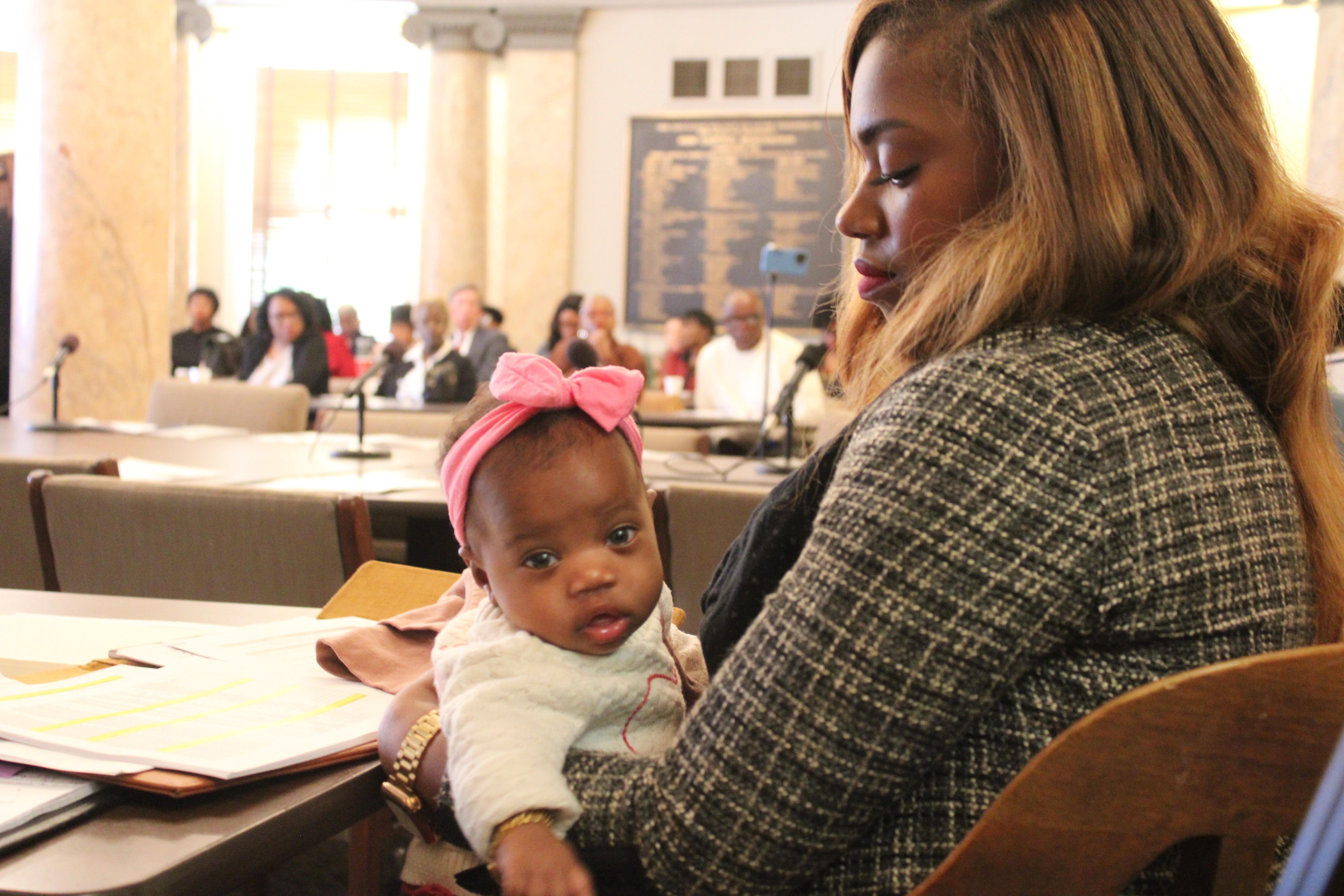
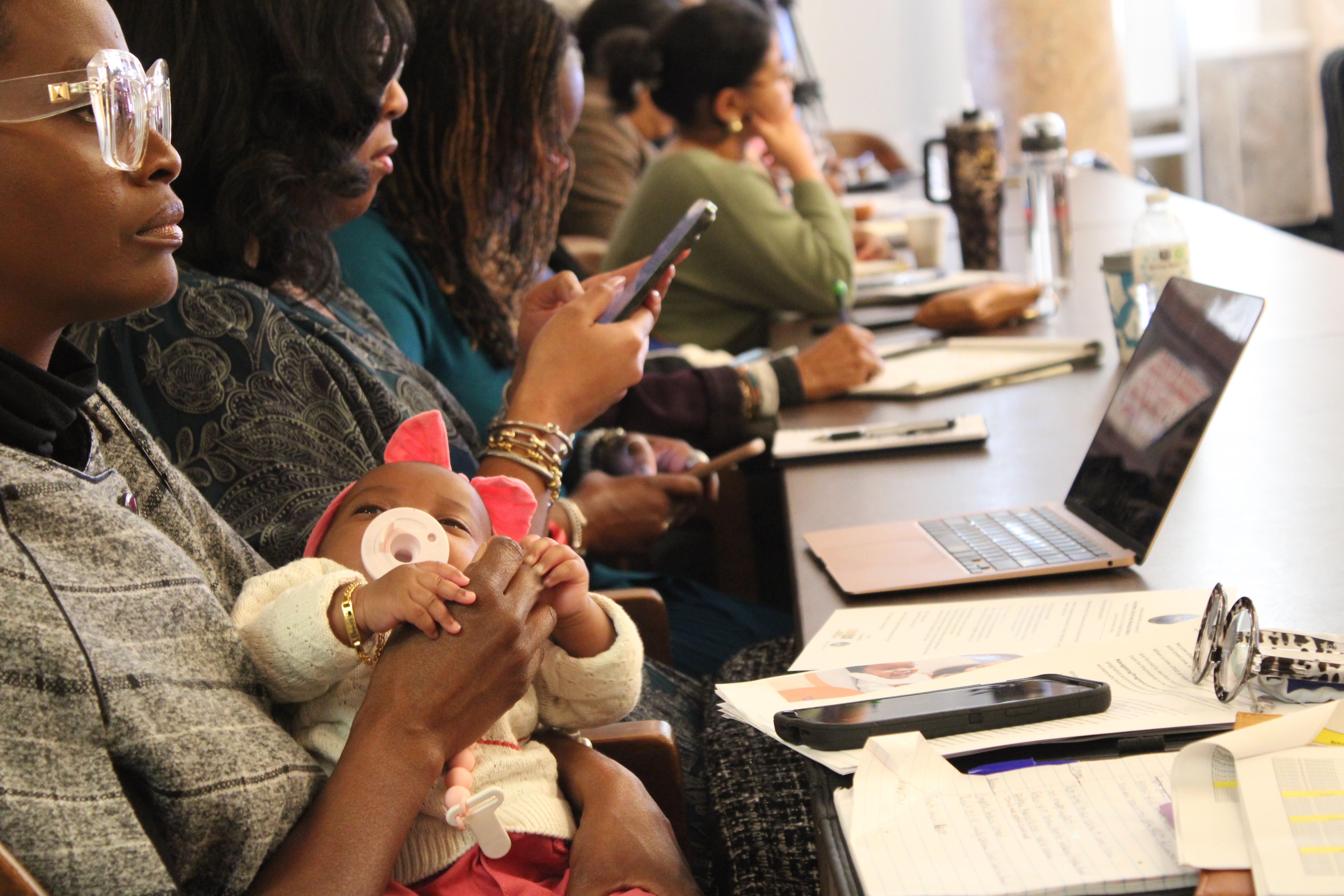
Robin Y. Jackson, a policy advocate for the Mississippi Black Women’s Roundtable, was able to have 12 weeks of paid maternity leave. She brought her four-month-old daughter, Denver, to the hearing.
“What I could not imagine is to be in week 5 and having to think about how I would go back to work and to do all the things that I had been doing when I was battling a cesarean scar that had been re-injured, and then also battering postpartum depression,” she said. “Having that 12 weeks off gave me some additional time to be able to actually take care of myself, and ensure that when I did go back into the workforce, I was better for my family and also for my employees.”
The health department is expected to release an updated maternal mortality report in December.