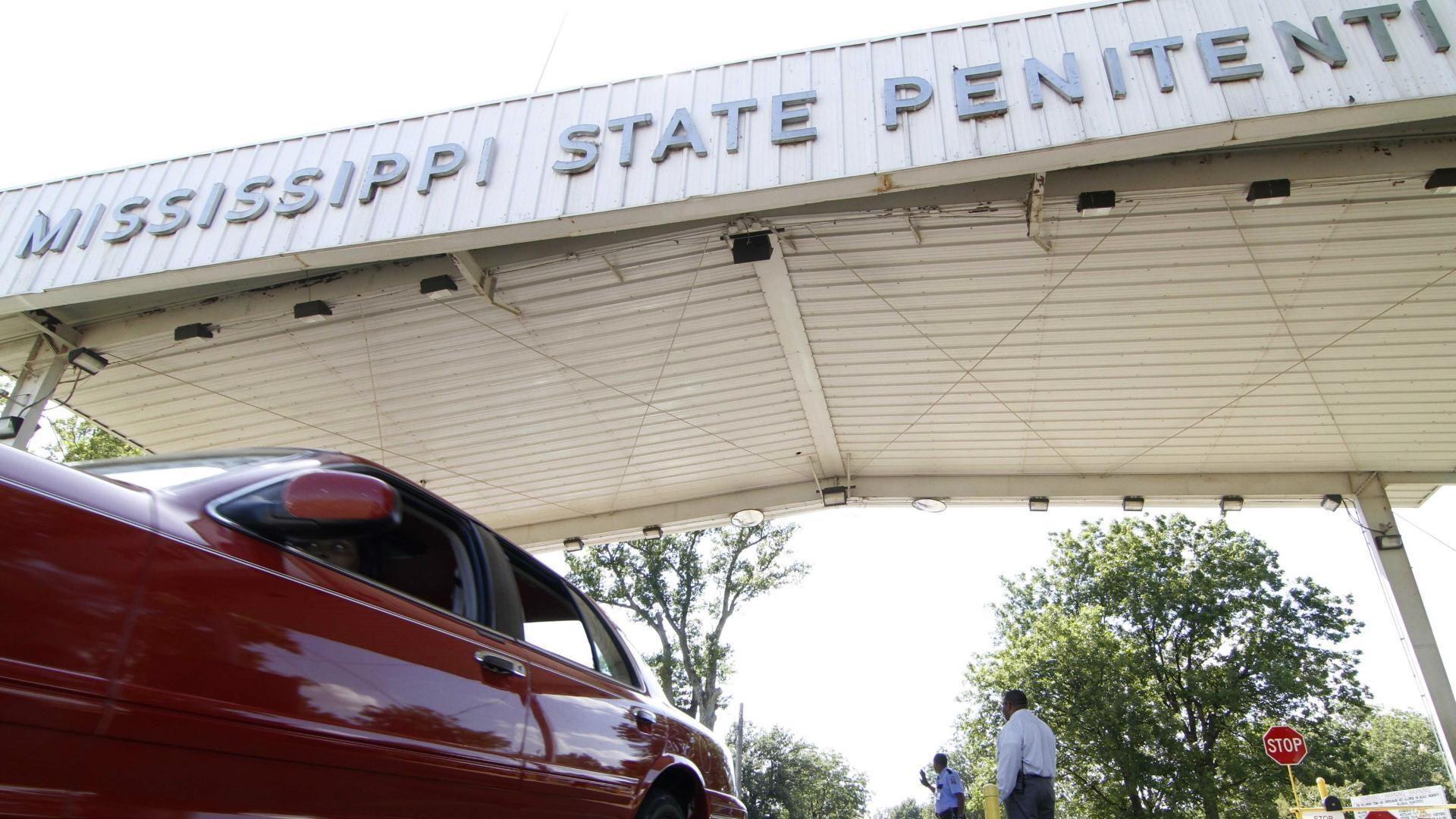
Senate Bill 2795, known as the Mississippi Earned Parole Eligibility Act, would allow for more inmates to qualify to be released from prison. The bill passed the Mississippi Legislature with bipartisan support, but needs the Governor's signature. Mississippi has one of the highest incarceration rates in the nation. Violence erupted in the state's prison system in early 2020 resulting in a number of prisoners dying. The prison system is now under investigation by the U.S. Justice Department. Russ Latino, President of Empower Mississippi, says the bill would allow the state to start releasing rehabilitated inmates and reduce strain on the corrections system. "So you have lots of people who would be eligible by virtue of this passing, but that doesn't mean that those people are going to get a hearing right away, and it doesn't mean that the parole board then is going to make the decision to grant them a second chance, so I would view this as a more gradual process."
Some incarcerated Mississippians are serving decades-long sentences for non-violent crimes and would be eligible for parole if the measure becomes law. Pastor C. J. Rhodes of Mount Helm Baptist Church in Jackson advocates for prison reform in Mississippi. He says a major benefit of the bill is to allowing incarcerated Mississippians to reconnect with their families. "The healthier the family is the healthier the schools, the healthier our churches, the healthier our colleges and universities. And I think we will see a significant impact of that on the lives of young people who are often caught up in cycles of violence and hopelessness when they have family members behind bars."
The bill would exclude those convicted of several crimes, including human and drug traffickers, sex offenders and murderers.