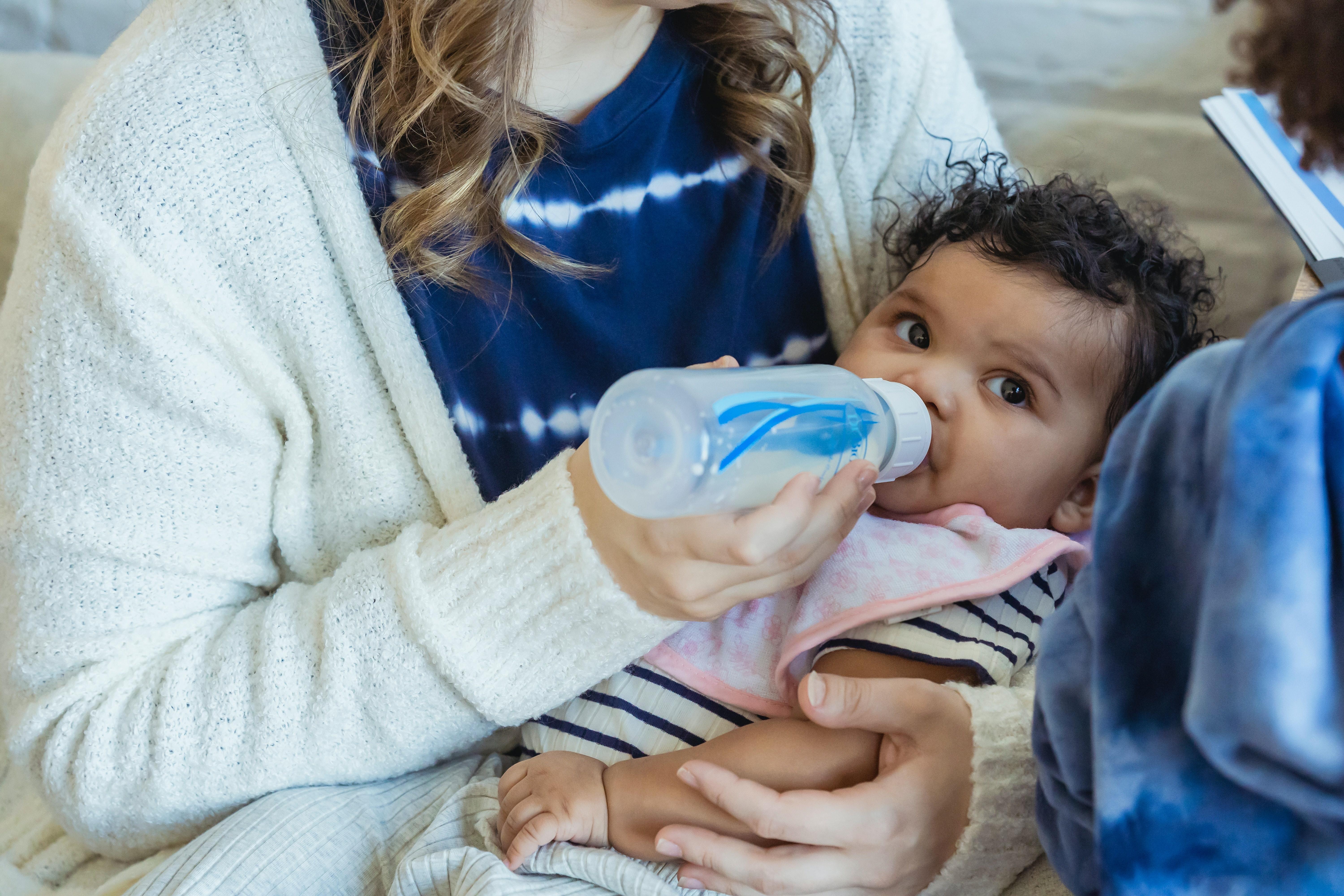
Mississippi is one of many states that continues to face a shortage of baby formula, and pediatricians have expressed concerns that this could be harmful to the nutritional needs of the state’s infants. Francis De La Rosa is the Executive Director of the Mothers Milk Bank of Mississippi. She says some moms are unable to breastfeed “especially when these mothers have full-time jobs where they have to go back to work,” says De La Rosa. “And a lot of them don’t have the time to be able to take away for pumping, they have to go back to work and don’t have their baby to breastfeed there. So it gets more difficult for them.”
Mississippi has one of the lowest breastfeeding rates in the nation, and the Milk Bank accepts donations from those who can lactate. The majority of the milk is used to care for prematurely born infants, but the non-profit has recently launched a new initiative to help mothers who are unable to feed their babies. De La Rosa says supplies will be limited.
“So when we do have availability of outpatient milk, we launch this program where we’re giving 34oz on a donate-what-you-can basis because we know how difficult it is already for moms trying to find nutrition for their babies. So we launched this program, it’s a donate what you can, and it’s a one-time [distribution] of ten bottles.”
Donations of breastmilk are being accepted by the organization, although there is an application process.
Pediatric experts say parents should avoid buying excess formula to prevent shelves from staying empty, and have issued warnings that homemade formula can be dangerous for babies.