


Segments of the economy in Mississippi have nearly come to a halt after government officials issued a statewide stay-at-home order to minimize the spread of the coronavirus. While meant to protect the health of Mississippians, these orders have crippled many small businesses - especially those in African American communities. MPB’s Ashley Norwood reports.
Of the almost 2700 Mississippi businesses registered by the Small Business Administration, about 470 are black-owned as of Fall 2019. Although black businesses make up less than 18 percent of the state’s economy, they’re starting to feel 100 percent of the losses dealt to small businesses by the coronavirus pandemic.
Jernise Young is a stylist and owner of Glamour U Hair Designs in Ridgeland. She says every year around this time, she would make some of her biggest bucks.
“This week is Easter. This is one of the biggest weekends for stylists to just take as many clients and see an increase in their income. (For me) I would just roughly say around about 3500,” says Young.
But not this year. Her hair salon is closed indefinitely. Republican Governor Tate Reeves recently issued a statewide shelter in place order, closing all non-essential businesses until at least April 20th, to slow down the spread of the coronavirus.
More than 30,000 Mississippians have filed for unemployment this month, marking an unprecedented spike in claims. But what does that look like for black entrepreneurs?
Brad Franklin is a community organizer and founder of Our Glass Media Group. He says the idea of America’s recession being an economic depression for black people is nothing new.
“We expect the trials and tribulations. With us we expect the obstacles. We expect to go into the bank and be told no. We expect to go in front of lenders and be told no. We’re expected to go in front of investors and be told no. That’s just kind of the nature of what we’ve had to deal with so when we’re dealing with something like this recession right now, we’ve kind of been preparing for it all along because a lot of us have been learning how to make the best off of a shoestring budget for a very long time,” says Franklin.
To alleviate the economic impact of the coronavirus on both individuals and businesses, Congress passed the Coronavirus Aid, Relief and Economic Security Act or CARES Act.
Democratic Congressman Bennie Thompson represents Mississippi’s 2nd Congressional District.
“If you are an American citizen, there are parts of this program that you can benefit from. The barber, beautician, the waitress, the janitor, the person who is a personal trainer in a gym… We’ve taken the lawn care specialists. All those individuals are included,” says Thompson.
John Stanford is co-director of the Small Business Roundtable. During a webinar sponsored by ESSENCE this week, Stanford says one of the biggest lifelines the CARES Act offers is the Paycheck Protection Program or PPP. It consists of 350 billion dollars in government-backed loans to help companies maintain their payrolls through June 2020.
“The PPP loan program is probably the best fit for most businesses. It will allow you to make eight weeks of payroll, rent, mortgage interest and utilities and be forgiven the amount you borrowed from the government if you use it for those expenses,” says Stanford.
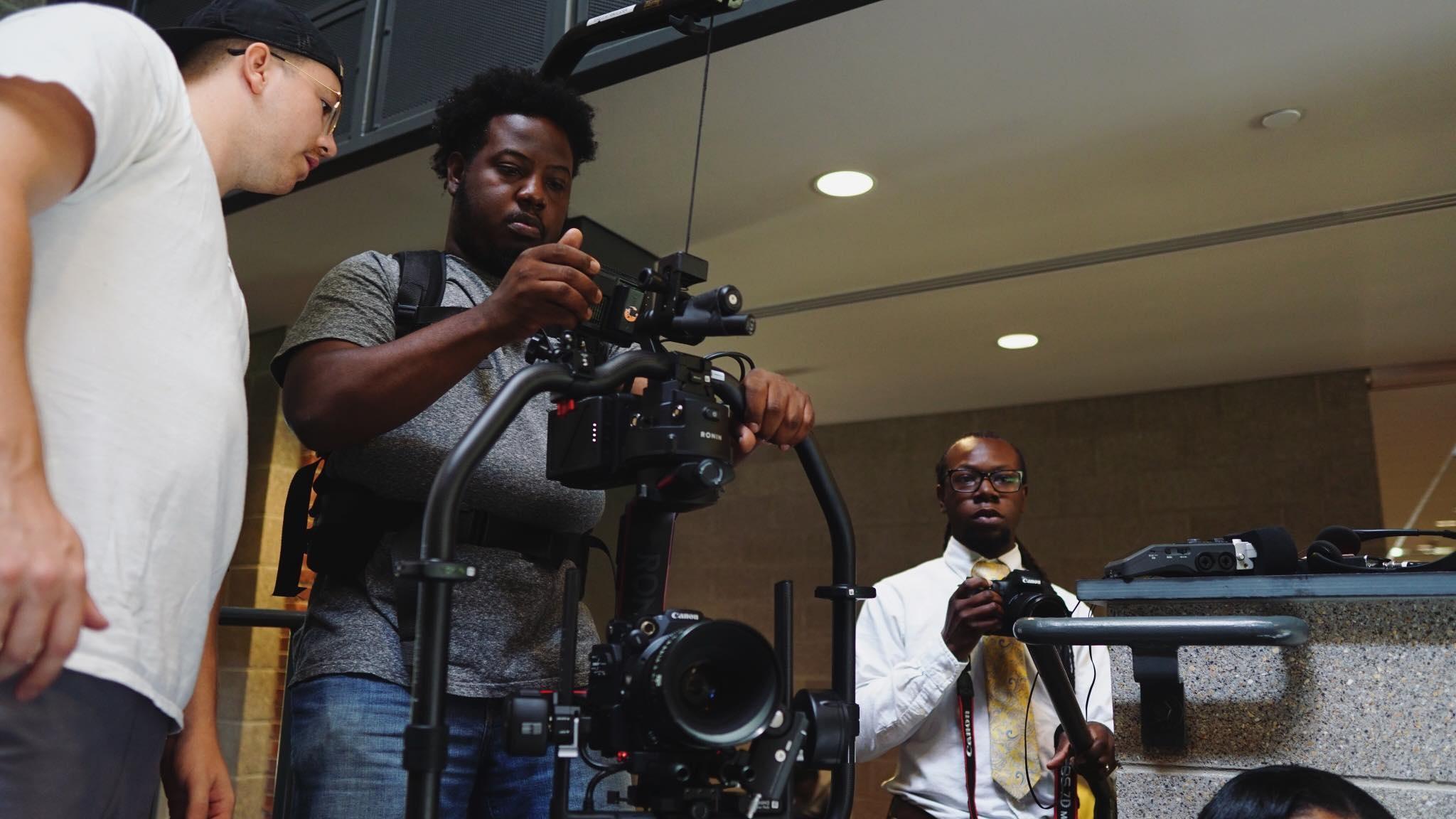
Roderick Red is CEO of Red Squared, a communication design company in Jackson. Like a lot of small businesses, he says he’s used to “running on his own gas.” That means, he’s been depending on the money he makes to run his business, pay employees and keep the lights on. He says during this pandemic, inquiries about video productions have completely stopped. But as the demand for online content and live streaming increases, he says he’s getting calls for his services.
"I think a lot of organizations and educational institutions are now starting to recognize like 'hey we’re just going to be here and we need to have a plan and we need to get our word out about what we’re doing' and they’re thinking like ‘oh okay video is the best bet and live streaming.’ Calls are coming in more frequently from past customers and newer customers are reaching out now,” says Red.
Red says he applied for the Payroll Protection Program, just in case.
Brad Franklin with Our Glass Media Group manages musician and rap artist Dear Silas. He says they were just about to kick off a 15 city-wide tour. He says his group invested thousands of dollars into booking venues, travel and tour promotions -- money that won’t be refunded.
“We’re calling venus now and trying to postpone dates and move dates. We don’t know what dates are going to be good. We move some dates to June and then you find out that maybe the shelter-at-home is going to last longer than May and it’s going to last into June,” says Franklin.
In this time of great uncertainty, Franklin says what motivates him is the fact that this won’t last forever. Black business owners in Mississippi say they can only hope for the best and try to survive the economic impact of the coronavirus.