Ramona Alexander remembers watching Anthony on television delivering the news.
“I remember when I saw her on screen and I thought, ‘Wow, I can one day do something like that.’ It was inspirational.”



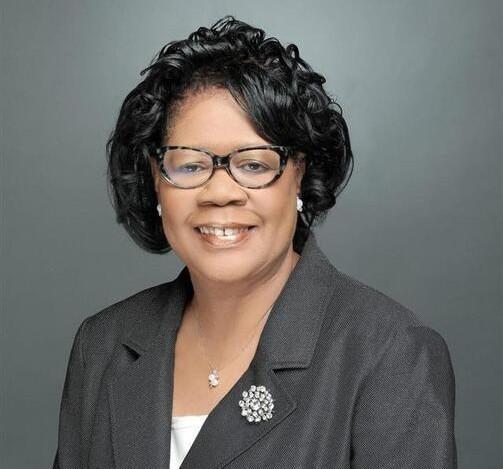
Ramona Alexander remembers watching Anthony on television delivering the news.
“I remember when I saw her on screen and I thought, ‘Wow, I can one day do something like that.’ It was inspirational.”

Tiara Jackson
Former colleagues, students reflect on the legacy of Dr. Elayne Hayes Anthony
Alexander is now vice president and general manager at WDBD Fox 40 in Jackson. She watched as Anthony made history, becoming the first Black woman to serve as anchor, producer and reporter for WJTV. The station is where Anthony began her journalism career after graduating from Jackson State University in 1973.
Fifty years later, Anthony, a Jackson native went on to serve as interim president at JSU and chair of the Department of Journalism and Media Studies at JSU.
Broadcast journalist and former “Good Morning America” anchor DeMarco Morgan is one of the many students Anthony helped place in broadcast markets across the country.
“I am who I am because of Dr. Anthony. I am where I am because of Dr. Anthony.”
Morgan is a 2001 graduate of Jackson State. He went on to work in markets in New York, Chicago, Los Angeles and cities across Texas.
“It was kind of cool to see this woman who was still kicking and moving and thriving. And she had taught the people who were teaching me,” Morgan said. “So I knew she was somebody to be respected and revered, but she was so kind, super supportive, super smart. She stayed on me and she quickly became a mentor of mine and served as a mentor throughout my entire career.”
Morgan describes Anthony as a mentor and a dedicated educator who believed deeply in her students’ potential.
“Think about all the journalists that she’s directly and indirectly touched and mentored and had an impact on. And then we’re in newsrooms,” Morgan said. “Be it radio, be it newspaper, be it TV, broadcast centers, and we’re making editorial decisions. We’re in the field covering stories. We are here and where we are because of Dr. Anthony, and that should never, ever go unnoticed.”
Jonathan Swannigan is a 2015 graduate of Belhaven University and studied under Anthony in the communications department. He is currently an e-commerce manager for H-E-B Corp. in Texas.
When he wanted to change his major, Anthony sat him down and had a conversation with him about life.
“You know, if you want to change your major, fine. But she also gave me a story about enduring and not giving up,” says Swanningan. “Because the thing about it is she was the type of person where she was really hard on her students, but it was for a good reason. She wanted to bring out the best in us.”
Swannigan said she guided her students with a mix of encouragement and firm expectations.
“If you came to her about something, you’d better come correct and if you have a vision or if there’s something that you want to do, she’ll definitely support you in that. But you better make sure that you are going full force and not half doing. If you’re going to do it, you need to be 110% all in.”
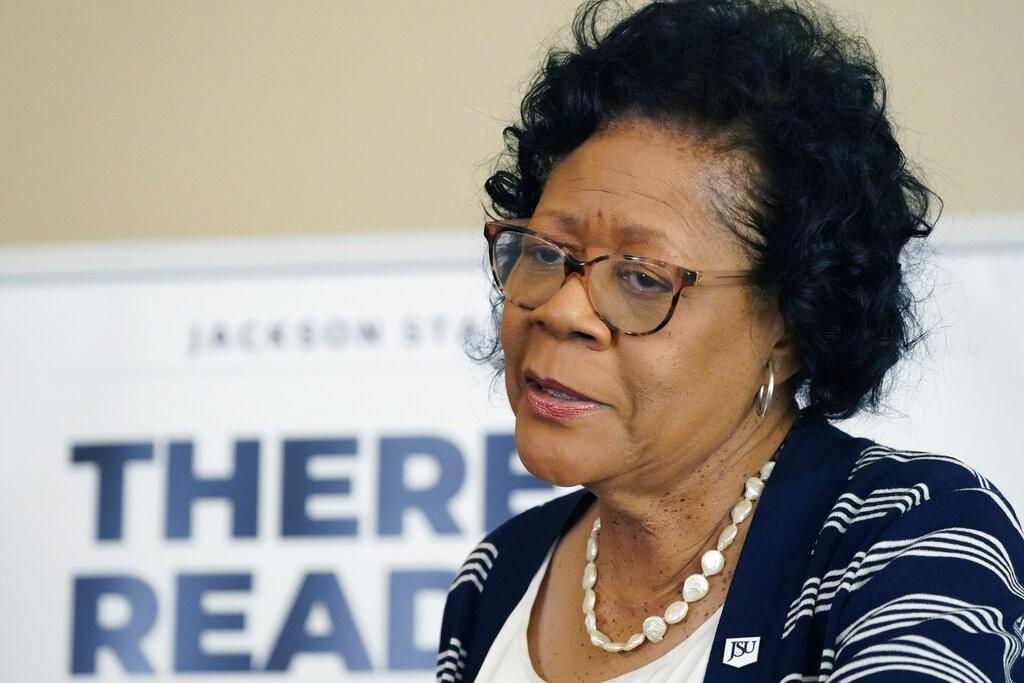
Kachelle Pratcher shares those same feelings as Swannigan. She met Anthony as a student in the journalism department at Jackson State.
Right before graduation, Anthony helped her secure her first job in television at WLBT as a news producer. That opportunity led her to a larger market in Tallahassee and then back to her hometown of Chicago.
“She had this wealth of knowledge because the industry can sometimes be very intense. I’m so grateful for her and all the knowledge she shared with me.”
Anthony later hired her as an adjunct instructor and remained someone she could always call.
“I think that Dr. Anthony really took the opportunity to transition our department to be more forward-looking, to be more aggressive in preparing students for what’s to come because it is intense when you get in the industry.”
At the time of her death, Anthony was working on a new podcast called “Clear Lenz” with social media personality Brett Kenyon. The first two episodes aired the day after she died.
In one of her final interviews, she reflected on what it meant to hear former students talk about the lessons she taught them.
“When I can hear that from students, it makes me feel like I am letting the work I have done speak for me. That means a whole lot.”
Anthony continued to break barriers throughout her career, making history again when she became the first Black woman to serve as president of the Mississippi Association of Broadcasters.
Ramona Alexander served on the board with her during the two years she was president.
“She was innovative because she always tried to look ahead to see what the new trends were. And her attitude was about collaboration and how we can grow our organization and how can we reach out, increase our reach to students.”
Alexander still serves on the board.
“I loved her. I am going to miss her. She lives in my heart. She was my friend and a professional colleague, and I am really going to miss her.”