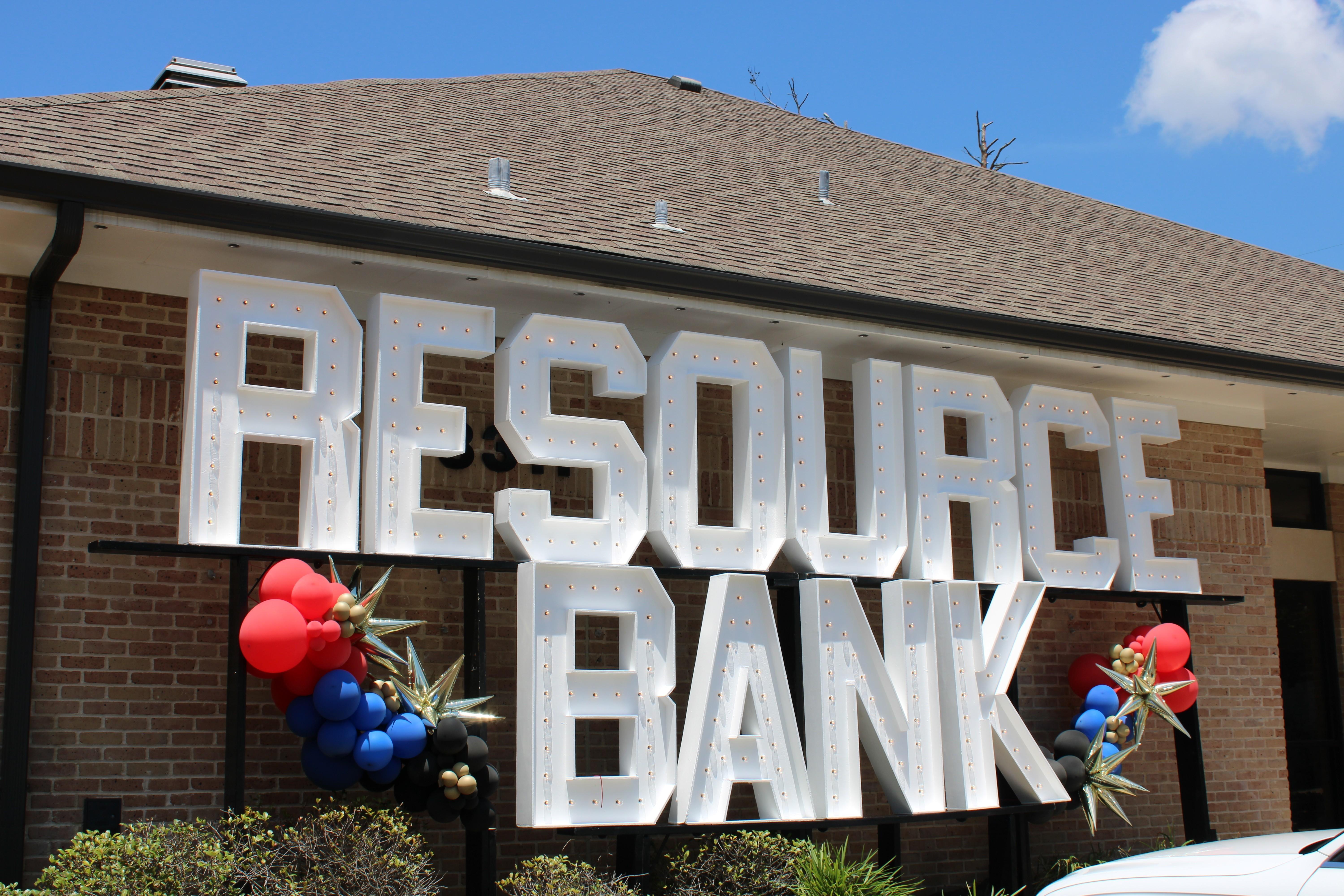
Executive Director Dr. Erica Thompson said the foundation targeted South Jackson specifically due to the area's mounting needs and the strategic necessity of co-locating disparate services.
"It's very important that we're intentional about maintaining the essential resources, but also resources that go beyond essential resources in those communities," Thompson said. "The reason why we picked this area for the Community Resource Bank, we cannot do this work alone. No organization can do it as a solo."
Thompson noted that while specific local challenges vary, the core mission is universal: bringing life-altering resources directly to the people. "It's important that those resources reach beyond just the proper areas, but also into our rural and underserved areas," Thompson said. "The greater we are together is when all of us are able to have access."
The center provides year round access to health screenings, workforce training, food assistance, education and mental health services. Community organizations can lease permanent or rotating spaces, allowing for a collaborative environment where nonprofits share infrastructure to maximize impact.
The initiative launches as Mississippi communities continue to struggle with economic hardship, transportation barriers, provider shortages and food insecurity. While these crises are often associated with rural regions, advocates emphasize that urban neighborhoods frequently face identical hurdles.
Mauda Monger, founder of The SHE Project, said bringing services directly into neighborhoods removes one of the biggest obstacles families face: access.
"It's important to have it in this specific area because we know what the economics look like in this area, the demographics look like in the area," Monger said. "One of the major issues of social determinants we have in the state is really around transportation. It's important that community have a place right here, close to where they live, that they can get their much-needed services and resources."
Monger said her organization plans to become a permanent partner at the Community Resource Bank, providing free HIV and sexually transmitted infection screenings, maternal health education and mentoring programs for women and girls.
She said the concept has the potential to reach far beyond Jackson.
"We know there are areas in the Mississippi Delta and East Mississippi that are droughts when it comes to services," Monger said. "This is a beautiful model that can be replicated throughout the entire state of Mississippi."
Healthcare providers are also using the site to meet residents where they are.
Molina Healthcare deployed its mobile medical unit for the opening, providing free health screenings and assisting residents with insurance enrollment and primary care connections.
Community Engagement Specialist Shamika McKenzie said mobile units are vital for reaching those who avoid traditional clinics due to cost, logistics or deep-seated mistrust of the healthcare system.
"The reason why we bring the mobile unit out is because a lot of times people don't go to the hospital, they don't go to their doctor's appointment," McKenzie said. "This gives people an opportunity to be a little bit more comfortable... and they don't have to worry about insurance billing. It's a free service."
Residents who attended the grand opening said the event addressed needs that extend well beyond healthcare.
DeMarcus Johnson brought his daughter to receive school supplies before the new school year.
"It can help me out by saving money and we can get the free supplies if we need it," Johnson said.
Carlos Robinson attended with his family after learning about the giveaway.
"Some parents don't have it, some not as fortunate," Robinson said. "It's just a blessing to come out and you guys give away all the free stuff."
For Lakena Tucker, who lives on disability and has adopted three children after their parents were deported, the resource bank represents a vital support system.
"For people that are disabled or people that's low income that really need the sourcing help because everything got so high," Tucker said, explaining the center's necessity. She added that having a permanent support system in the neighborhood is "wonderful."
Thompson envisions the Community Resource Bank evolving into a statewide standard, demonstrating how cross sector partnerships between healthcare, business and nonprofits can bridge economic gaps and ensure consistent service access for all Mississippians.
"We are not without hope," Thompson said. "We are able to reinvent. We are able to think outside of the box."