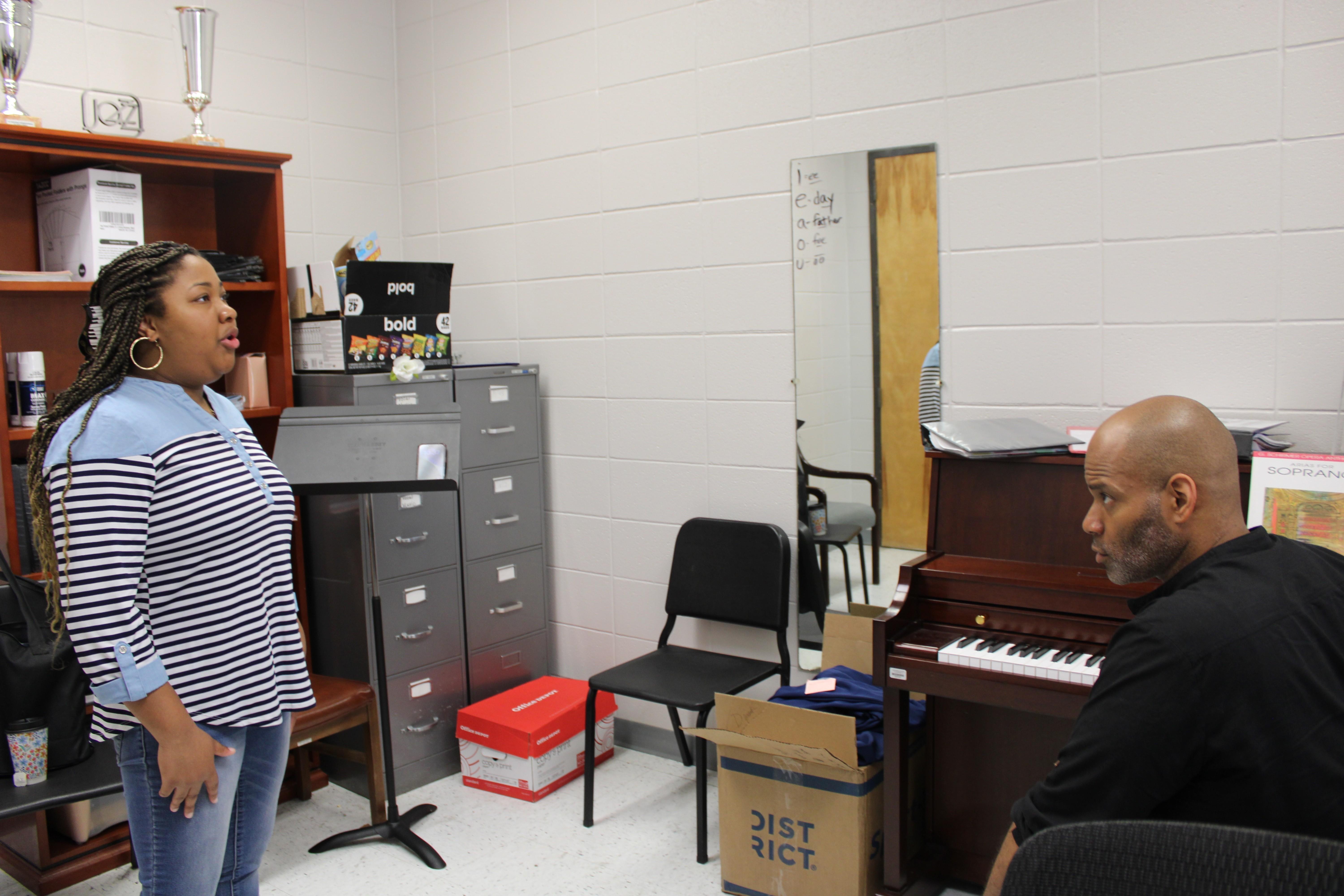
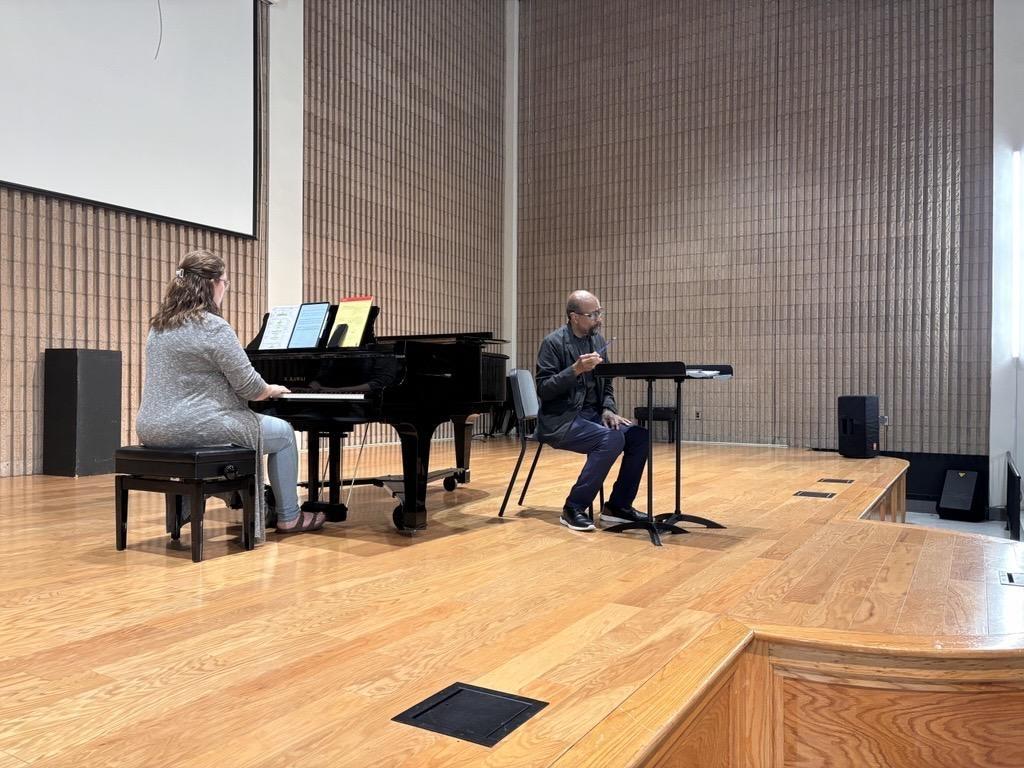
The project premiered in May at Yale University through a partnership grant before returning to Jackson State for its Southern premiere. Luckett emphasized that one of the most meaningful aspects of the production is the opportunity it provides students.
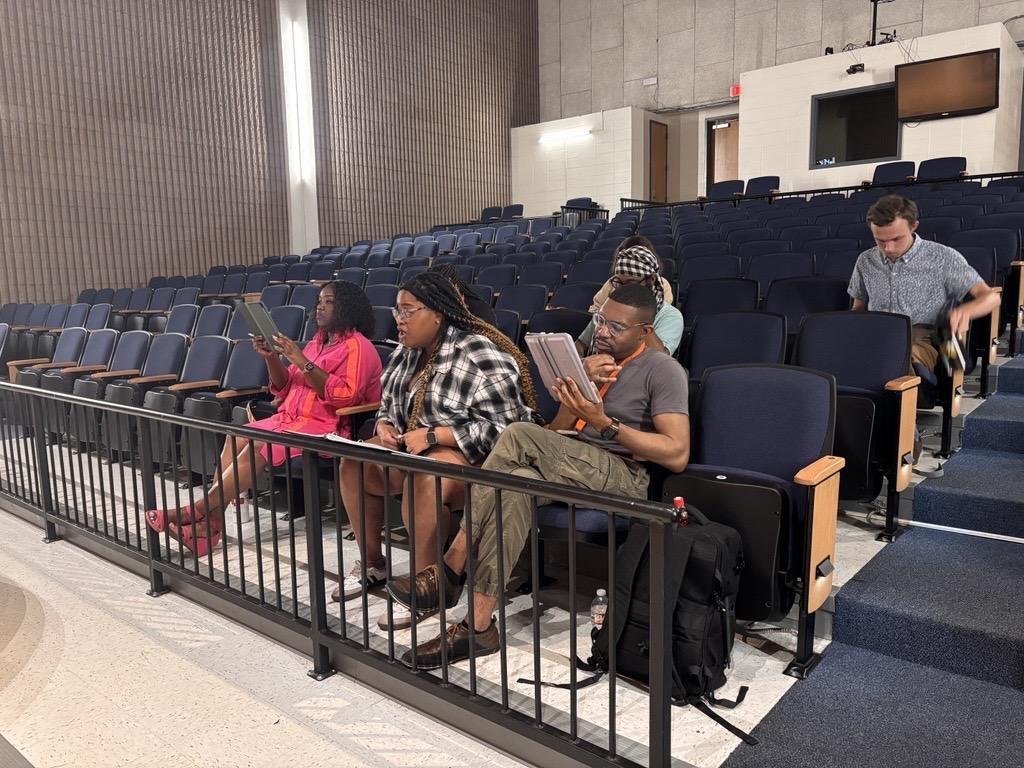
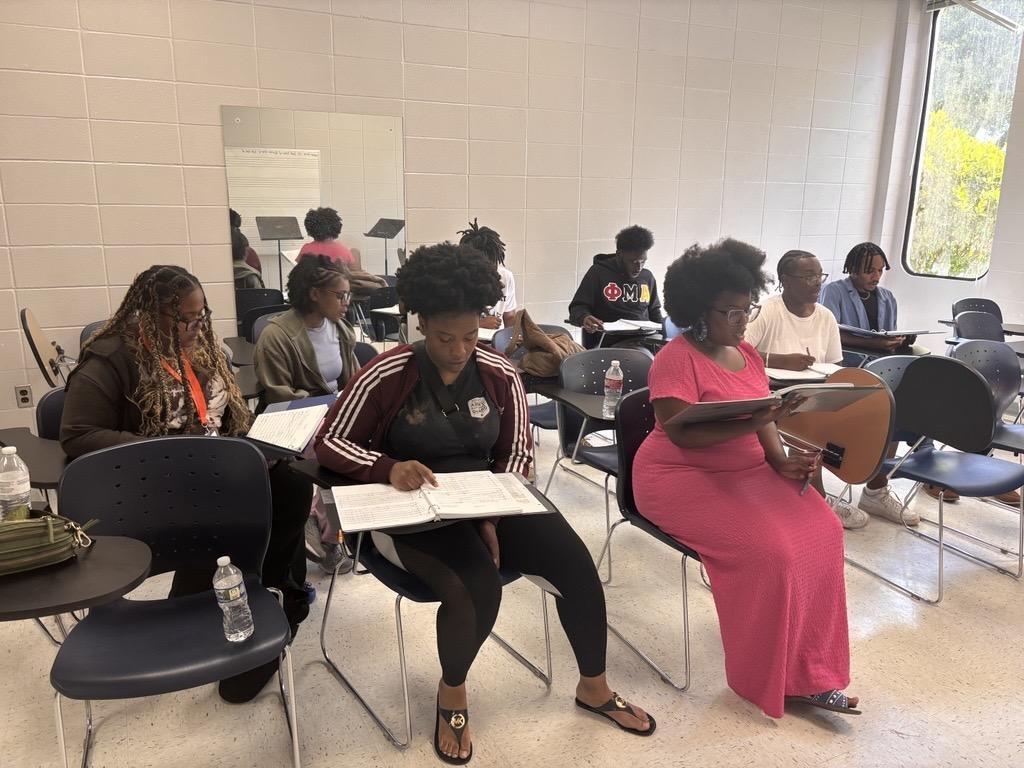
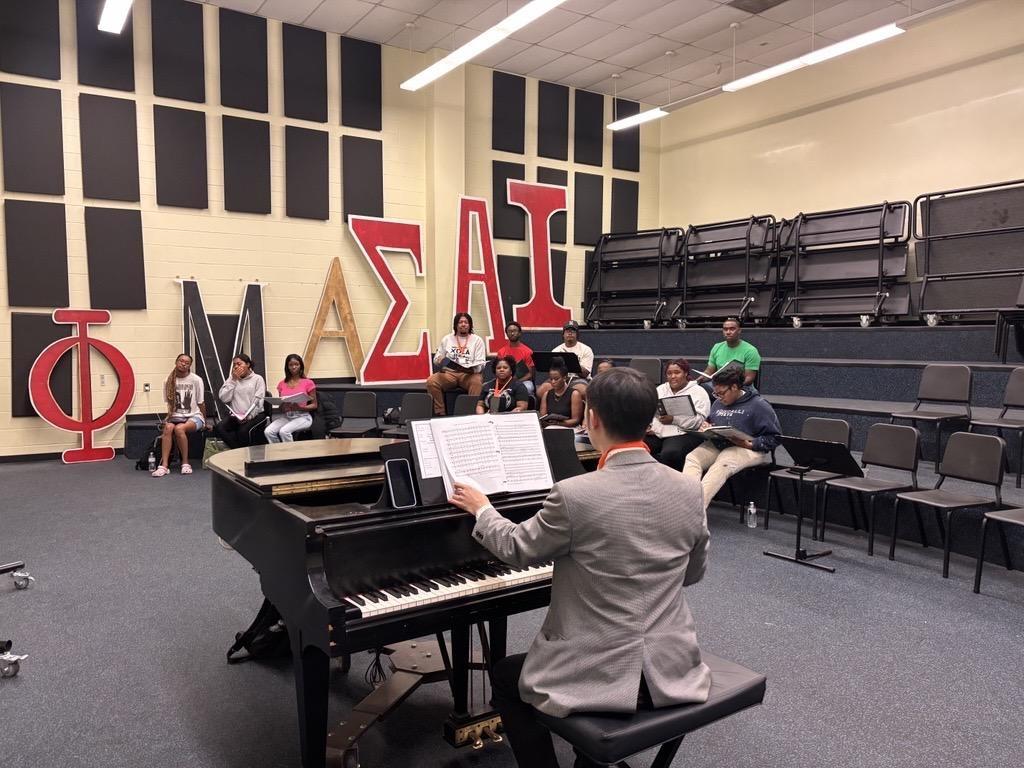
"In this production, there are over 30 voices singing, and over half of them are students," he said. "They're getting to do major roles and major work in this opera while also learning from professionals in the field."
He noted that the experience demonstrates that students belong in elite artistic spaces and should view themselves as future leaders in the arts.
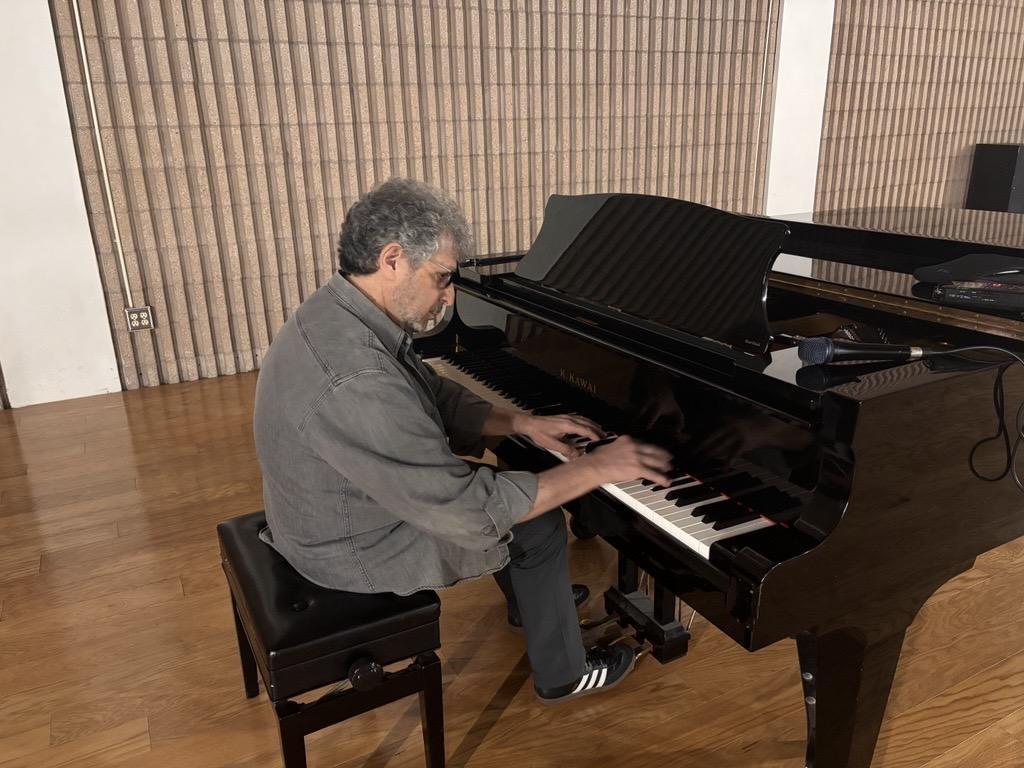
Composer Randy Klein said his connection to Walker’s work began decades ago while composing music for a documentary about author Richard Wright. Later, he encountered Walker’s poetry on a New York subway through the "Poetry in Motion" program. One poem in particular inspired him to begin setting her words to music.
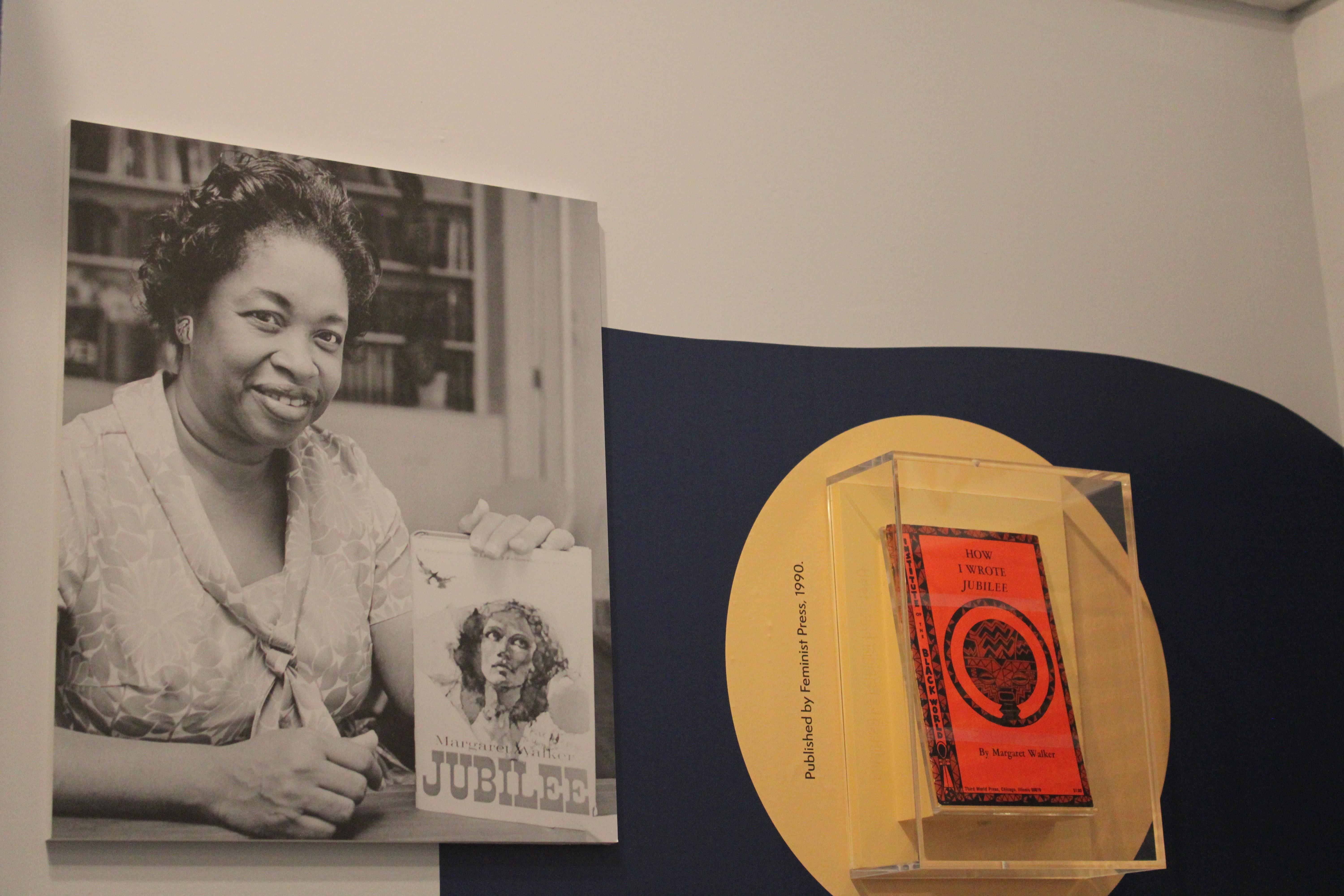
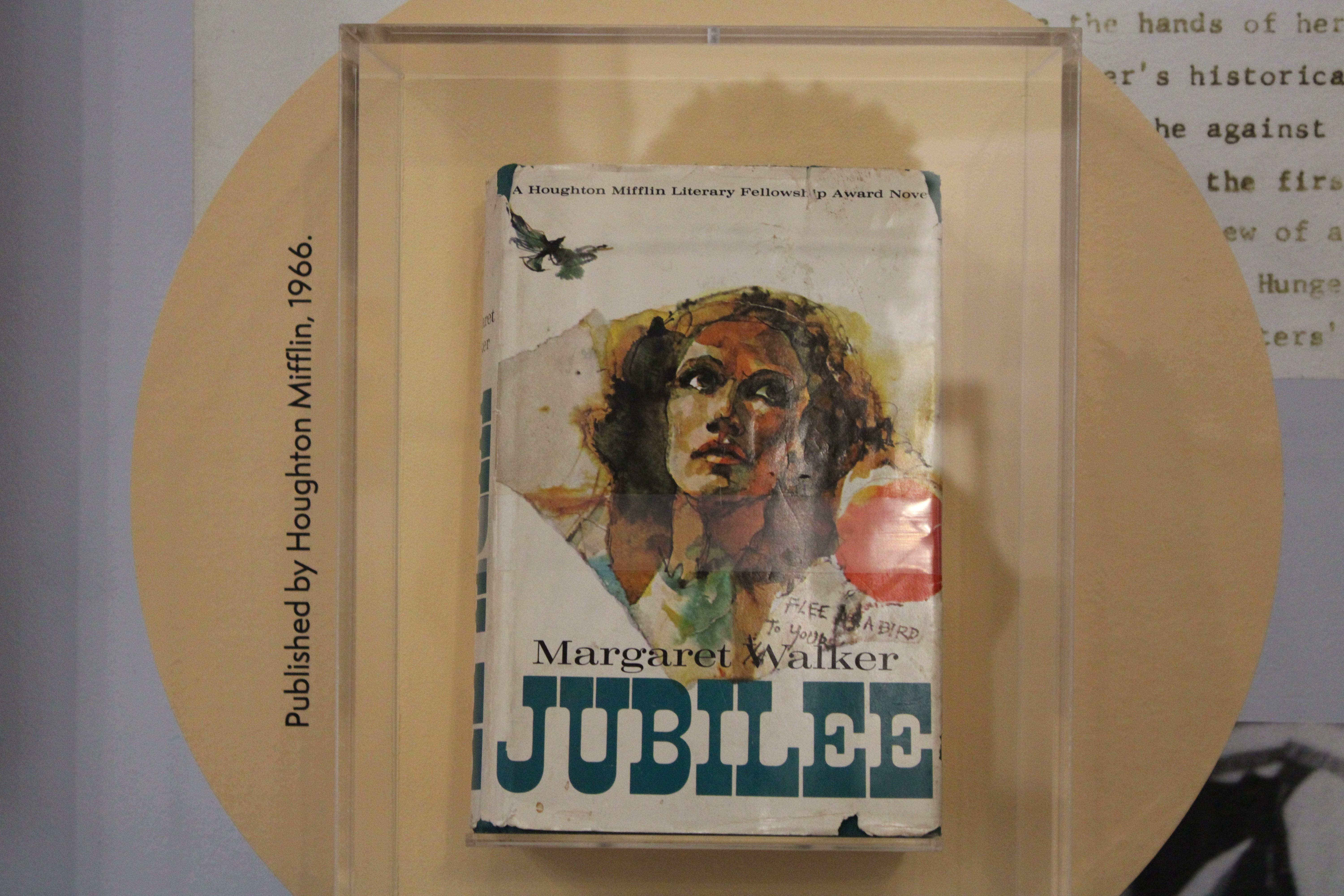
"I wrote the poem down, and that night I wrote music to it," Klein said. Years later, a friend encouraged him to read Jubilee. "I went and bought a copy of Jubilee, and I started to read it. It was a page-turner. I couldn't put it down. At the end of it, I simply said, 'This sings.' I heard it singing, and that's how Jubilee got started."
Klein said the opera focuses on universal themes that continue to resonate. "This piece is talking about freedom," he said. "It's talking about learning. It's talking about the desires that everyone in life has, and these are universal themes."
He believes the work has the potential to grow beyond its concert format and eventually become a fully staged opera performed by companies nationwide. "The story of Jubilee is a story about emancipation," Klein said. "The theme of it is home, family, and freedom. These aren't foreign thoughts. These are very basic human experiences."
For librettist Joan Ross Sorkin, adapting Walker’s novel required distilling a sweeping historical narrative into a format suitable for the stage while remaining faithful to its themes.
"It's a story of freedom. It's an American story," Sorkin said. "It's a story of struggle, and it's also a story about strong Black women."
Rather than adapting the entire novel chronologically, Sorkin chose to begin near the middle of the story, at emancipation, when Vyry must decide how to rebuild her life and secure a future for her children. The opera also incorporates several of Walker’s poems, creating connections between the Civil War era and later struggles for civil rights and equality. Sorkin noted that one of her favorite creative choices was making Walker a character within the opera itself.
"The story is about freedom sought, freedom gained, and freedom yet to come," she said. Audiences will hear both the emotional weight of Walker’s words and the optimism that runs throughout the story. "We've been working on this for over five years, and it's thrilling to see the work come to life," Sorkin added. "The students are very committed to the work, and they have glorious voices."
Many of those students traveled to Yale University in May, where they collaborated with Yale students and faculty. The Yale performance was supported by the university’s ASCEND Initiative, a five-year, $10 million effort launched in 2024 to strengthen partnerships between Yale and historically Black colleges and universities. Through the initiative, students and faculty from both institutions worked alongside professional artists to develop and present Jubilee in New Haven and Jackson, creating opportunities for interdisciplinary engagement between scholars, performers, and educators.
Columbia native Julia Johnson, a Jackson State senior majoring in music education and one of the principal singers, said the opportunity has been transformative.
"It has been really amazing getting to see this program flourish as much as it has," Johnson said. "Getting to experience all these new things and travel to these places has truly been a blessing."
Johnson, who portrays Minna—Walker’s grandmother in the story—said participating in an original opera is a once-in-a-lifetime opportunity. "How many times do you get to say, 'In undergrad, I got to participate in the making of an original opera?'" Johnson said. "It's such an amazing experience to know that I'm part of the foundation that helped make this opera happen."
As a Mississippi native, Johnson said the project carries special significance. "As a Mississippian and as a Jacksonian, it is so amazing getting to hear this story and have others hear the story with her text put to music," she said.
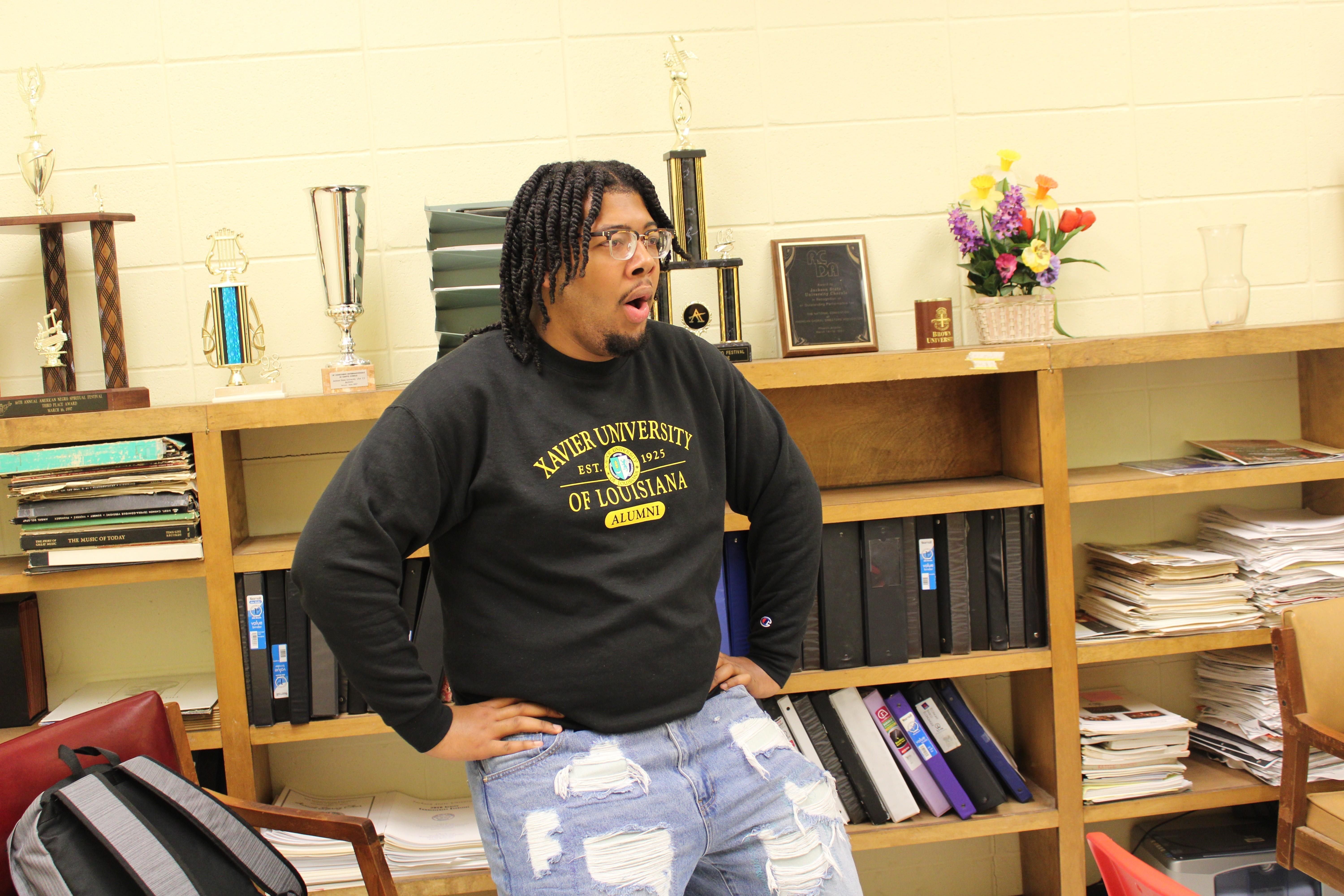
Caris Green, a recent Xavier University of Louisiana graduate who returned for a second year with the program, said participating in the opera feels historic. "This is literally us making history in a way that reaffirms the significance of the arts as a means of empowerment," Green said.
He noted that Walker’s work deserves to reach broader audiences. "Margaret Walker was such an influential African American writer, and her works deserve to be shared with the larger community," he said. "By putting it into music through this opera, it becomes more accessible to a wider audience."
Green also said the Yale collaboration demonstrated the strength of HBCU arts programs. "It meant so much to be representing the work of an HBCU educator while being an HBCU student myself," he said. "I don't believe it would have had the impact it did had HBCU students not been integral to its performance at Yale."
Associate Professor of Music Phyllis Lewis-Hale said the initiative is designed to expose students to opportunities they might not otherwise experience.
"We have to keep broadening their horizons," Lewis-Hale said. "We have to keep letting them see what the world looks like and what the world of music looks like."
She noted that the partnership with Yale helped students understand the realities of professional performance while building confidence. "They realized that no matter where they go, they have the work ethic to get anywhere and do a great job," Lewis-Hale said. "They can compete with anyone and hold their own ground."
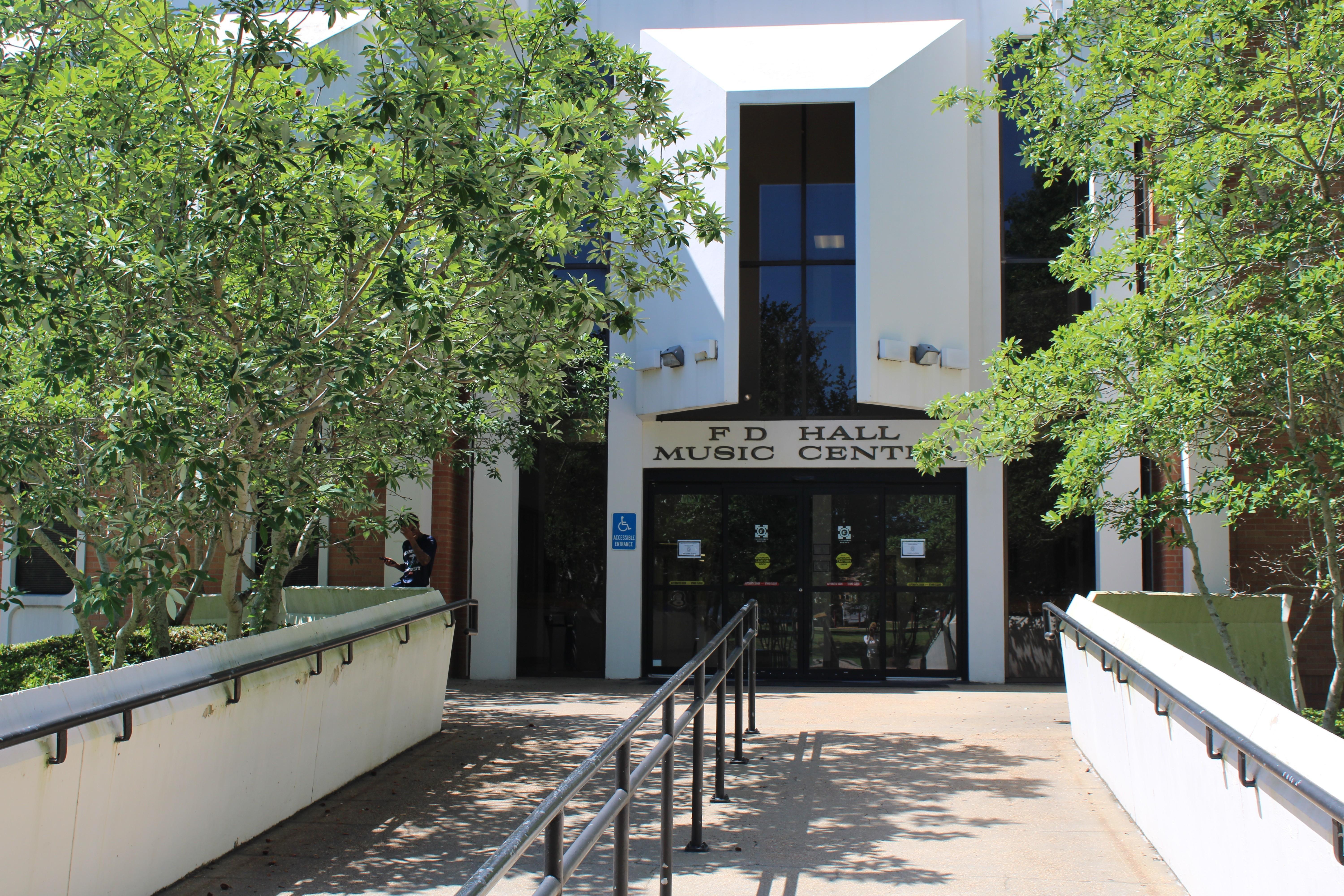
Lewis-Hale also said Jackson State is the ideal place to stage the opera because of Walker's deep connection to the university.
"Margaret Walker taught here for more than 30 years," Lewis-Hale said. "The Jackson State campus is the home and hub of where she began to do all of her foundational work and research."
As audiences prepare to experience the concert production, organizers hope the opera serves not only as entertainment but also as a reminder of Walker's enduring impact on American literature and culture.




.jpg)