Karlos Hill is a Professor at the University of Oklahoma, teaching African and African American Studies. Speaking about the history of Juneteenth, he said “Systemic, racist violence has been an enduring theme of the Black experience. What I think we have to do as a nation is to be honest about that history. Be honest about those legacies and how they show up today.”
Part of that history began taking shape immediately after slavery ended. While some Black Mississippians were able to win seats in the state Legislature, white supremacists soon enacted laws designed to strip power from Black voters.
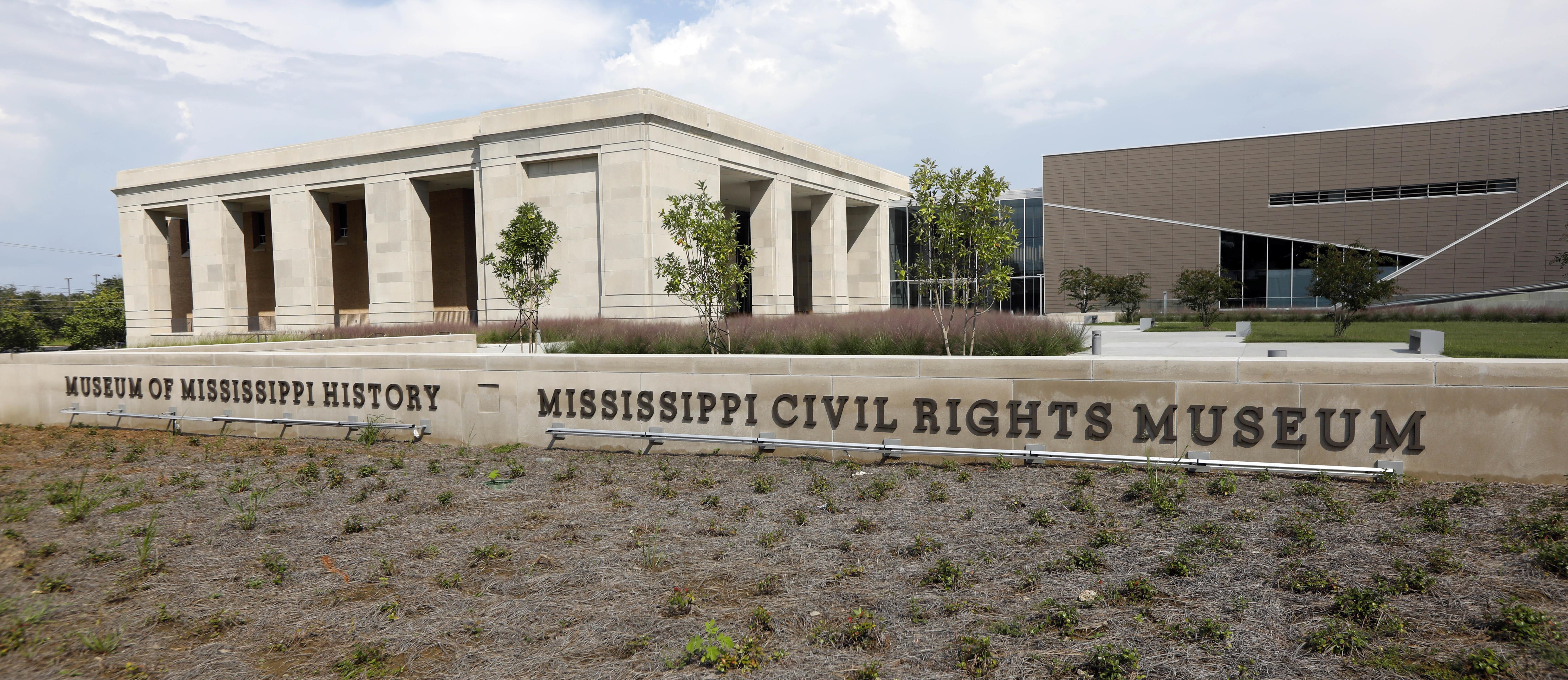
“In Mississippi, as early as October of 1865, they passed what they called the Black Codes,” said Michael Morris, Executive Director of the Two Mississippi Museums in Jackson. “Again, trying to position formerly enslaved Africans back into the same positions that they were before the Civil War.”
Morris said it took another century before Congress passed the Voting Rights Act and adopted the 24th Amendment prohibiting poll taxes. Those advances were won through a nationwide civil rights movement built over decades. Today, he said, Juneteenth serves not only as a remembrance of the end of slavery but as a celebration of freedom itself.
“I’m really grateful to see how folks have just embraced this holiday. To me, Juneteenth is really about how America is still developing in itself and trying to live up to its stated ideas that were presented at the very beginning of this country.”
Juneteenth was designated a federal holiday in 2021 and has grown in prominence since. Hill said its reach continues to expand. “Juneteenth is really connected to certain types of ritualistic remembrance. That hasn’t changed. But I think the audience for it has grown, and the national consciousness around it has grown,” said Hill.
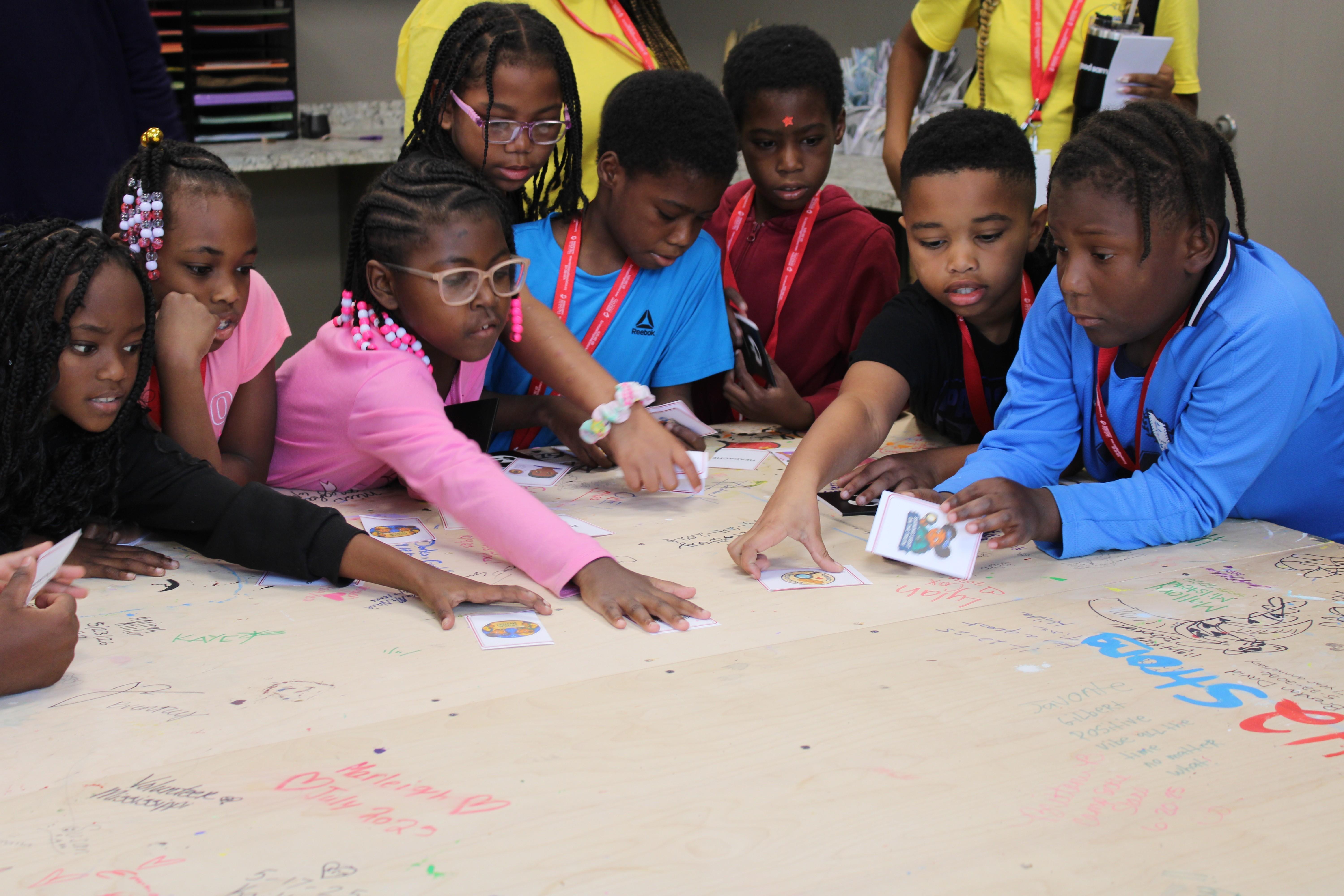
Events are being held throughout the state to celebrate the national holiday. At the Two Mississippi Museums, a Juneteenth Jubilee and free admission are running throughout the weekend, starting Friday, June 19th.