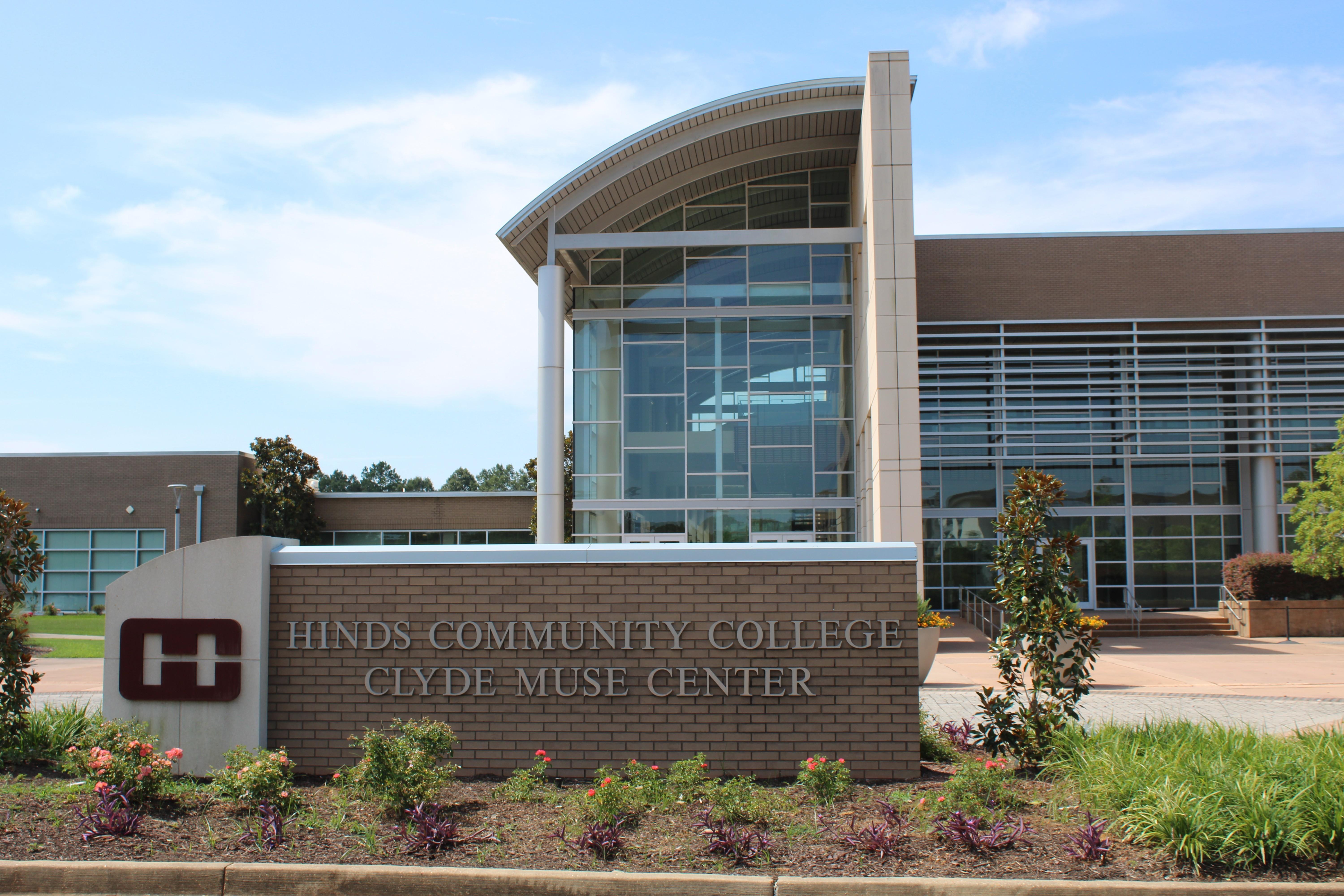
Ginger Robbins, Hinds Community College vice president of workforce development and governmental affairs, said the grant provides a vital lifeline for students unable to commit to four-year degrees.
"This really creates a very clear pathway for students," Robbins said. "We will not be offering programs that are eligible for Workforce Pell that don't provide an opportunity for a student to go directly to work. So it benefits the student and it benefits that employer who's looking for a highly qualified employee."
According to Robbins, the funding applies to both credit and non-credit programs designed to prepare Mississippians for roles with sustainable wages.
"It's an exciting time," she said. "This is yet another opportunity for us to provide services and training — high-value training — to our students as we continue to respond to the needs of the business and industry that we serve."
Robbins noted that these programs are "stackable," enabling graduates to enter the workforce immediately and return later for advanced certifications without losing progress.
Stephen Vacik, president of Hinds Community College, confirmed the school intends to debut the initiative with its electrical lineworker program.
"The key with Workforce Pell is that these are short-term programs," Vacik said. "In the past, Pell Grants have not funded these, and so if you wanted to take this training, you had to pay for it yourself."
Vacik emphasized that the legislation’s focus on lifelong learning ensures students are never at a dead end.
"We're looking at career jobs," Vacik said. "We're looking at ones that pay a really high wage and they are in high demand right now."
These opportunities are expected to curb the "brain drain" by keeping skilled laborers in Mississippi to staff massive infrastructure projects, including new data centers and utility expansions.
"Our vision for the future is to create this competitive economy because we know we've had so many people who have not had those opportunities in Mississippi," Vacik said.
The sentiment is echoed at Northwest Mississippi Community College, where administrators are utilizing the funding to launch programs that previously lacked a federal financial backbone. Northwest President Michael Heindl said the Workforce Pell will accelerate the pipeline from the classroom to the payroll.
"Students would be able to have access to Pell Grant funding for shorter-term, high-demand, high-wage, high-skill programs," Heindl said.
Northwest plans to seek approval for a plumbing program, which college officials say will help meet growing demand across north Mississippi as residential and commercial construction continues to expand.
Northwest plans to seek approval for a new plumbing program to address the construction boom in north Mississippi.
"These are exciting programs, great programs, family-sustainable wage type careers," Heindl said. "It's going to be a game changer for students and our colleges."
In a statement, Gov. Tate Reeves praised the move, noting that by expanding access to employer-driven training, the state is "positioning Mississippi for even greater momentum."
As colleges across the Magnolia State prepare to roll out these programs over the coming year, the Workforce Pell Grant represents a fundamental shift toward an accessible, industry-aligned education model.