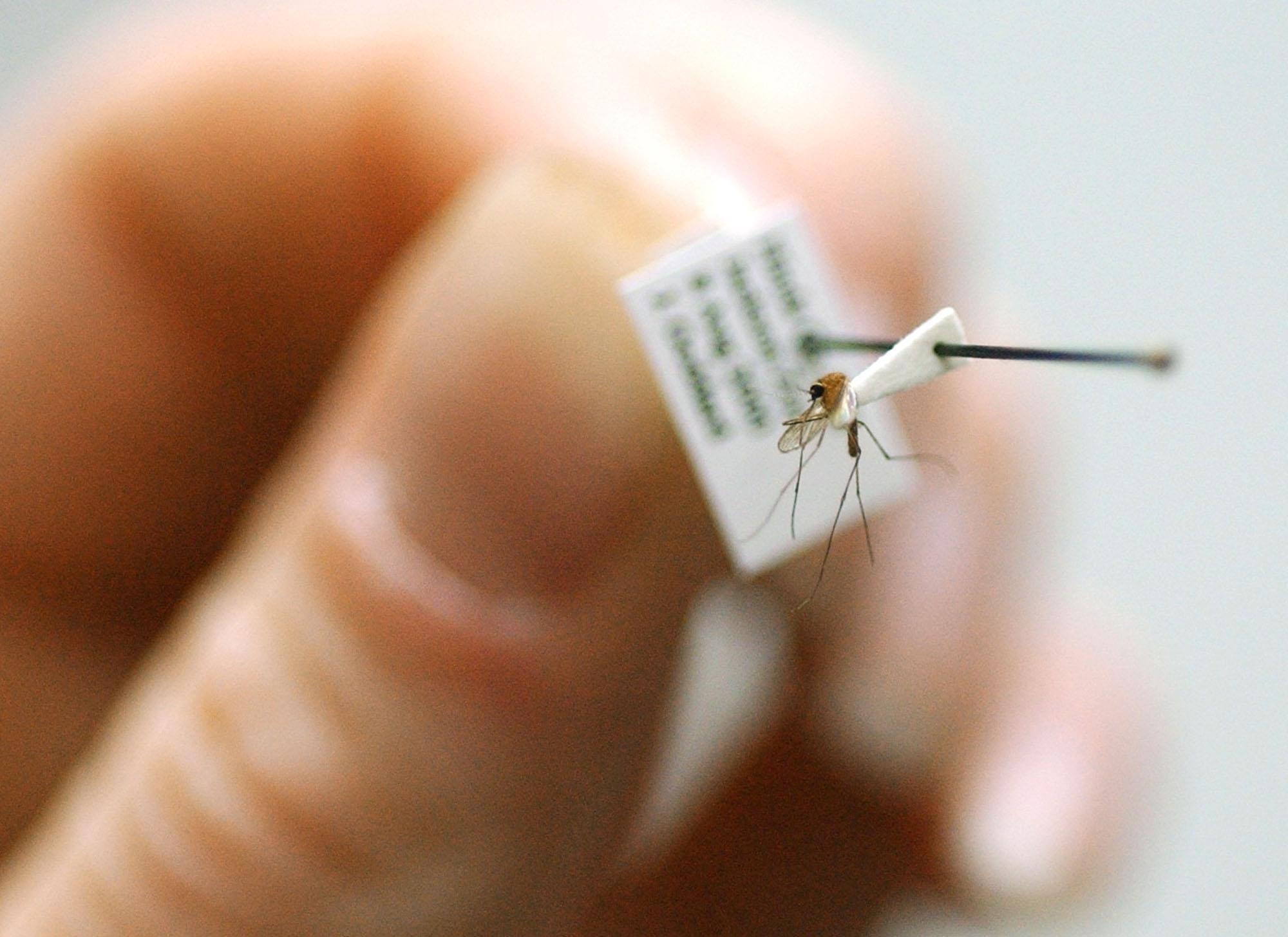
Both pests can carry illnesses that can be fatal if left untreated. Being outside more during the summer simply puts people at a greater risk for tick and mosquito bites, but the summer months are also mosquito breeding season.
"Here it is hot, it is humid, and they love to breed around swampy areas," said Greg Flynn, MSDH director of external affairs. "When I mean swampy, you can actually have those on your own property, if you have areas that don't drain very well and hold water."
Mosquitos can carry West Nile Virus, which includes flu-like symptoms. The state saw 33 human cases of it last year, with five deaths due to complications with the illness. Ticks can carry diseases like Rocky Mountain Spotted Fever, which includes fever, fatigue, chills, rash and other aches and pains.
If traveling, Flynn recommends checking travel advisories for other illnesses that may be present in mosquitoes in other places, such as Zika virus, malaria or yellow fever.
While outside, a good way to avoid bites is to use insect repllent containing DEET and covering up as much as possible. Being outside when the pests are not as active also helps.
"Try to avoid going out early in the morning and being out at dusk because that's when mosquitoes and the ticks seem to be the most active, as it gets a little bit cooler and a little bit shadier outside," said Flynn.
Especially with ticks, avoiding tall grass or brush is a good way to prevent bites for both people and pets. If you're outside, Flynn said, check for ticks every couple of hours to get them off as quickly as possible.
"People may take that for granted because they think...'tick bites are really only on animals,'" said Flynn. "It's critical for you to be able to check your pets when they come inside or before you go to be petting them."
"It's very, very important because people can get very very ill from the tick bites."
Dr. Tracy Jaffe, with Mississippi State University's College of Veterinary Medicine, says pets like cats and dogs are also vulnerable to illnesses from ticks and mosquitos, and preventative measures are just important for animals.
"Just the same way you would put sunblock on yourself before you go out into the sun so you don't get sunburned, you have your dogs and cats on year-round flea and tick preventives," said Jaffe. "That will help decrease the likelihood that the tick wants to spend time on the animal."
And, bugs can present issues that are unique to animals; particularly heartworm, which mosquitoes can transmit.
"There are topical formulations, there are collars that can be used for flea and tick and mosquito repellent," said Jaffe. "It's just really important to use those year round and not forget that mosquitoes can get inside your home."
If a pet gets sick, Jaffe said symptoms may not appear immediately.
"[It takes] a few days to weeks after a tick has fed and passed the pathogen to an animal to have clinical signs," said Jaffe. "You could watch your pet for any signs of not acting like him or herself, lethargy, achy joints, not wanting to eat, wanting to sleep more, not wanting be around the family as much, check for any wounds on the body."
Both Flynn and Jaffe recommend seeking medical attention for either illnesses if symptoms occur.