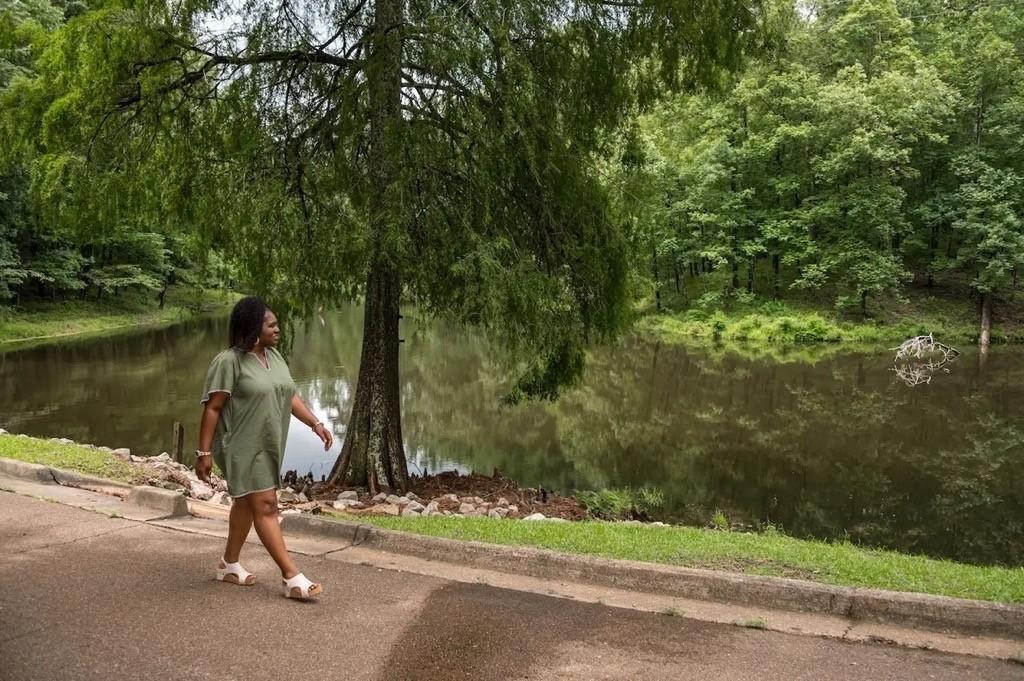
The effort comes as Mississippi continues to rank among the states with the nation's highest adult obesity rates. Health officials say increasing physical activity can reduce the risk of chronic conditions, including Type 2 diabetes, heart disease and high blood pressure.
"We thought if we can just get people more active and get them up and moving, it could lead to healthier lifestyles, fewer chronic diseases and better overall well-being," said Angus Catchot, director of the Mississippi State University Extension Service.
Magnolia Moves began as a pilot program before expanding statewide this spring. More than 1,800 participants joined the inaugural challenge, and Extension leaders expect participation to continue growing when the next six-week challenge begins in October.
The program uses the MoveSpring app to automatically track activity through smartphones and fitness devices, but organizers say participants who prefer not to use technology can still log their activity through local Extension offices.
Amy Young, a Mississippi State University Extension family health and wellness agent serving Winston and Choctaw counties, said the program was created to make physical activity more accessible regardless of a person's fitness level.
"The initiative was simply to get people moving more," Young said. "That movement may be walking, gardening, playing with your children or working around the house. The important thing is making movement part of your everyday life."
Young said every one of Mississippi's 82 counties participated during the spring challenge. Local Extension agents partnered with businesses, community organizations and county leaders to recruit participants and keep them motivated through friendly competition and weekly prizes.
She said the app also allows users to connect with friends and compare progress, creating accountability that encourages participants to stay active.
"Every step counts," Young said. "If you're discouraged, compare yourself to where you were yesterday instead of comparing yourself to someone else. Small improvements become big changes over time."
The program's emphasis on movement aligns with recommendations from the Mississippi State Department of Health, where officials say obesity and diabetes continue to place a significant burden on families and the state's health care system.
Margarett Davis, a clinical nurse with the Mississippi Delta Health Collaborative and the department's diabetes program, said obesity contributes to many chronic diseases that are largely preventable through healthier lifestyles.
"We know we have an obesity crisis here in Mississippi," Davis said. "With diabetes, the body isn't able to use insulin the way it's supposed to. Physical activity, healthy eating and lifestyle changes all play an important role in helping prevent or manage Type 2 diabetes."
Davis said many Mississippians face barriers to healthy living, including food deserts, transportation challenges and limited access to fresh foods, particularly in rural communities.
Felicia Kent, director of the Office of Adult Health, said improving Mississippi's health will require collaboration among public agencies, businesses, churches and local organizations.
"When you think about more than 40 percent of Mississippians living with obesity, that's not just a health issue — it's a state issue," Kent said. "We have to make healthy resources available and accessible, and we have to help people understand that the body was made to move."
For many participants, the challenge has already produced measurable health improvements.
Brenda Goodin of Noxapater said she joined Magnolia Moves after beginning her own wellness journey more than a year ago. While she already had a goal of becoming healthier, she said the challenge's community support helped her stay consistent.
"For me, it was the camaraderie," Goodin said. "Everybody encouraged each other on those days when you didn’t feel like getting out and walking."
She credits regular movement with lowering inflammation while improving her blood pressure, cholesterol and A1C levels.
"My doctor has been well pleased with my results," she said.
Rhonda Shotts of Winston County said working a desk job made it easy to overlook how little movement she was getting each day.
She said Magnolia Moves gave her the accountability she needed to stay committed.
"It motivated me to do a little more every day," Shotts said. "I've lost weight, and I'm excited to see what my next doctor's visit shows."
Even after the spring challenge ended, Schatz said she has continued exercising and plans to participate again this fall.
Health officials hope stories like Goodin's and Shotts’ will inspire more Mississippians to join the October challenge.
Catchot said the goal has never been to create elite athletes or pressure people into unrealistic fitness goals. Instead, organizers hope participants simply become more active than they were the day before.
"We don't want people to burn out," Catchot said. "We want them to build habits they can continue long after the challenge ends."
Registration for the next Magnolia Moves challenge is expected to open ahead of the October start date through the Mississippi State University Extension Service. Officials say whether participants choose to walk around their neighborhood, work in the garden, dance, or play with their grandchildren, every step brings them closer to better health.