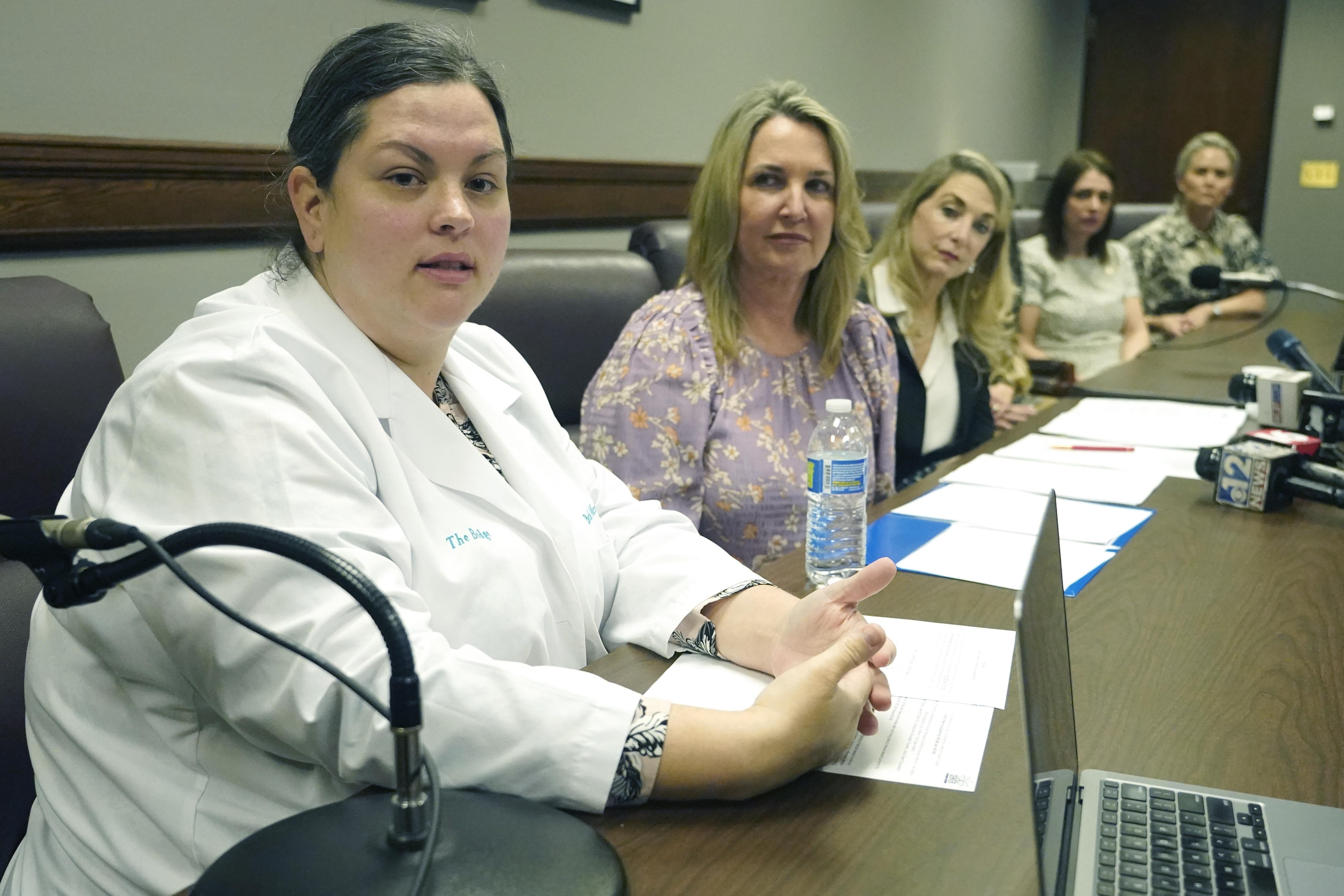
At a Wednesday hearing of the Mississippi Senate’s Public Health Committee, Dr. Phyllis Johnson, executive director of the Mississippi Board of Nursing, told lawmakers that the state’s nursing workforce is aging fast and not growing fast enough to keep up with demand.
“We currently have approximately 78,000 nurses licensed in the state of Mississippi… but when you look at our workforce by generation, almost 48 percent of our nurses are millennials who are approaching retirement age.”
Health officials say an aging nursing workforce will have ripple effects across the health system as more nurses leave the field and fewer enter it, a trend that predates the pandemic but has accelerated in recent years.
Data collected by Mississippi nursing and hospital groups show that nursing vacancies and turnover rates have grown significantly over the past decade. Reports from 2021 found that Registered Nurse vacancy rates and turnover rates in hospitals were already high
A recent legislative board update found that Mississippi saw about 1,500 nursing vacancies in 2023, with turnover rates exceeding 20%, and even higher in some regions.
Nationally, projections from the U.S. Department of Health and Human Services estimate that shortages of registered nurses could persist through at least the next decade, with continued supply challenges and ongoing openings even if overall numbers improve.
The shortage is already affecting how, and whether, Mississippians receive basic health services, especially in rural areas.
During the committee hearing, Heather McMillan, a home-health nurse, described how nurses act as essential points of contact for patients who might otherwise go without care.
“Many of my patients are homebound, living miles from hospitals or clinics with limited transportation and limited income,” McMillan said. “For them, home care nursing is not just a convenience, it's a lifeline.”
Lawmakers also heard that the nursing shortage is not evenly spread across the health system. Johnson told the committee that only about 8 percent of Mississippi’s nursing workforce works in maternal-child health, and just 1.3 percent specializes in women’s health, leaving some of the state’s most critical areas of care especially thinly staffed.
Maternal and infant mortality rates in the state rank among the highest in the U.S., particularly for Black women.
More than half of Mississippi’s 82 counties are considered maternity-care deserts, meaning they have no obstetric providers or birthing hospitals. Nearly a quarter of Mississippi women live more than 30 minutes from a birthing hospital.
Highlighting potential solutions, several speakers pointed to nursing education pathways that emphasize retention and rural placement. One example cited by lawmakers was the nursing program at Mississippi University for Women, which reports high retention rates and a majority of graduates working in the state’s underserved communities.
Lawmakers said the hearing’s testimony will feed into upcoming debates on health-care funding, workforce incentives and how to better link education programs with the communities that need nurses most.