Federal officials say counterfeit pills remain one of the greatest dangers because users often have no idea they contain fentanyl.
John Scott, special agent in charge of the DEA's New Orleans Field Division, said many overdose victims believed they were purchasing medications such as Percocet, Xanax, or Adderall.
"All it takes is one pill and it can kill," Scott said. "If you weren't prescribed a drug by a doctor and it wasn't filled by a pharmacist, you have no business putting that in your mouth."
While enforcement remains a cornerstone of the DEA's strategy, Scott said education has become equally important.
"We're not going to arrest our way out of this problem," he said. "It takes parents, schools, churches and communities all working together."
For James Moore, of Hattiesburg, that community response also means making overdose reversal medication as common as fire extinguishers or automated external defibrillators.
Moore lost his son, Jeffrey, to a heroin and fentanyl overdose in 2015. Since then, the co-owner of Moore's Bicycle Shop has become one of the state's most recognizable advocates for harm reduction, distributing hundreds of free naloxone kits through grants from the Mississippi State Department of Health.
He believes addiction should be treated first as a health issue.
"This is not a criminal issue," Moore said. "This is a health care issue."
Moore regularly teaches residents how to recognize an overdose and administer naloxone. He encourages families with someone in recovery to keep the medication in purses, glove compartments and medicine cabinets.
"I've handed out hundreds of doses of no-cost naloxone," he said. "People come back and tell me they successfully used it. Those doses have resulted in lives being saved."
Expanding access to naloxone has become one of the central goals for advocates across the state.
The Mississippi Public Health Institute has installed free naloxone vending machines in several communities, including Jackson, Hattiesburg and along the Mississippi Gulf Coast. The machines dispense overdose reversal kits at no cost, allowing residents to obtain the medication any time of day without speaking to a pharmacist.
Moore said usage data from the Hattiesburg machine suggests many people are accessing naloxone during overnight emergencies.
"So many of the dispensing that takes place ... happens at one, two or three o'clock in the morning," he said. "Hopefully that is resulting in some lives being saved."
He believes naloxone should become as commonplace as automated external defibrillators found in schools, churches and government buildings.
"The next time you see an AED hanging on the wall," Moore said, "think, 'Why is there not an overdose response kit sitting on top of it?'"
State health officials say naloxone is safe to administer and recommend that anyone at risk of witnessing an opioid overdose keep it readily available. The medication temporarily reverses the effects of opioids, buying valuable time until emergency responders arrive.
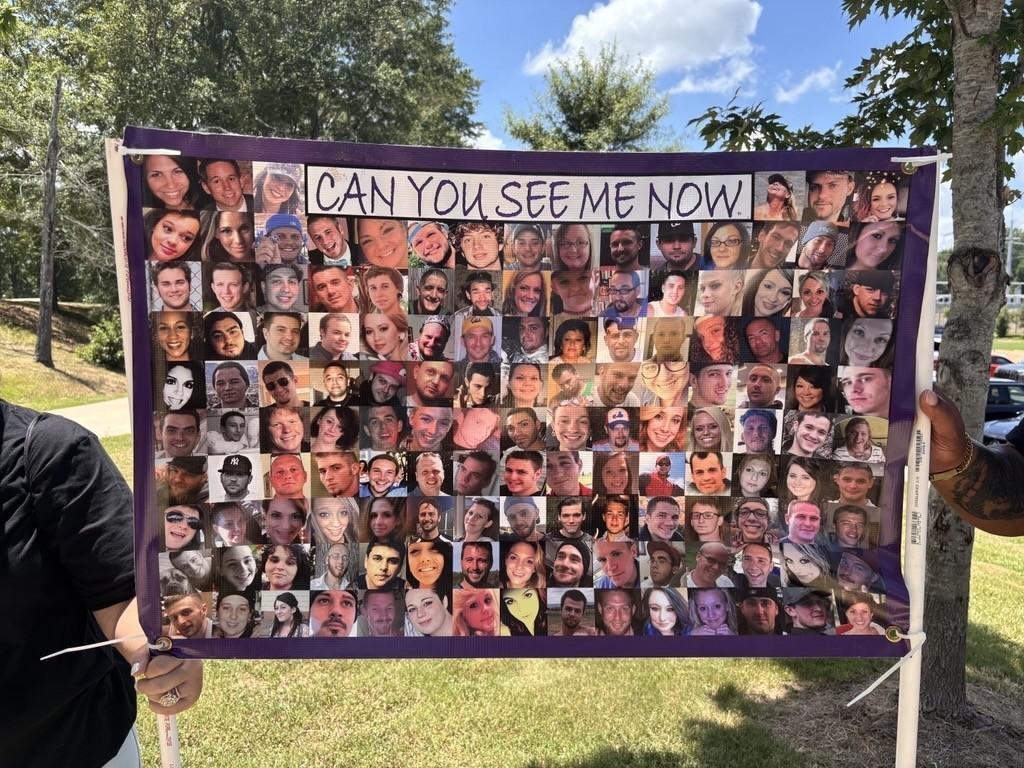
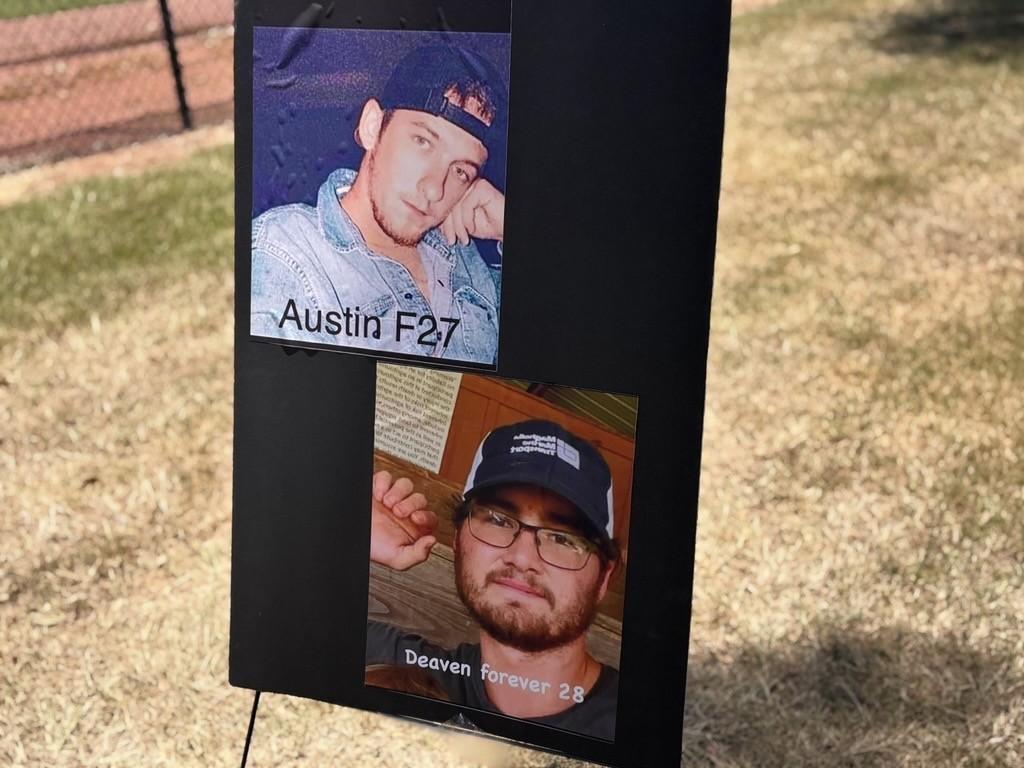
For Gallagher, Rodenbaugh and Moore, every life saved represents hope that another family might be spared the grief they now carry.
Gallagher said awareness remains the strongest tool communities have.
"What the enemy meant for evil, the Lord can use for good," he said. "It's inspiring to see families gather the strength to support events like this so nothing like this could happen to another family."