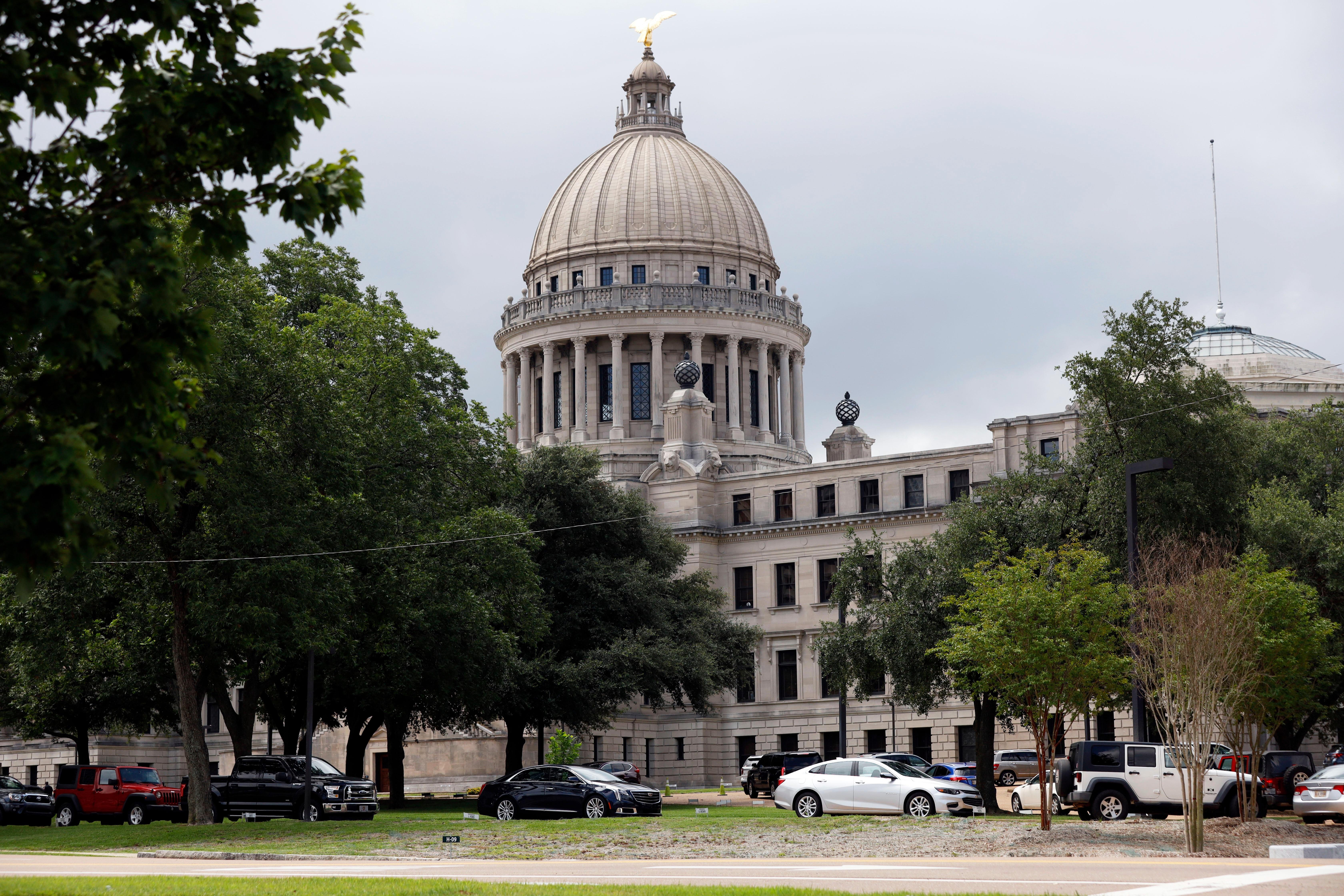
At a Senate Appropriations hearing this week, agency leaders described a pattern of aging systems, lengthy procurements and multi-year buildouts that lawmakers say are slowing modernization across state government.
The hearing comes as lawmakers debate broader cybersecurity reforms following recent ransomware incidents, including last week’s attack on the University of Mississippi Medical Center. But Wednesday’s focus was less about hacking and more about how long it takes the state to upgrade its own infrastructure.
At Child Protection Services, Commissioner Andrea Sanders told lawmakers the agency is still operating on software that predates smartphones.
“Our case management system, which carries every child’s story, the state’s operating in a 25-year-old system right now,” Sanders said.
That system tracks placements, services and payments for children in state custody. CPS began procuring a replacement in 2021. It is now projected to go live around Memorial Day, nearly four years later.
Sanders said the delays stem in part from the complexity of the buildout and in part from aggressive bidding practices by vendors.
“Based on common knowledge of Mississippi’s procurement practices for technology, they strategically entered the lowest bid and the shortest timeline,” Sanders told lawmakers.
The original bid for the CPS system projected an 18-month build. Sanders said that timeline was unrealistic from the start.
CPS is not alone.Medicaid officials told lawmakers their current management information system took nearly a decade to go from the initial request for proposals to implementation.
Jacob Black, who oversees enterprise systems at Medicaid, said long buildouts can limit how long taxpayers benefit from upgrades.
“That can only be a 10-year contract with the fiscal agent, and when it takes five years to implement, the state makes a significant investment in a system and in operations that it does not get to utilize very long,” Black said.
Major technology contracts can also stall for months or more than a year during vendor protests. At the Department of Human Services, Executive Director Bob Anderson said a protest delayed a project by a full year and cost roughly $4.5 million in additional expenses before being withdrawn.
“When the procuring agency can’t be heard during a protest, that’s a problem,” Anderson said.
Lawmakers questioned whether Mississippi’s emphasis on lowest price is slowing modernization and increasing long-term risk.
Craig Orgeron, executive director of the Mississippi Department of Information Technology Services, told lawmakers the agency is now pushing procurement reforms and enterprise-level contracts aimed at speeding up upgrades and getting state agencies working off more shared systems.
“I think the days of us and them need to be over, right? I think they just need to be over,” Orgeron said.
He said better coordination and shared systems could shave years off major projects and potentially save millions of dollars.