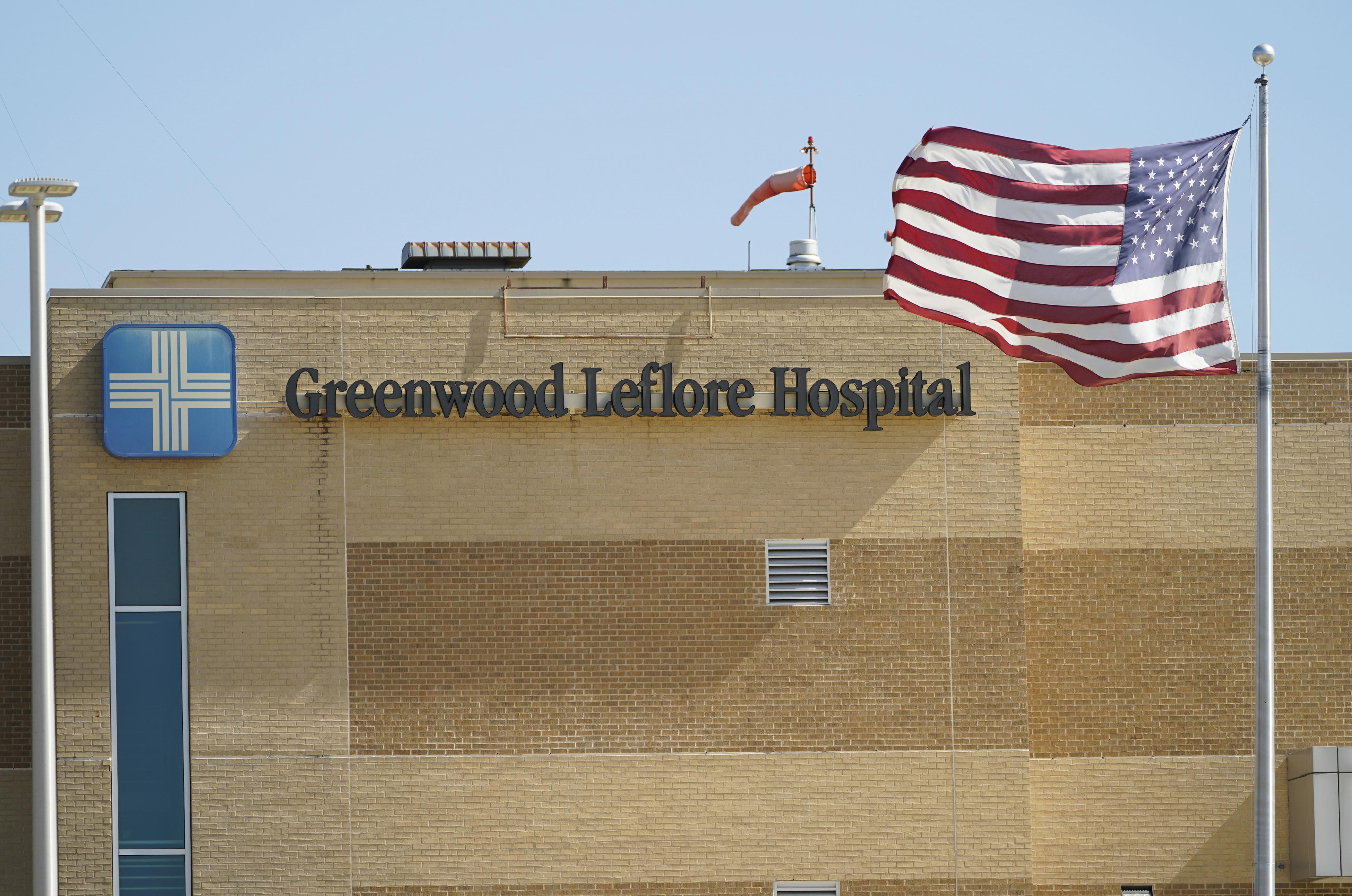
The first year of the Rural Health Transformation Program includes nearly $206 million in federal funding. Program officials said Monday the first grants will focus on three areas: rural health infrastructure, provider technology and telehealth access.
The rollout comes as some lawmakers have raised concerns about transparency and how the money will be awarded. During a webinar Monday, Mary Helen Abel, program manager for BDO Government Services, said the state is trying to make the process fair and need-based.
“We have intentionally designed this to be as objective as we possibly can and to make sure that these funds are going to the places where it's going to do the most good for the people living in rural Mississippi,” Abel said.
The first grant programs are tied to three out of five broader state initiatives tied to the RHTP. One will support capital and infrastructure investments that strengthen rural health care capacity. Another will support technology and cybersecurity modernization for rural providers. A third will support telehealth hubs, connectivity and training.
Leah Smith, general counsel and vice president for policy and advocacy at the Mississippi Hospital Association, said those funding categories line up with some of the needs rural hospitals have been describing.
“A lot of the challenges that rural hospitals face are things like investing in their facilities,” Smith said. “So, those are all things that could really help rural hospitals move ahead as we see funding cut in other areas.”
Smith said telehealth funding could also help rural patients see specialists without leaving their communities. She said many hospitals have also been unable to afford much-needed electronic health record system upgrades.
But the grants come with limits. Program officials said rural capital grant funds cannot be used for new construction or major building expansion. The telehealth program also excludes broadband infrastructure, provider payments and replacement funding.
Smith said the RHTP will still be important for rural hospitals, but the funds will not offset broader financial pressure hospitals expect under federal budget cuts passed in 2025.
“Hospitals took the brunt of the funding cuts from the One Big Beautiful bill, and we don't expect for this Rural Health Transformation Fund to fill that gap,” Smith said.
Another concern is how the money will be paid out. Program officials said the grants will generally be reimbursement-based, with limited exceptions considered case by case. That means providers may have to spend money before they are paid back.
Smith said that could be difficult for small rural hospitals.
“It is very, very difficult for a small rural hospital to come up with the cash flow to bankroll a piece of major medical equipment or a renovation or extending a service line,” Smith said. “If they had that kind of cash available, they would be doing those things already and they don't.”
Smith said some hospitals may need to seek lines of credit while preparing grant applications.
The application window closes July 15. State officials said applications will be reviewed in late July, with awards expected in August.