About $508 million of that will be used to get services for over 93,000 homes in the state, using an additional $321 million in private funding. That roll out will be done through the Office of Broadband Expansion and Accessibility of Mississippi (BEAM).
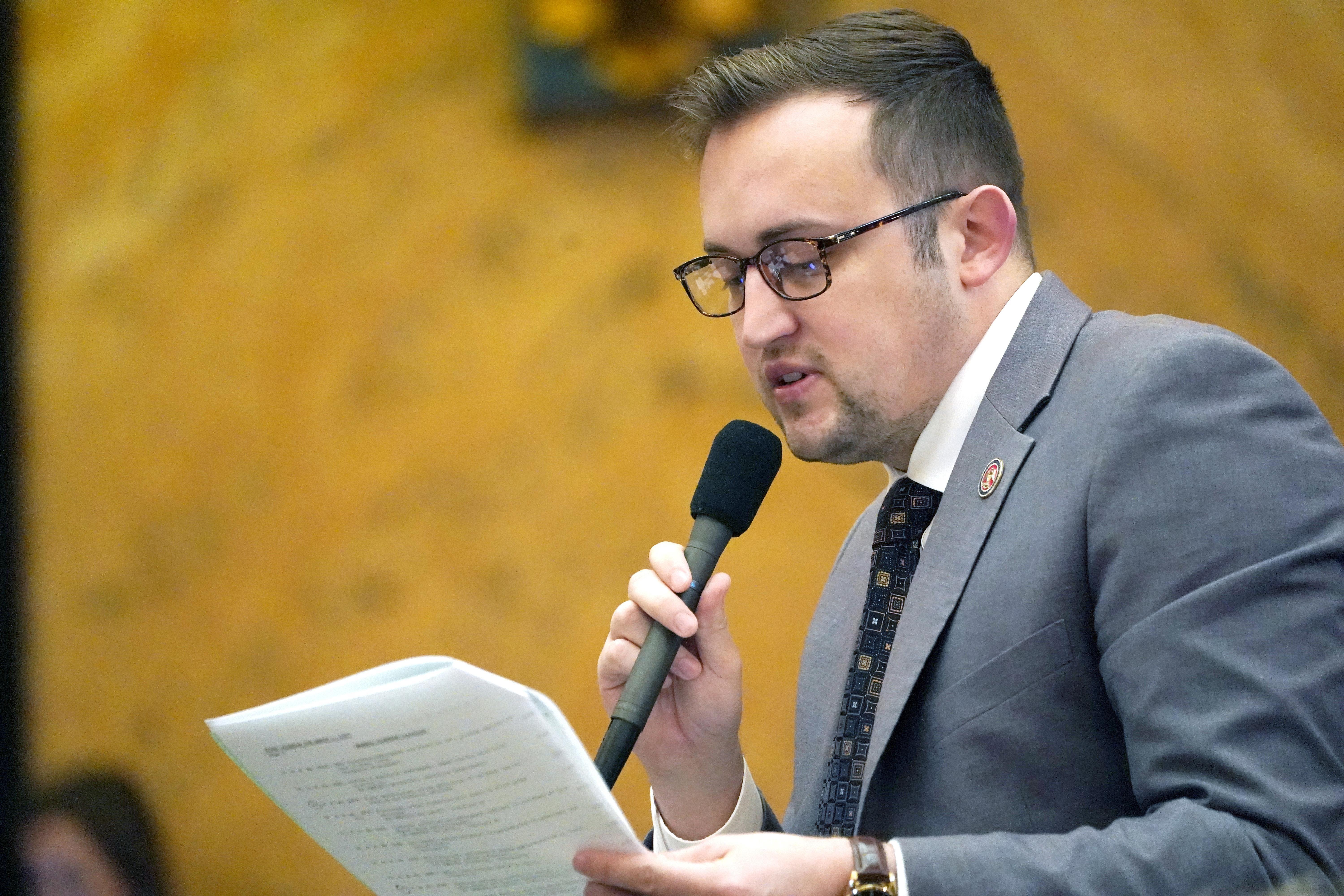
BEAM deputy director Kyle Brown said their efforts will cover the whole state, but concentrate on central and southwest Mississippi.
"The entire BEAD process has taken almost close to three years to finally get to this point," Brown said. "One of the first things that we have to remind people of is that just because this has been approved doesn't mean that money can start flowing tomorrow."
The remain money from that $1.2 billion is up in the air for now. Brown said they recently had a public input session to see how folks would like those dollars spent.
The deadline to submit public comments is Feb. 18 and another public engagement listening session is being held over Zoom that same day.
"A lot of topics that have come up in relationship to that are things [like] NG 9-1-1," Brown said. "MSWIN, Middle Mile Fiber: having reserve in case one of these projects doesn't actually get complete and making sure that there's money to make we don't leave anyone behind."
NG 9-1-1, or Next Generation 9-1-1, is an Internet-based emergency response system — likewise, MSWIN is a public safety communications system.
The majority of expansions will be done through fiber connections, with just over 13,000 planned through low-earth orbit satellite connections.
Advocates have cited concerns about effectivenes and affordability of satellite connections in expanding to rural areas, where fiber may have a better connection and be cheaper in the long term.
Brown argued that some locations aren't ideal for fiber installation.
"It's very cost prohibitive to build a wired connection to a person's home that's two and a half miles off of a street that lives in a rural setting where low-Earth orbit satellites can meet their needs," he said. "It's cheaper and more cost-effective to go ahead and provide them, you know, a LEO satellite receiver versus waiting years for somebody to actually build fiber to their house."
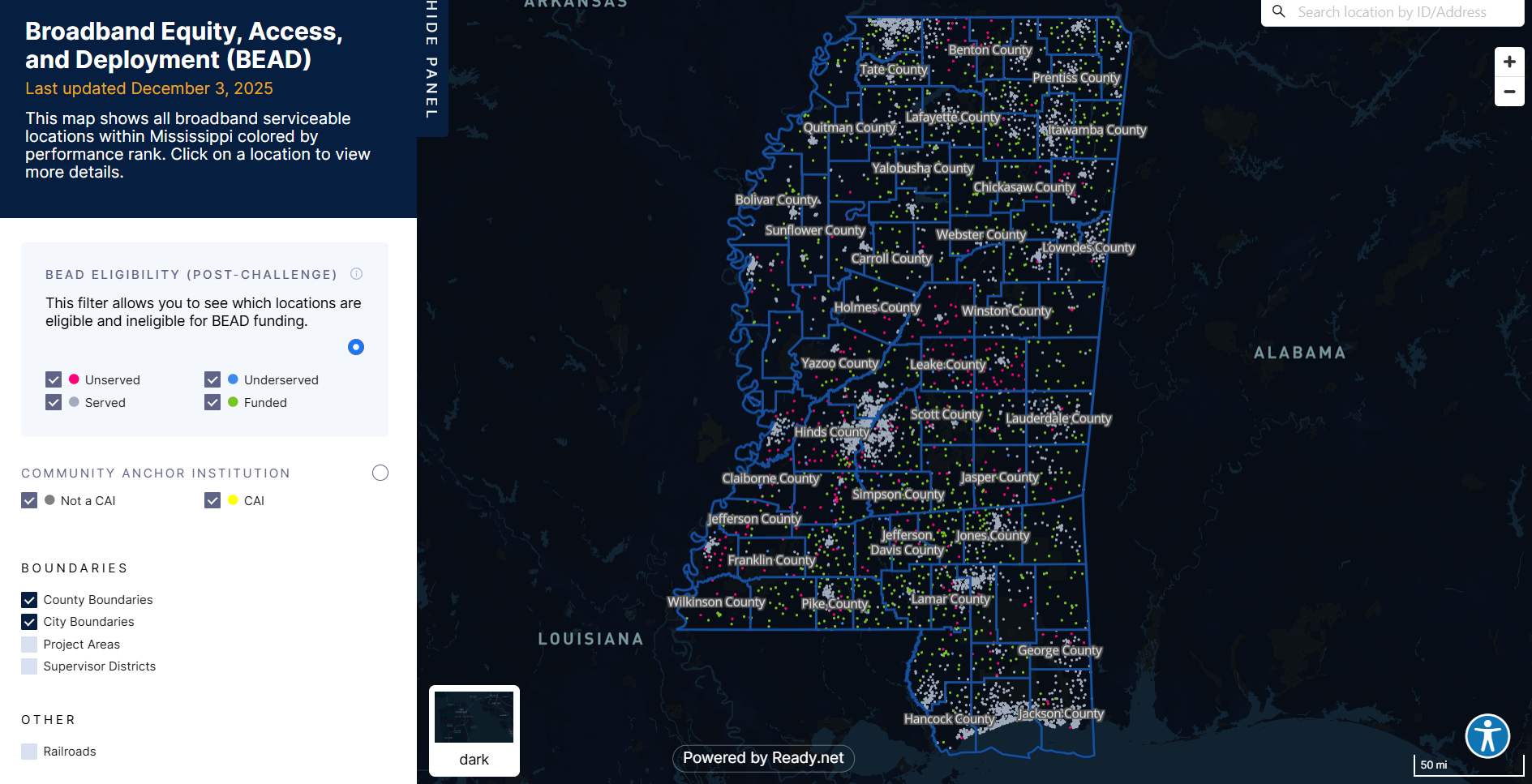
Brown added that folks can use BEAM's maps to see where BEAM projects are and what areas are unserved or underserved. Many of those are in Mississippi's rural areas — like Lawrence county.
Their county librarian, Kendra Smith, says folks who need the Internet for essentials like school or work often have to travel to the library for that.
"We had a guy that would come in and use the library, about every day," she said. "He had some kind of business that he was working and he would come in and use our Wi-Fi."
At the Ricks Memorial Library in Yazoo City, library association director Craig Wooten said improvements to their Internet has been a huge help for them and the community.
"It's always been, since I've been here, decently fast," Wooten said. "When it got bumped up, it's definitely made a huge difference."
Like in Lawrence County, Wooten said Internet services, as well as other technology services from the library, are often crucial for everyday needs.
"You definitely have to have folks doing exactly that," he said. "If they need to come in and take a test for school, they do that, if they need to do a Zoom call with their employer or just business meetings and stuff, then it's utilized for that."
Broadband expansion, Smith said, could make all the difference for those communities.
"Some places it takes 15 to 20 minutes or so to get to town to get Internet or anything else," Smith said. "So it definitely will help them out there."