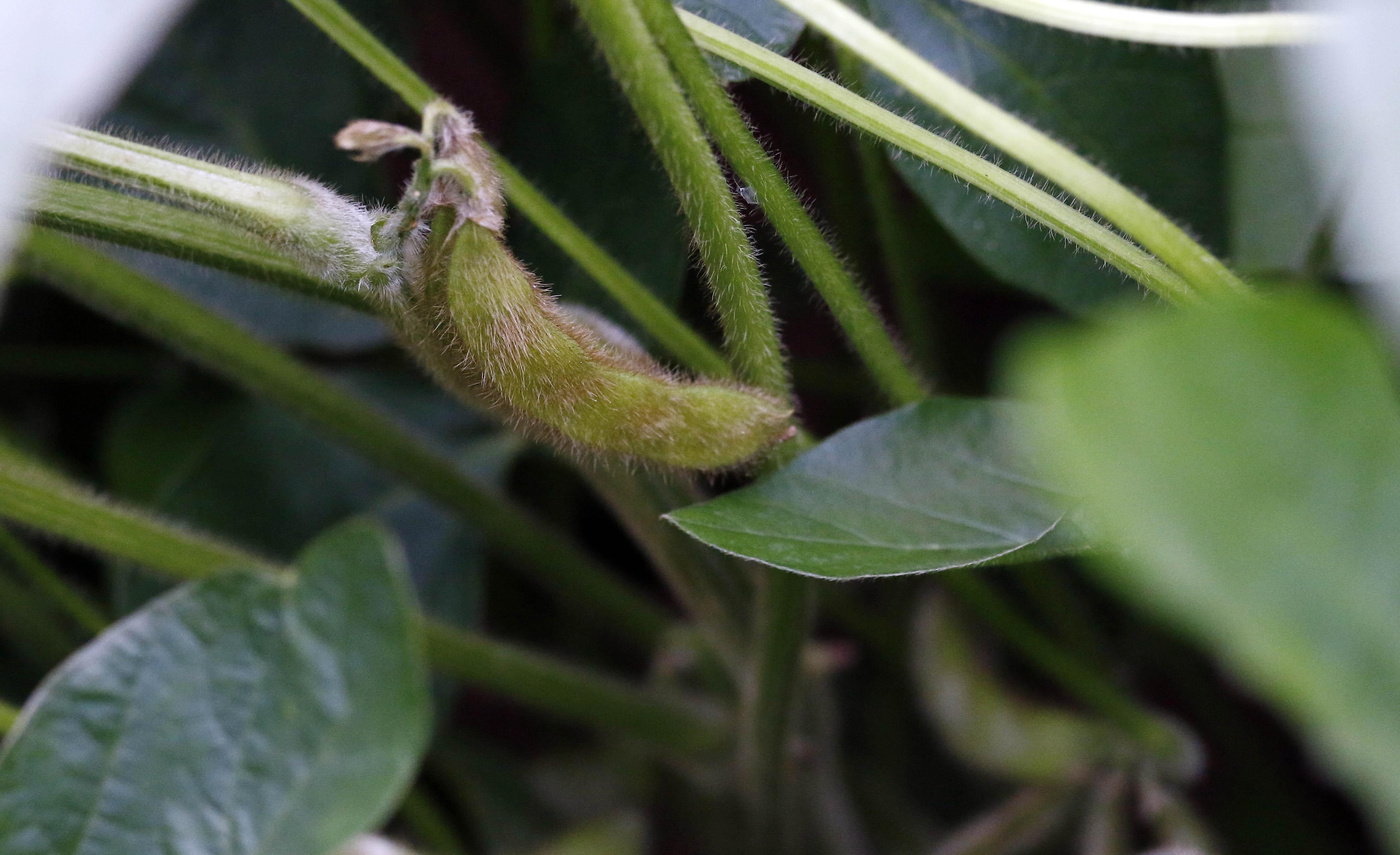
Last year, when farmers across the country and Mississippi faced tighter margins caused by the Trump administration’s broad tariff policy, many pulled back acreage for bean crops because of the trade wars born from the situation. Mississippi exports most of its soybeans to China, which is also a major competitor in the trade war.
“That has definitely had a negative impact on the soybean market,” said Maples. “Producers have been struggling with prices and because our exports to China had been down 80-something percent on soybeans due to the kind of the tariff and trade war.”
While Maples expects farmers in the state to plant more soybeans this year to balance out last year’s high corn output, input costs haven’t helped either. The costs of certain materials after the pandemic skyrocketed, including machinery. Maples said while those prices leveled out, tariffs caused the cost of steel, aluminum and chemicals used in farming to rise steeply. The war in Iran has complicated the costs of various products.
“The Middle East right now with how it's spiked diesel fuel prices, I mean, as we get into planning, producers that haven't booked diesel or anything, they're definitely facing higher diesel prices,” said Maples.
Even fertilizer components not from the Middle East are rising in price because of the conflict. That includes nitrogen exported especially from Trinidad and Tobago, which could have concerning impacts on the corn sector.
Maples hopes the Supreme Court’s recent ruling striking down the majority of the Trump administration's tariffs policy may have brought some relief.
“Kind of pulling back some of that power, at least we have a little bit better idea of when we might expect tariffs and so forth going forward,” he said.
The federal government has stepped in to help farmers with disaster assistance programs as well as assistance outlined in the “Big Beautiful Bill,” which would kick in this fall. In the meantime, NPR reports the administration has pledged $12 billion in bridge assistance to help farmers get through the current season.
According to reporting from the Gulf States Newsroom, the Trump administration’s dismantling of USDA programs aimed at helping “socially disadvantaged Black farmers” has meant fewer minority farmers have access to credit programs that helped them get through difficult periods.
While smaller farmers of all backgrounds have let go of some land, Maples said other producers have come in to take their place.
“The bigger farmers are kind of weathering this storm better than the small ones are as we typically see in these types of hard economic times but haven't really heard of anybody just quitting yet but we have heard of quite a few retirements,” said Maples.