There have been 140 reported cases of pertussis, or whooping cough, in Mississippi in 2025.
The vaccine preventable disease has now been added to the state department of health’s weekly respiratory illness report.



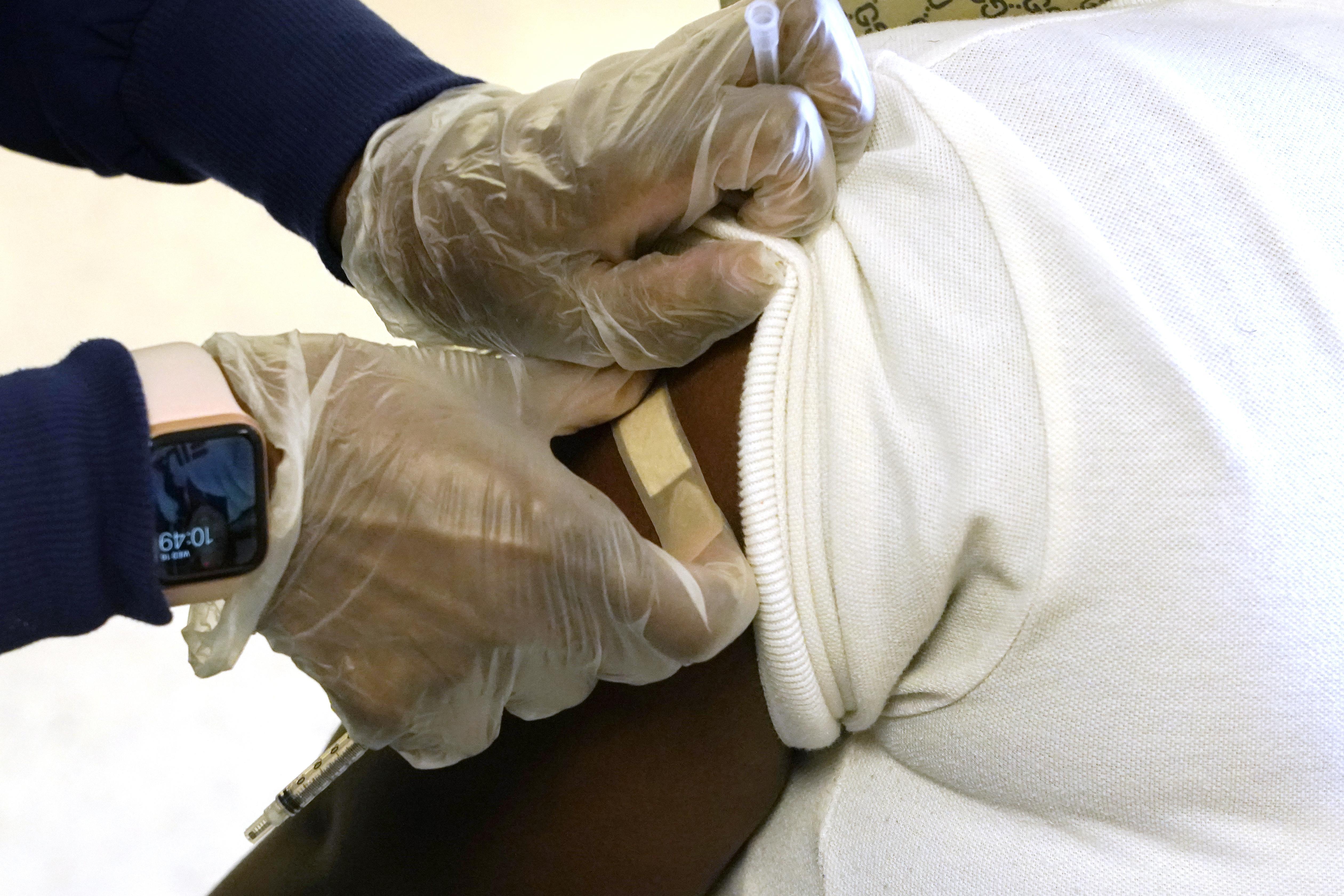
There have been 140 reported cases of pertussis, or whooping cough, in Mississippi in 2025.
The vaccine preventable disease has now been added to the state department of health’s weekly respiratory illness report.

Shamira Muhammad
Pertussis reaches 16-year high in Mississippi
“While we always monitor for pertussis, we added that to the respiratory report for this flu season,” said Theresa Kittle, the deputy state epidemiologist for the Mississippi Department of Health. “We started seeing an increase in pertussis' cases, especially this year. We thought it was important to highlight that and bring awareness to it, because it is a vaccine-preventable disease.”
The infection can cause a severe cough in babies and children that is often accompanied by a characteristic “whooping sound." Babies can have an especially hard time breathing. A Mississippi infant died from the disease in September.
Kittle says pertussis can be spread even with mild symptoms.
“In the first few weeks of being infected, it's runny nose, stuffy nose, a low-grade fever, just an occasional cough,” said Kittle. “You may not even know you have it.”
However, an infected person can spread bacteria through the air after coughing or sneezing that can go on to infect in the upper respiratory systems of other people. Babies under two months of age are not eligible for the DTap vaccine.
Emergency room, urgent care and wastewater data also shows a sharp uptick in Respiratory Syncytial Virus-like (RSV) illnesses. The virus infects the respiratory tract and can be especially dangerous for infants and children.
“The number of cases that we're seeing were primarily in children,” said Kittle. “That was in the zero to four age range. There is an RSV vaccine, so we do recommend those eligible again to be vaccinated against it.”
Although Mississippi has not reported any pediatric flu deaths, three children have died from the disease in the U.S. this season. Last year, 288 children died from influenza in the country. The Centers for Disease Control and Prevention recommends that children six months of age and older receive the flu vaccine.
“It's not too late to get a flu vaccine, so we do encourage those that are eligible to get their flu vaccine,” said Kittle. “Other ways that you can keep yourself healthy and safe, your child, anybody is, practicing good respiratory etiquette and hand hygiene. Not covering your sneezes and coughs with your hands, but rather covering it with a tissue. Or if you don't have a tissue available, sneezing or coughing into your elbow.”
Kittle urges anyone running a fever, coughing or feeling unwell to stay home.