More than 83 cases of Multisystem Inflammatory Syndrome in Children, also known as MIS-C, have been identified in Mississippi. Of those cases, 80 have been hospitalized at Children’s of Mississippi in Jackson. Dr. Charlotte Hobbs is a Professor of Pediatric Infectious Disease and Microbiology at the University of Mississippi Medical Center. Symptoms of MIS-C are similar to that of a sinus infection and can include fever and disruption of bodily functions, but Dr. Hobbs says symptoms can vary between children.
She says the illness is an aftereffect of the coronavirus in some children, and cases are rising.
“Most of the time, children who actually develop Multisystem Inflammatory Syndrome in Children, are not children who necessarily have predominate symptoms with the initial Sars-COV-2 infection,” says Dr. Hobbs. “In fact, commonly their initial infections are asymptomatic or mild.”
Five children have died from MIS-C in Mississippi, and a growing number of cases have been identified in recent months. Pediatricians say cases began to rise following the relaxation of mask mandates in schools. Dr. Hobbs says this has led to the continued spread of COVID-19 and MIS-C simultaneously, which has not happened before.
“Because usually you see acute SARS-COV-2 first, and then you see this post-infectious hyperinflammatory syndrome of MIS-C. But right now we’re seeing both at the Medical Center. And it just happens to be timed a few weeks after the relaxation of mask mandates, which makes sense in terms of what we know scientifically about acute SARS-COV-2 infection.”
Dr. Hobbs says there are ways to treat children with MIS-C, however, she says the illness can often require intensive care.
“And these children do become very, very fulminantly ill. And if you do not recognize MIS-C early, then children can potentially have very severe morbidity and mortality," says Dr. Hobbs. "However, our experience over the last year and a half has allowed us to validate regiments that help these children get better.”
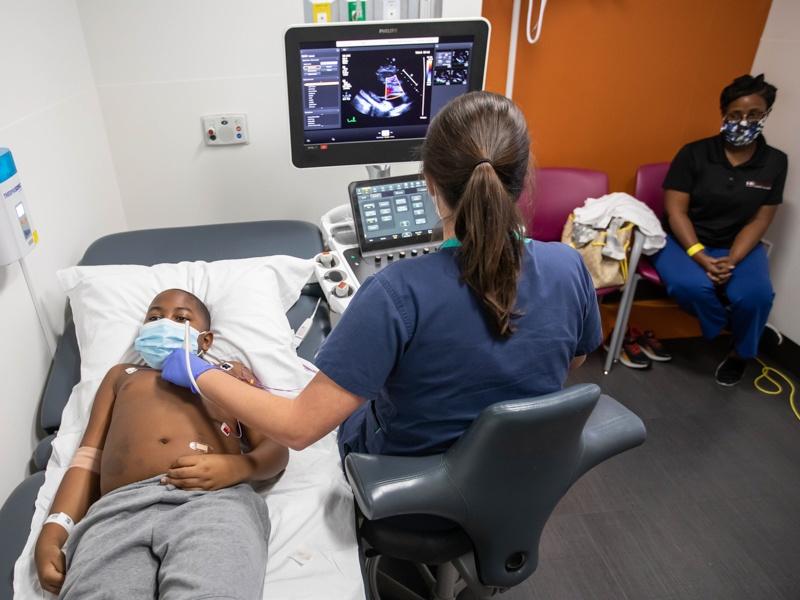
Multiple teams at the University of Mississippi Medical Center and Children's of Mississippi are caring for MIS-C patients through a MIS-C Clinic.
Dr. Hobbs says “We as infectious disease physicians take care of these children, but we need our colleagues in cardiology, rheumatology, sometimes even neurology, and certainly hematology to help us manage these cases because they’re very very complex. It does require a multidisciplinary specialty approach.”