“We were really immersed in the community and people in town knew who we were,” she said. “We would be walking down the street and people would honk and wave and everyone wanted to film with us. We had to say no a lot because there wasn't enough time in the day.”
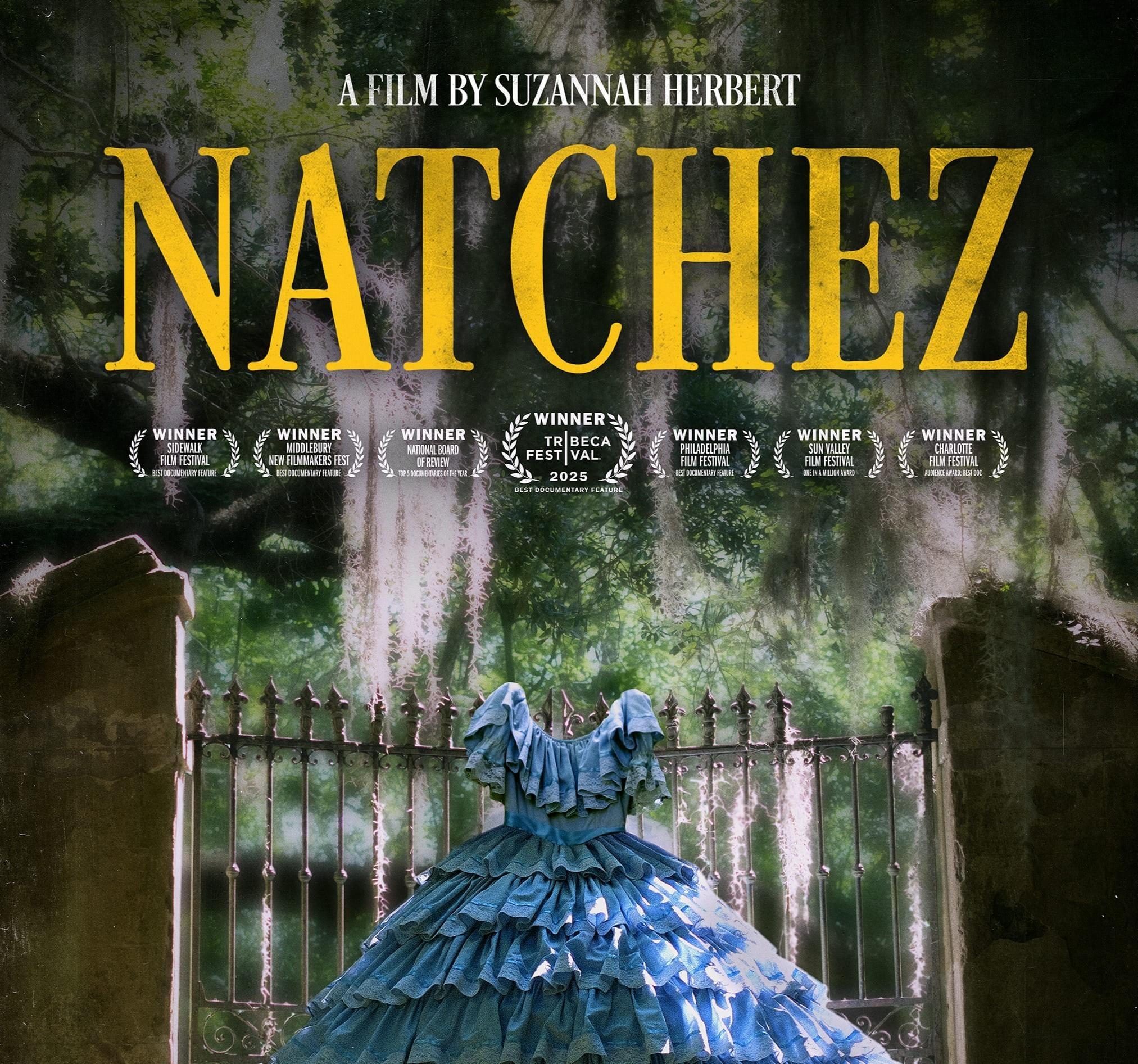
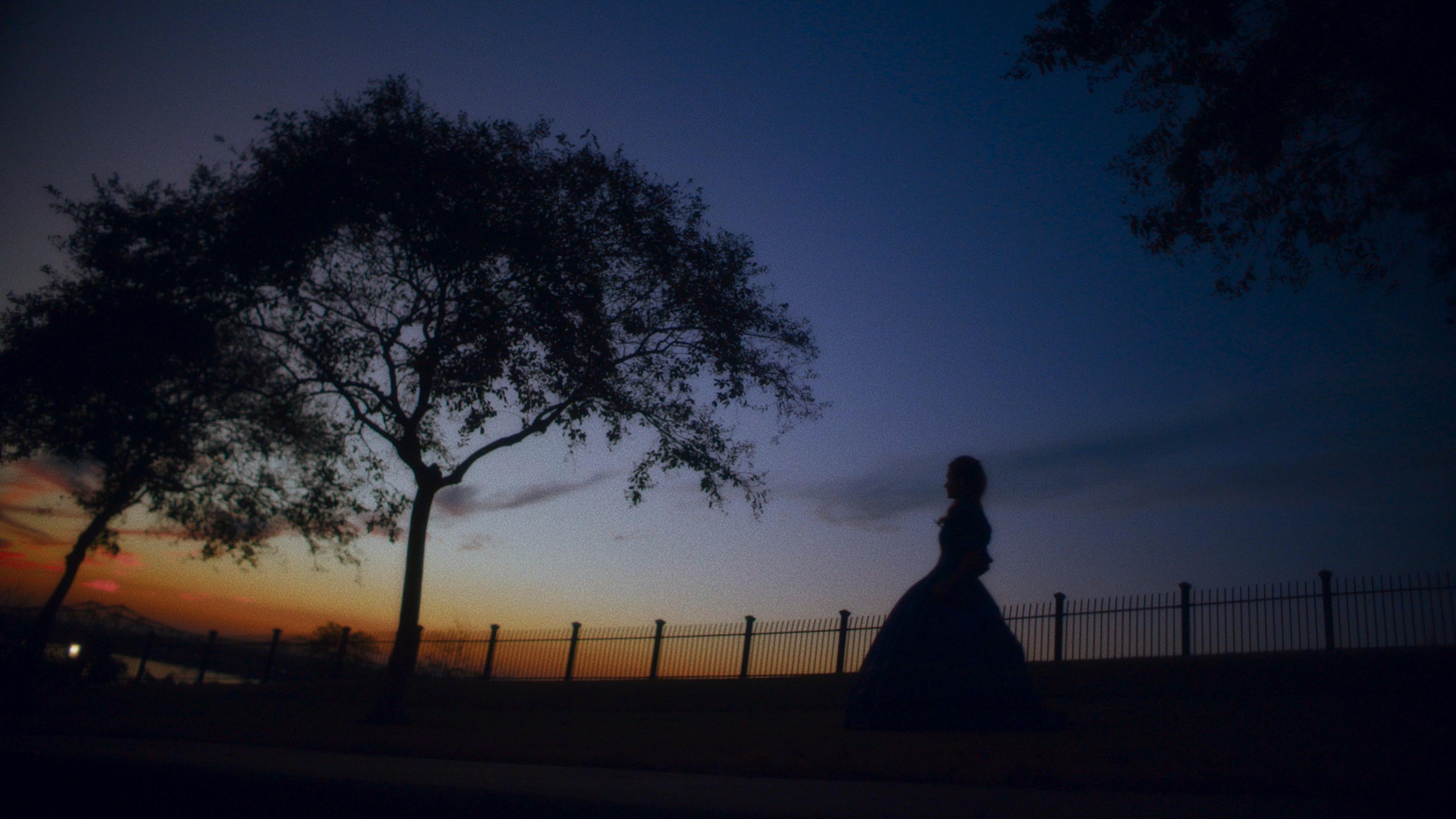
The film explores tours that take place within the antebellum mansions of Natchez, and how complicated history is told.
“I first got interested in antebellum history and how we remember the past when I was invited to a wedding on a plantation,” said Herbert. “It really got me thinking about how White people use sites of extreme trauma for their own enjoyment and profit and entertainment. I really wanted to understand that, but also interrogate it.”
Characters are often left to battle against the traditional retellings that feel comfortable and a history that some believe offers more perspective and nuance.
“We really wanted the film to kind of feel like “Gone with the Wind” meets “White Lotus” meets “Night of the Living Dead” with a little bit of “Get Out” in there,” said Herbert. “Because Natchez is selling this romanticized version of the past. And it has been doing that for the past hundred years.”
Herbert shared that the film has produced a range of emotions considering current conversations around race in the country.
“It's complicated. I mean, I think that some days I feel extremely proud and empowered and other days, it's really disconcerting and upsetting about what's happening in the country in terms of the erasure or the attempts to erase the full comprehensive honest history,” she said. “Feeling like, I hope that our film is standing up against that. But I don't know if it is. So, yeah, it's a mix of everything. And I think that's what art does.”
The Tribeca Film Festival awarded the ‘Natchez’ best documentary feature last year. The film has been screening on film festival circuits across the country, but producer McKinnon said bringing it back to the South holds a lot of value for the filmmakers.
“I really enjoy screening the film in the South because people have some connection to the topics of the film and are interested in seeing and having conversations about it in a more kind of robust way many times than other places in the country where the film's screened,” she said. “We feel like audiences get the subtleties and the nuances of the films on just like the next level. It's really fun to watch the film in a theater.”
McKinnon is from Tampa, Florida and is now based in New Orleans.
“I think this is what Natchez covers is the swimming pool that we're all swimming in as southerners,” she said. “The kind of conversations about history and identity that find their way into our daily politics and interpersonal reactions and relationships and community building. I think that is really important to me as a producer to work with filmmakers who can connect with that in an honest way and not to have people kind of come in and parachute in and tell our stories.”
“I also think that my positionality as a Southern white woman was really part of the way people trusted me,” said Herbert. “I think people saw themselves in me and I think that people felt comfortable. I approached everyone with openness and curiosity and I was trying to understand everyone's point of view and everyone's perspective. I just did a lot of listening honestly with the camera and without the camera.”
A lot of colorful characters from a range of backgrounds weave in and out of the film, who the filmmakers said are still accessible in the town.
“Folks who go to see the film, you'll recognize them on the streets of Natchez if you go to Natchez as a tourist,” said McKinnon.
Screening Dates:
April 11 at 7 p.m.at the Strand Theatre, Vicksburg
April 12 at 2 p.m.at the Two Mississippi Museums, Jackson
April 14 at 5:30 p.m.at the MUW Fant Library, Columbus
April 20 at 5:30 p.m.at The Apothecary, Holly Springs
May 28 at 6 p.m.at the Palace Theater, McComb
May 29 at 6 p.m.at the Delta Arts Alliance, Cleveland