Last April, Mississippi's Department of Human Services paused new applications for its Child Care Payment Program and restricted funding for existing services. Those dollars were cut when the federal government ended temporary COVID-era relief funding.
While families can still apply for state vouchers, much of that is a waiting game. The new report from the Mississippi Low-Income Child Care Initiative found that of childcare providers they surveyed, 86% report serving parents who are eligible for CCPP, but couldn't get approval for funding.
"The situation has only worsened since we conducted our survey last summer, ballooning the waiting list for CCPP from zero before April of 2025 to now about 20,000: and growing," said the initiative's executive director, Carol Burnett, during a press conference.
As that number has steadily climbed since last April, so have the number of families pulling their kids out of childcare altogether.
"Of that number of children who lost CCPP, 75% of those kids exited care and disenrolled from the child care center," said the initiative's research director Matt Williams .
That puts a sizable dent in overall childcare enrollment.
"We found at the time that there was already a 17.5% reduction in enrollment as a result of the loss of CCPP," said Williams.
They also found that many children who stayed could because some centers provided free care or other payment options. About 44% of respondents to the initiative's survey said they provided free care for children.
But, that puts extra strain on those providers, who are already contending with CCPP losses on their end.
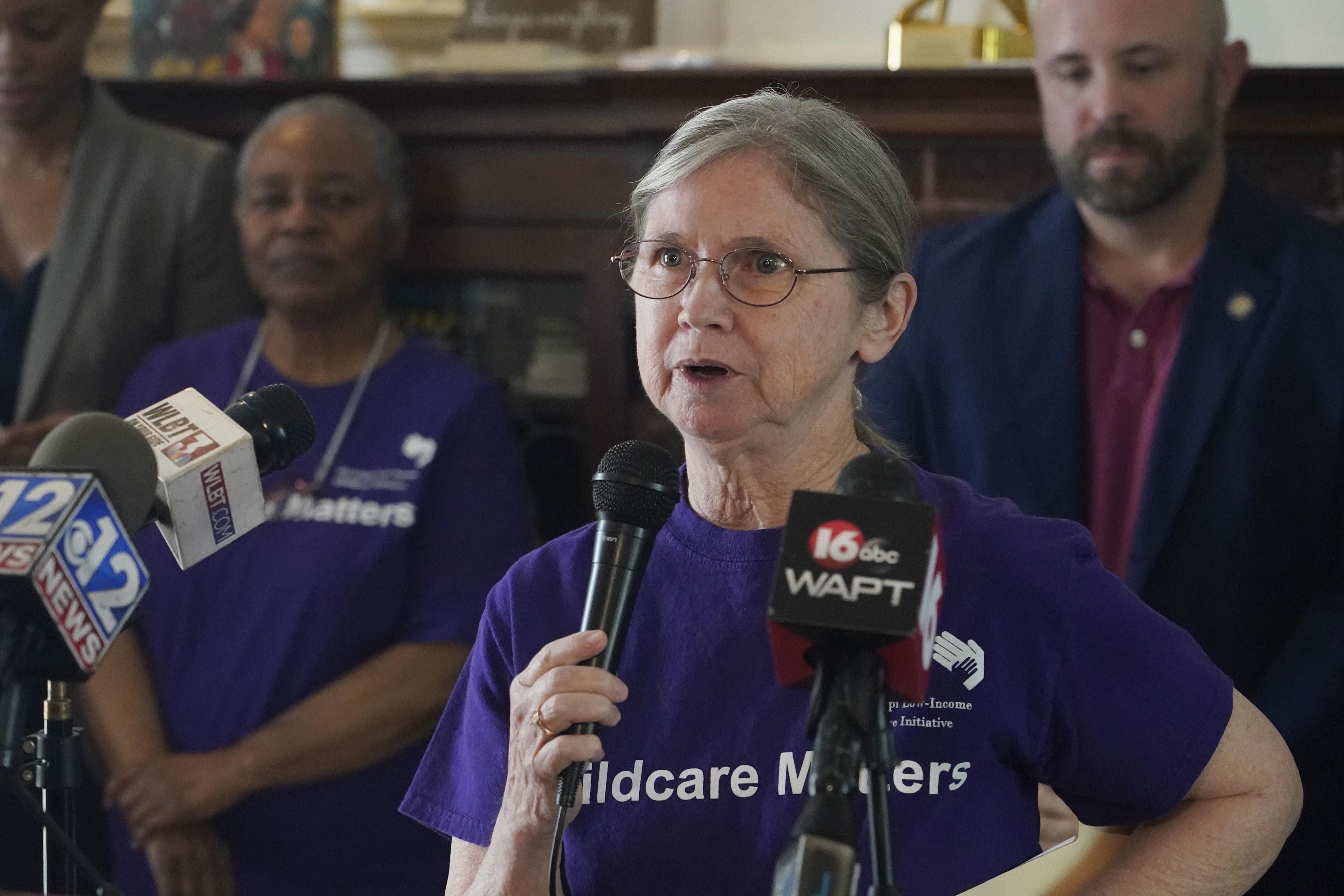
During the press conference, Janice Reed, with Kiddie Kollege in Forest, shared what that's looked like for her and her staff.
"We need immediate restoration of child care funding...to keep our doors open and to continue serving the families who rely on us," said Reed. "I've lost about $40,000 income in the last couple of months."
And, Reed said, she's also lost about 10 teachers and multiple classrooms, leading to the disenrollment of dozens of children at Kiddie Kollege.
For parents, the cuts to funding deeply affect their finances along with their home life.
"Families where we serve had to quit jobs," Reed said. "Incomes collapsed almost overnight."
"Parents simply can't afford child care without assistance, especially in our community: wages are low and our options are very limited in child care."
The initiative, based on its findings, had two policy recommendations: first, expanding the use of federal funding from Temporary Assistance for Needy Families to fill Mississippi's childcare gap.
"Mississippi's TANF grant is around $90 million a year, and we rarely spend it all: that's how we ended up in last year with an unspent TANF balance of $156 million, significantly more than it would have taken for DHS to use that money to prevent this childcare crisis from ever happening," said Burnett.
Their other proposal is to increase the state's participation in the federal Child and Adult Care Food Program, which provides reimbursements on snacks and meals for eligible enrollees at participating childcare centers.
"Mississippi's childcare center participation rate in this program is quite low, and that's largely due to the burdensome bureaucracy imposed by the Mississippi Department of Education's Child Nutrition Office," Burnett said.