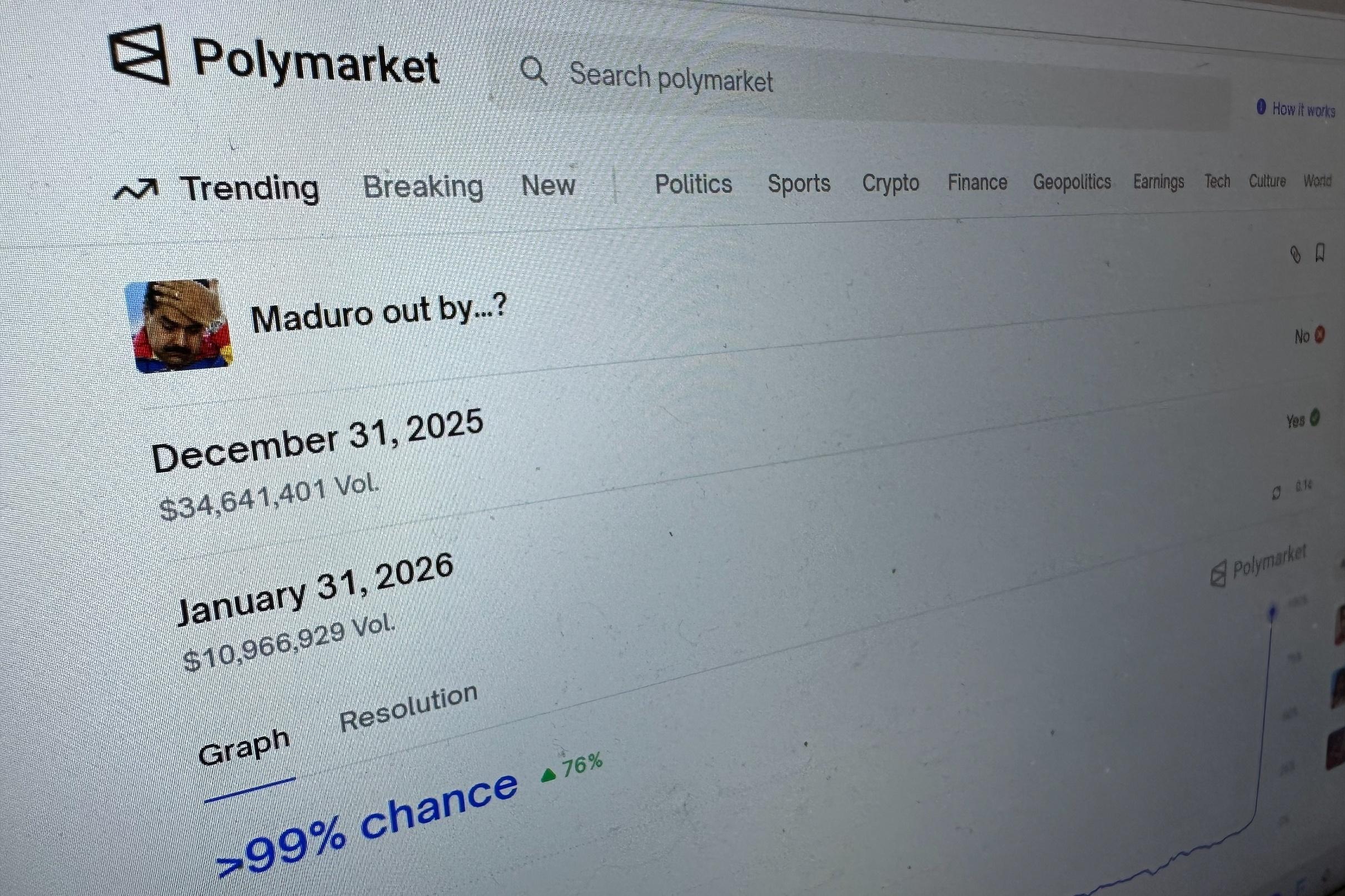
Prediction markets, platforms that allow users to bet on the outcome of events, are now accessible nationwide, including in states like Mississippi where mobile sports betting remains illegal.
In a recent meeting with lawmakers, Mississippi Gaming Commission Executive Director Jay McDaniel said state regulators consider those platforms to be gambling, but say they have limited authority to stop them.
“Our position from the gaming commission is its wagering, it’s gambling,” McDaniel said.
Unlike traditional sports betting, which is regulated by states, prediction markets operate under federal oversight typically applied to financial trading.
That has created a growing legal conflict, with states arguing the platforms function like gambling while operators maintain they are offering regulated financial products.
McDaniel told lawmakers Mississippi is tracking legal challenges in other states as courts weigh whether federal authority overrides state gambling laws.
For now, he said, regulators are taking a wait-and-see approach as legal challenges move forward in other states.
“You can do it on your phone right now, and even if I was to file a suit today, it would not stop it,” McDaniel said.
Advocates who work with problem gamblers say the structure of prediction markets raises additional concerns.
Unlike Mississippi’s current sports betting system, which requires wagers to be placed at a casino, these platforms are available at any time from a smartphone or computer.
Betty Greer, director of the Mississippi Council on Problem and Compulsive Gambling, said that level of access can make it harder for people to avoid risky behavior.
“There's no end to it. That is why it is such a scary thing, Greer said. “It's immediate, you can do it from your phone, and you can do it seven days a week, 24 hours a day.”
Greer said the framing of prediction markets as a form of investing can also obscure the risks for users.
“You are betting something of value on that unknown outcome. That is gambling.”
Casino operators say prediction markets are not only a regulatory concern but a business one.
Mississippi’s gaming industry is heavily regulated, with operators required to maintain licenses and operate physical facilities.
Justin Carter, a regional vice president with Penn Entertainment, said prediction market platforms are competing for the same customers without those obligations.
“At the end of the day, we've been paying taxes in many of these jurisdictions for many years,” Carter said. “And then you have people coming in, they pay no taxes, they don't build anything, they don't even hire anybody. They just turn the switch on.”
Researchers in Mississippi are beginning to study how these changes in online wagering are affecting younger populations. On Monday, the University of Mississippi announced the creation of a new Center on Collegiate Gambling, the first of its kind in the country.
The center will focus on understanding student gambling behavior, including sports betting and prediction markets, and developing strategies to reduce harm.
“We really think that this is an issue that affects Mississippi at large,” Hannah Allen-King, executive director of the university’s William Magee Institute for Student Wellbeing, said.
Researchers say early findings show the issue is already widespread.
About 39% of Mississippi college students reported gambling in the past year, and among those who participate in sports betting, roughly 6% meet the criteria for problem gambling, according to university data.