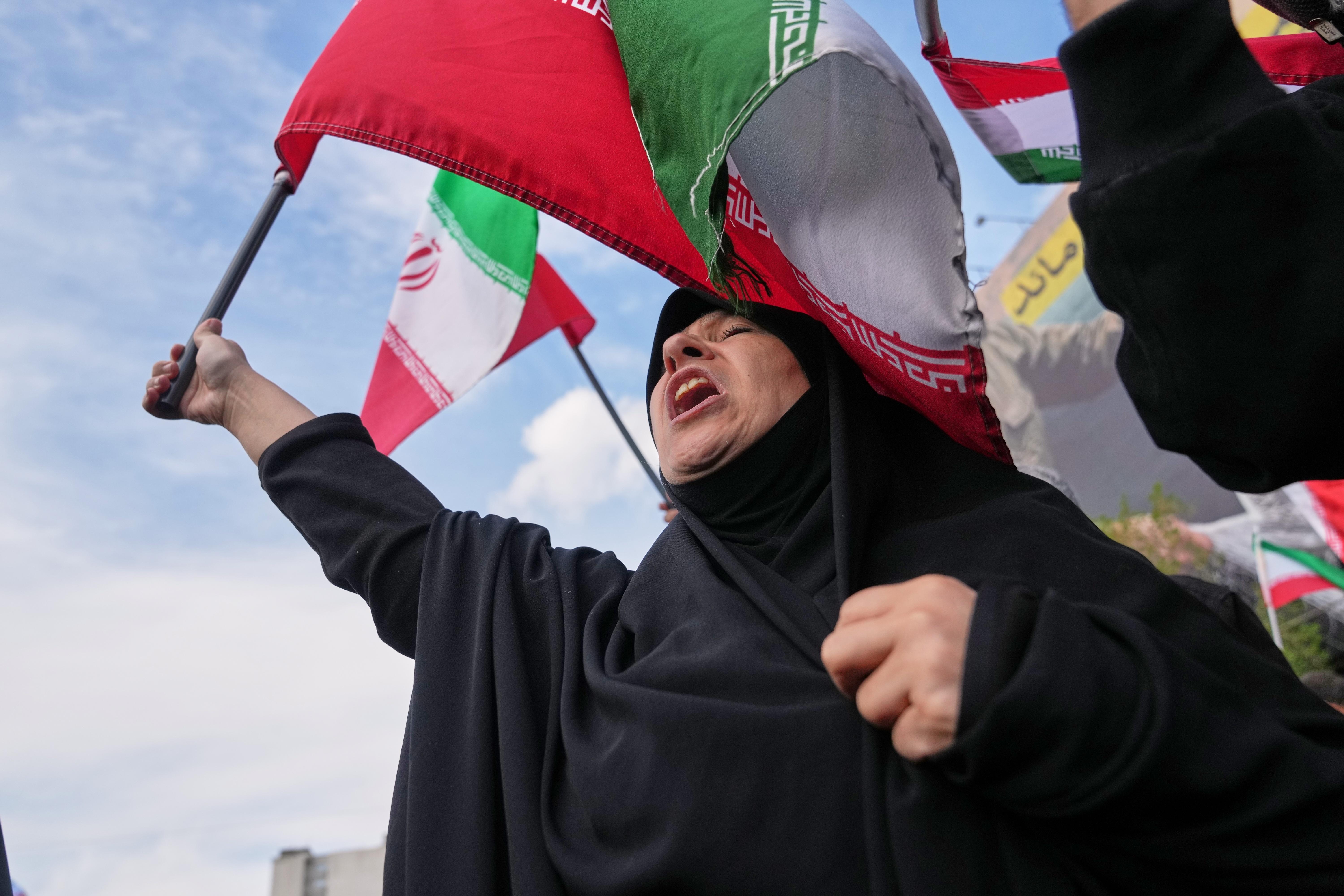
In the U.S., gas and energy prices have soared. The average cost of gas in Mississippi per gallon is currently at $3.76, according to AAA.
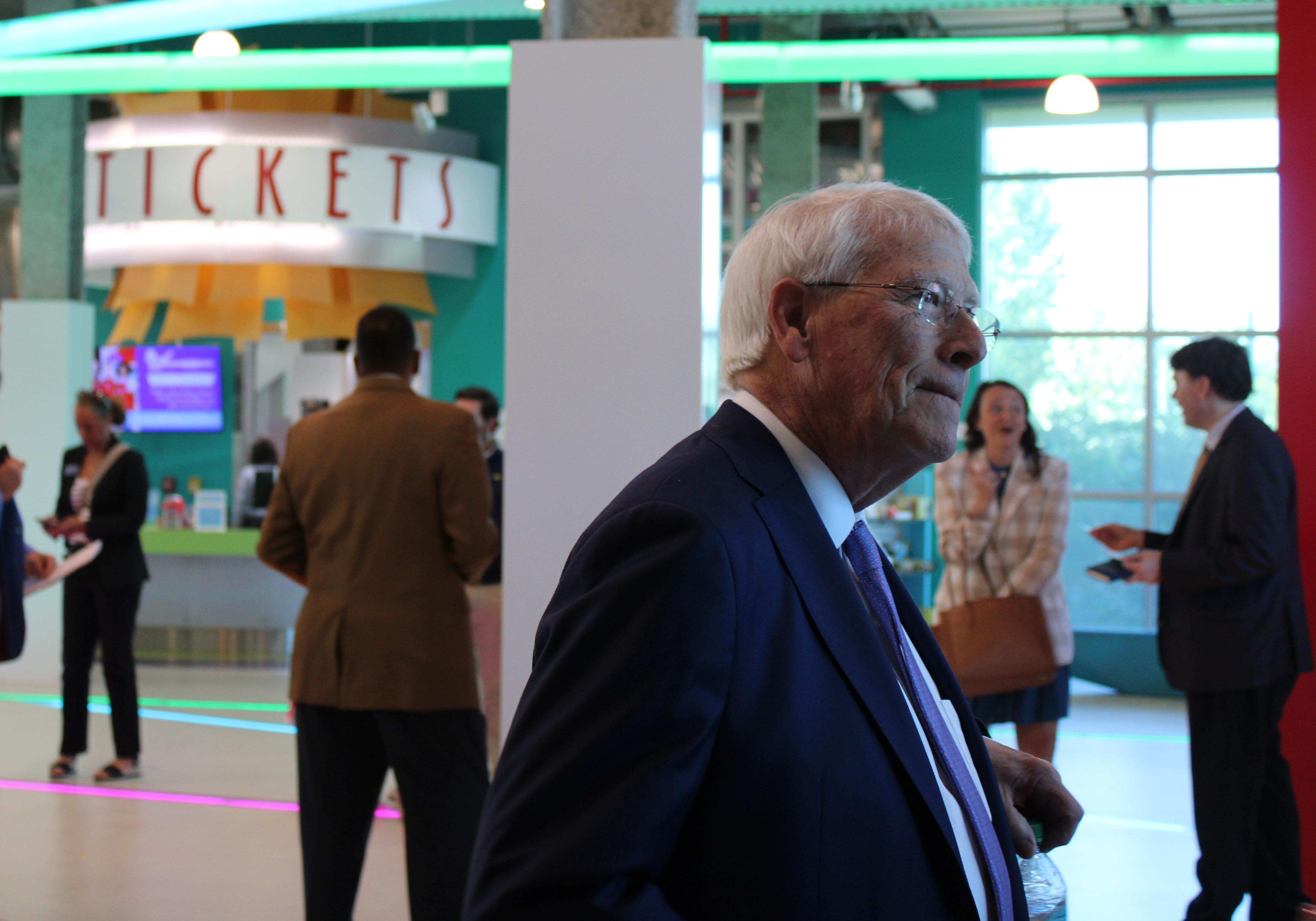
“I do think it's important that the Strait of Hormuz be open,” Wicker said. “Frankly, that oil revenue would be used for the people of Iran rather than for the illegal and terrorist purposes that the Ayatollahs have been using.”
Trump had previously threatened massive attacks to key Iranian infrastructure, including bridges and power plants. This prompted members of the United Nations and some Democrats to warn about the potential for possible war crimes.
Wicker told MPB News that he hopes the president and his advisers remain cautious about the creation of any potential refugee crises in the Middle East and other regions.
“I think our goal should be to allow the Iranian people, the descendants of the Persians, to continue living in their country, much as the people of Germany and Italy and the Axis countries were able to thrive and be part of a modern-day peaceful community of nations after World War II,” he said.
Wicker believes other countries, including Saudi Arabia, Jordan and the United Arab Emirates, are willing to risk continued strikes because they want to see stability among governments in the region.
“I hope that neighboring allies, other Sunni Arab nations can come in and be part of re-establishing a solid basis for the people there to live without terrorism,” he said.
Wicker wasn’t as optimistic aboutIran’s agreement to a deal.
"I don't think there's much of a chance that Iran is going to agree to anything that would be acceptable to the modern world or particularly to their Arab neighbors,” he said. “Clearly, part of the terms would have to be that Iran never gets a nuclear weapon. I don't think their current leadership is prepared for that.”
Israel has continued to strike Lebanon, saying it is not part of the ceasefire. Iran has reportedly closed the Strait of Hormuz, citing the strikes in Lebanon.