



Rural hospitals in Mississippi are bracing for a surge in Coronavirus patients. And, as MPB’s Desare Frazier reports, the hospitals are shoring up their supplies to be better prepared.
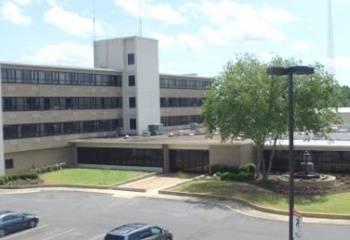
Neshoba General Hospital in Philadephia says its screened over 101 people, tested 6--none were positive for the Coronavirus. CEO Lee McCall says they can treat certain people who contract the virus. But those with serious respiratory problems cannot remain there.
"We do not have an ICU. We do not take standard ventilation patients, those patients that end up becoming vent patients through our emergency department and our hospital are quickly transferred to a higher level of care," said McCall.
McCall says they have a staff of over 600 with 25 beds. They've restricted visitors--one adult per patient and two adult caretakers per child. McCall says telehealth screenings cut down using test kits and conserve protective equipment for staff. Alvin Hoover with King's Daughters Hospital in Brookhaven says they have an Intensive Care Unit and ventilators, if needed to treat people with Coronavirus. He says they have enough resources right now. But...
"We're concerned that at some point we'll reach a level that is really kind of scarey for a small rural hospital to need to provide the level service we do and not have the available protective equipment," said Hoover.
Tim Moore with the Mississippi's Hospital Association says financial burdens have closed six rural hospitals in the state since 2010. He says many have limited staff. Moore says rural hospitals have cutback on a main source of revenue to reduce exposure to the virus.
"Elective cases which is where hospitals were getting revenue to keep the doors open and keep providing services, those are being greatly diminished or in some cases being completely shut off,"
said Moore.
Moore says they're searching worldwide to help hospitals obtain the equipment they'll need in the days to come.