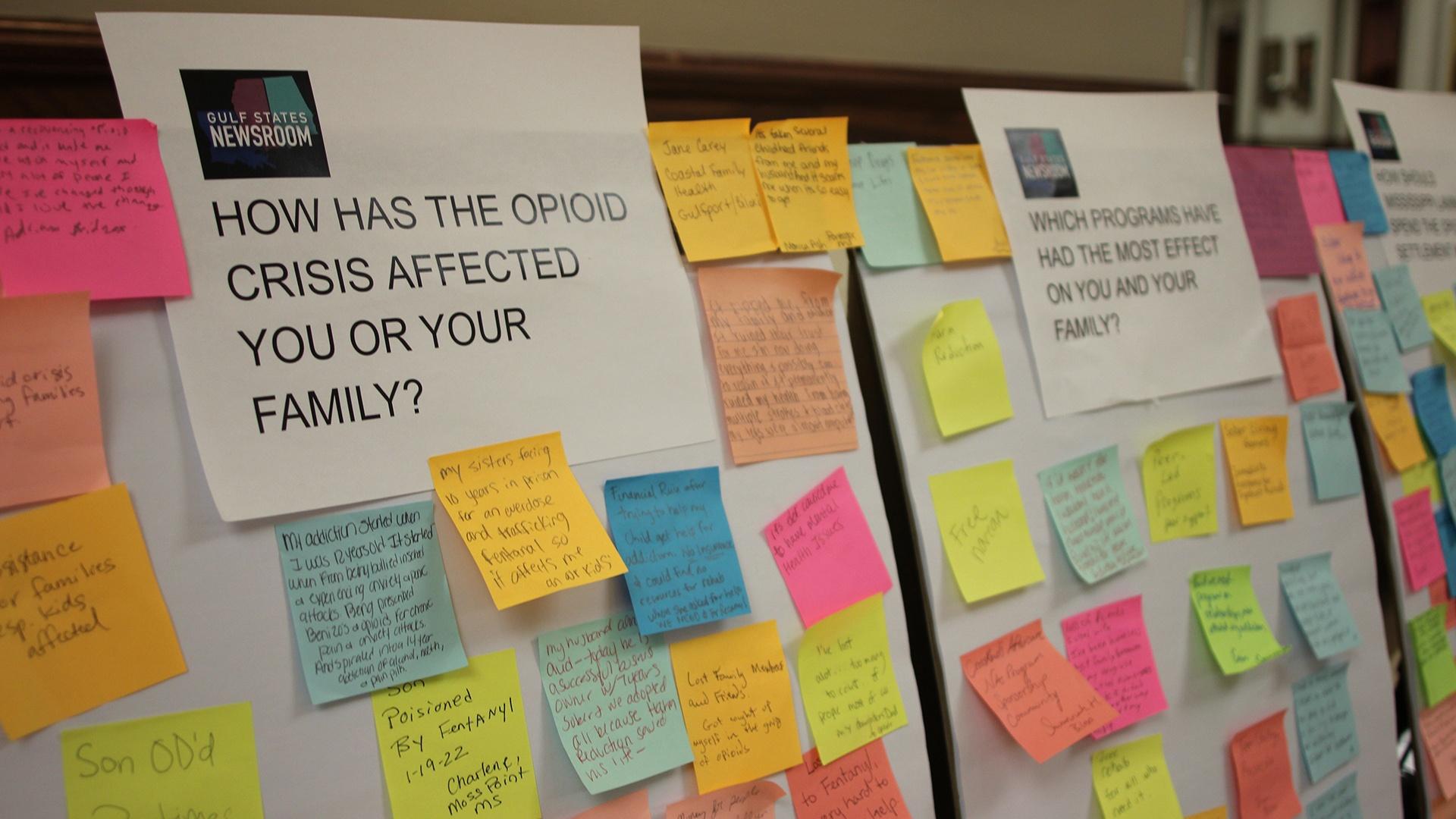
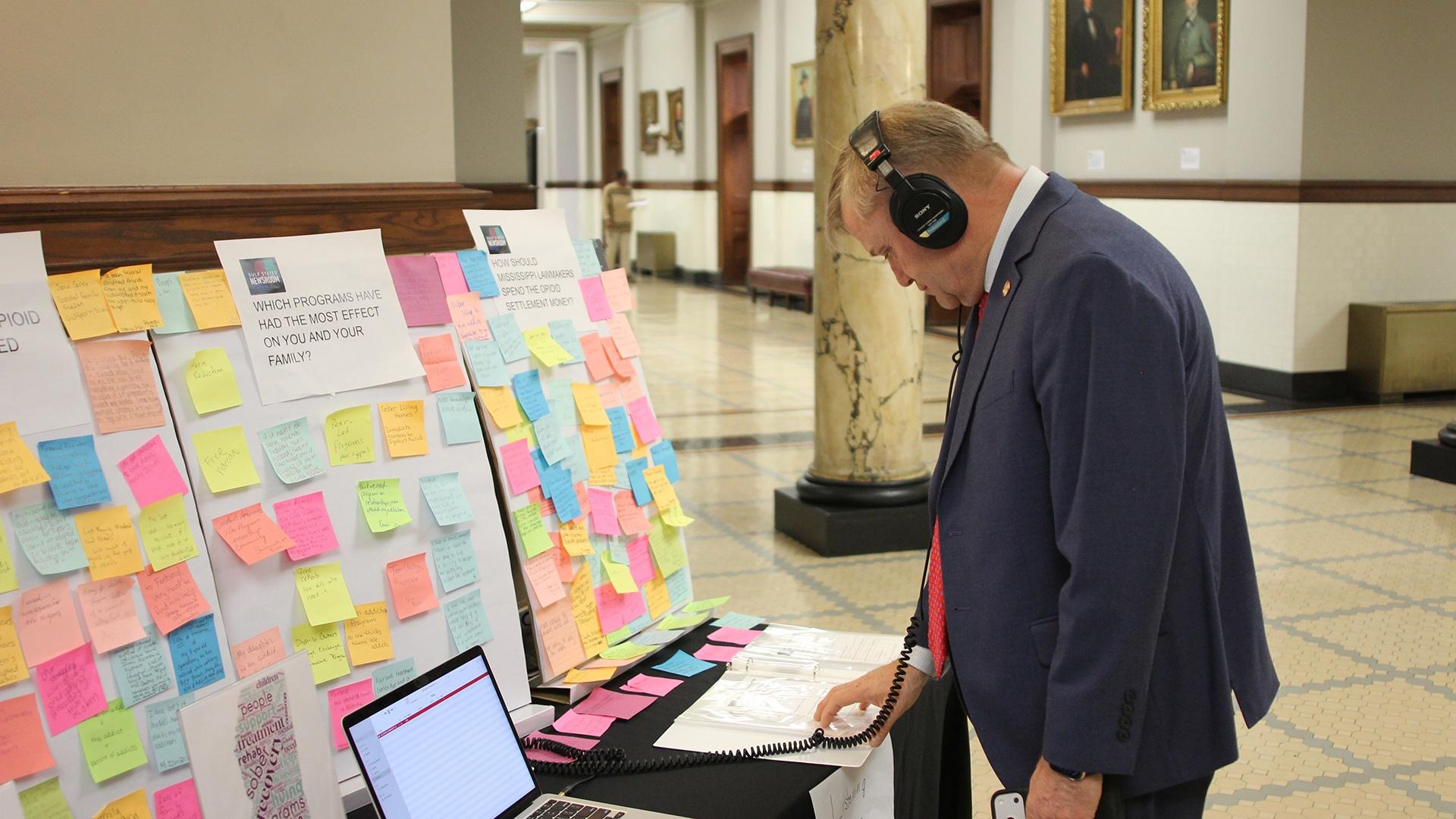
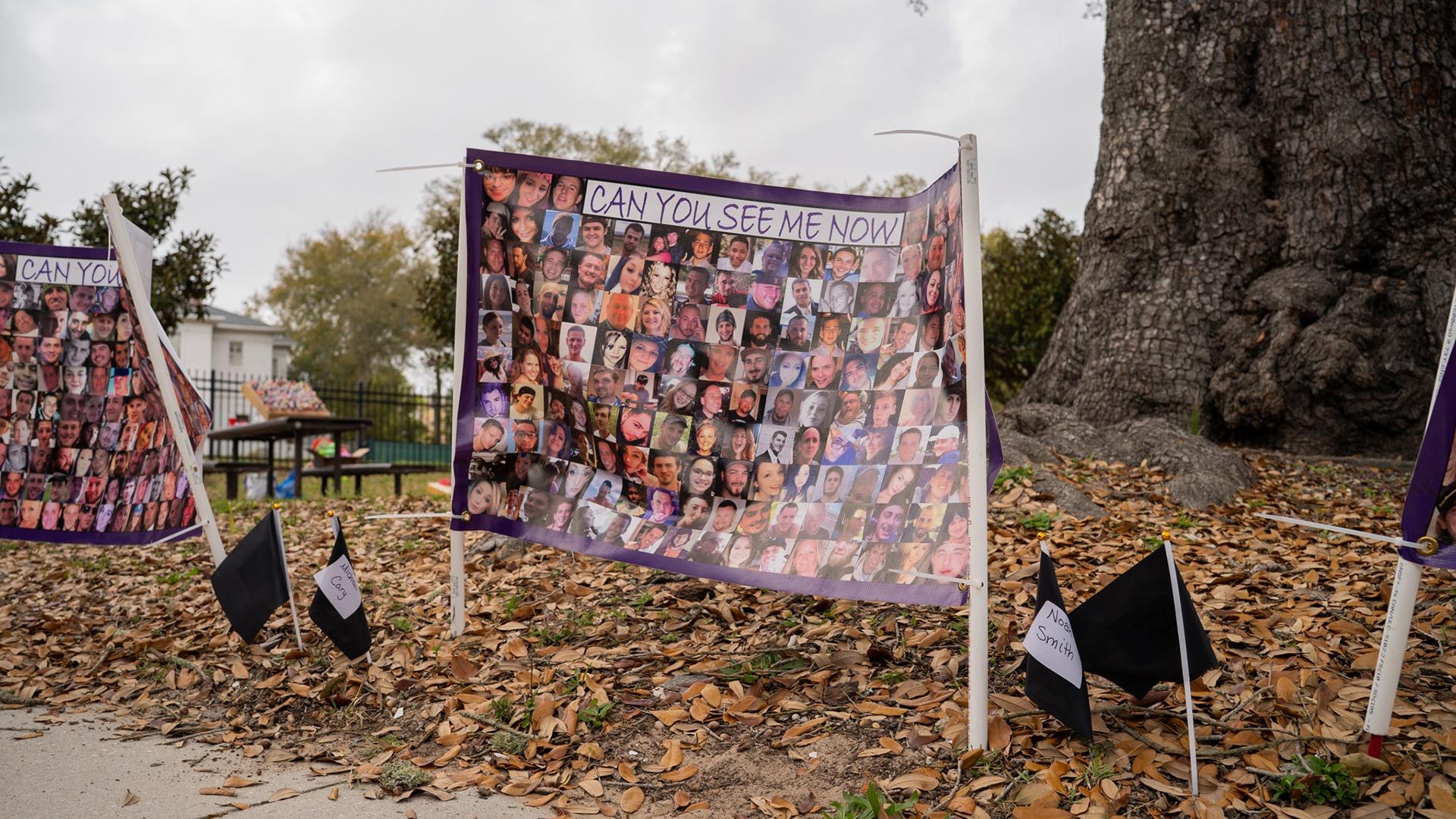
They also described, repeatedly and in their own words, the thing they said made it harder to survive: stigma, or judgment because of a perceived moral failing due to substance use.
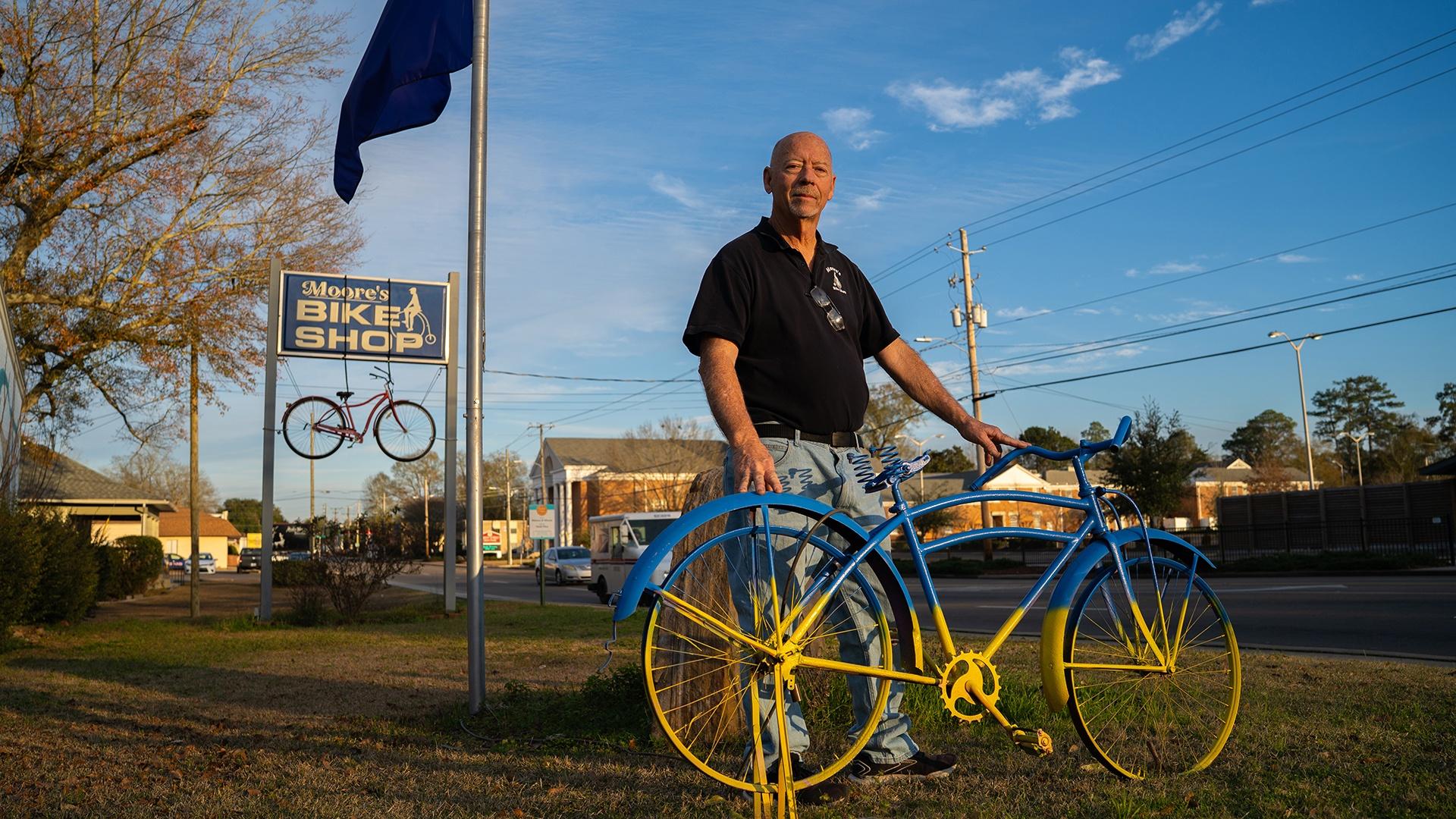
James Moore, Jeffrey's father, spent years approaching his son's addiction as a character flaw. He said it took him a long time to understand what his son was actually up against.
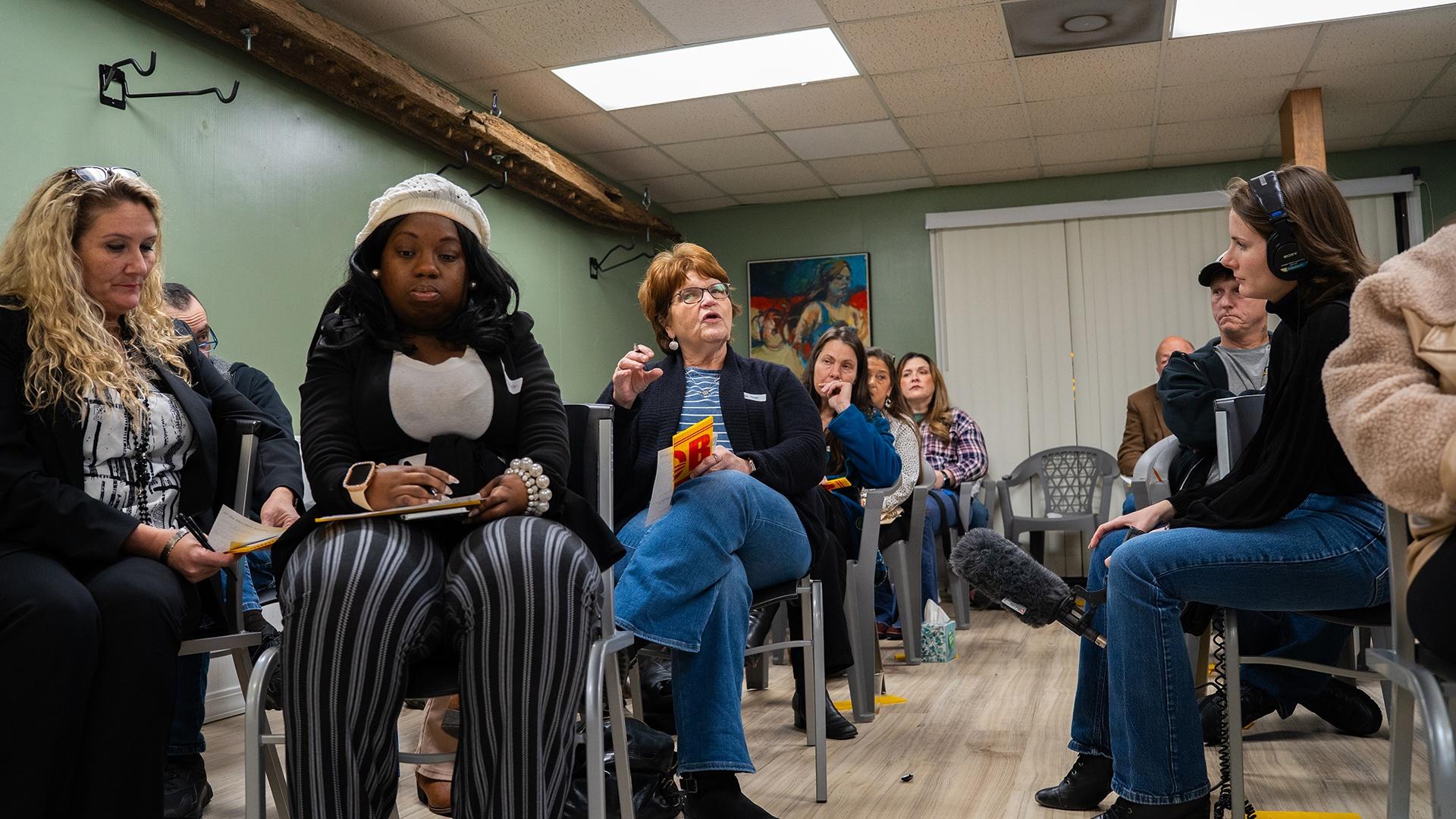
"By the time you wake up on time, clean yourself up, dress yourself and feed yourself and get here and clock in at 9 o'clock with the rest of us," Moore told the room at the Hattiesburg listening session, recounting a conversation he once had with his son, "you have probably put more struggle in your day at that point than the rest of us will all day."
He said it was shame associated with stigma from substance abuse that kept his son from asking for help sooner, or from walking into a treatment center. That killed Jeffrey as much as the drugs did.
It’s the same stigma that Brenda Foster witnesses on a daily basis. As lead nurse navigator for the Mississippi State Department of Health's Opioid and Substance Use Disorder Program, she’s spent years sitting across from women at picnic tables outside her office, meeting people where they are — homeless, pregnant, fresh out of the emergency room, out of options.
As someone who’s never struggled with addiction, Foster said she didn't fully understand the weight of stigma until women started telling her directly.
"They would just look at me really funny and start crying," Foster said. "What's wrong? Well, you're the first person that hasn't treated me like an animal."
That response, she said, changed everything for her.
“That's when I started realizing, wait, we have a problem here,” Foster said.




.jpg)