


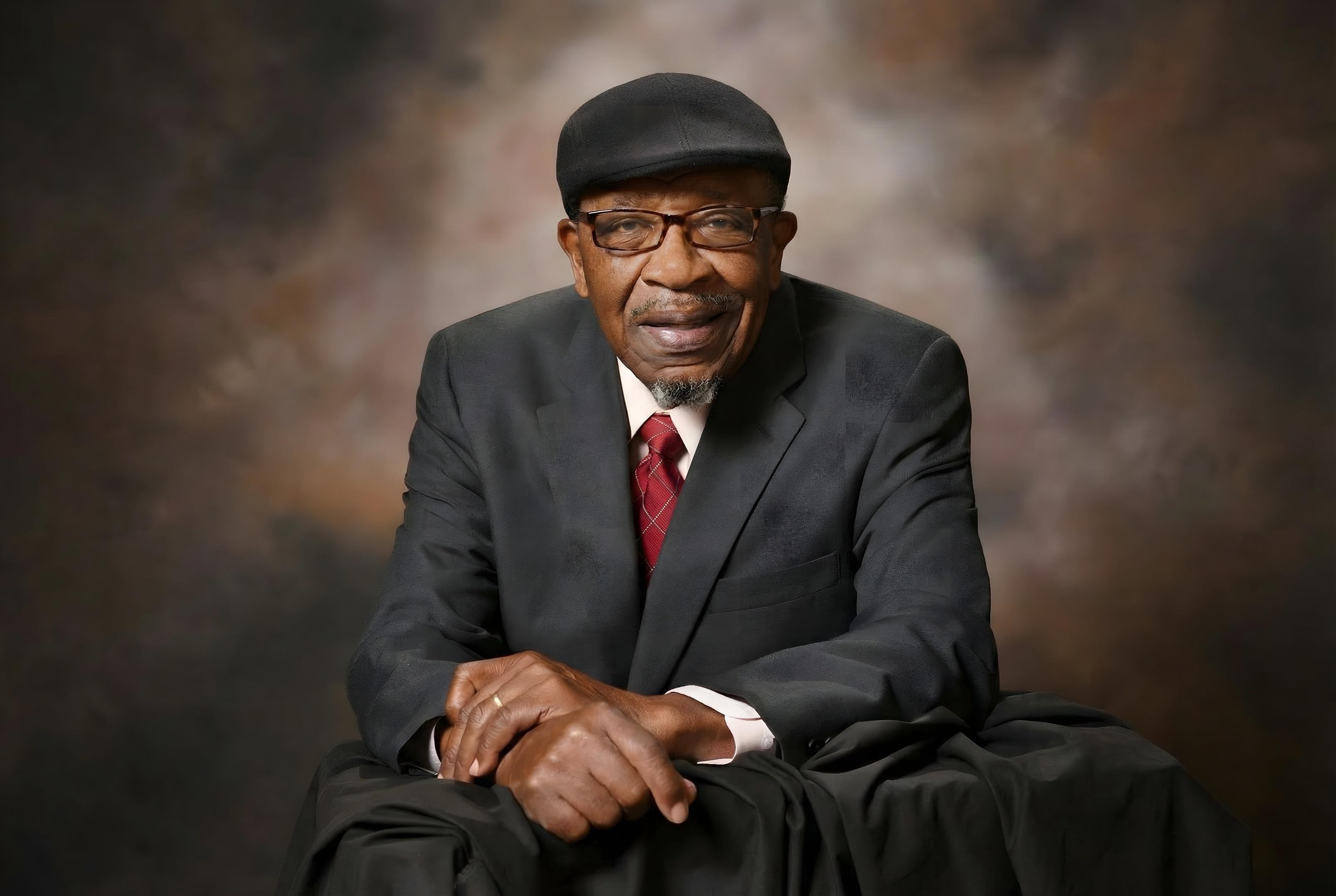
Leaders across Mississippi and the nation are honoring the Rev. John M. Perkins, the civil rights advocate and Christian minister whose decades of work in community development and racial reconciliation shaped churches, colleges and neighborhoods nationwide. Perkins died March 13 at his home in Jackson. He was 95.
Perkins emerged during the civil rights era after surviving racial violence and a wrongful imprisonment in the 1960s. Those events shaped his lifelong message of forgiveness, justice and faith. In 1983, he and his wife, Vera Mae, founded the John and Vera Mae Perkins Foundation, which trains young leaders and supports local and national programs focused on reconciliation and community renewal.
Jackson Mayor John A. Horhn said Perkins’ influence on the city and state cannot be overstated. “He poured his life into the work of justice, reconciliation and community,” Horhn said, adding that Jackson “is better because he chose to make this city his home.”
Educators and faith leaders also remembered Perkins’ national impact. The Council for Christian Colleges and Universities said Perkins believed Christian higher education could help lead reconciliation efforts. He was inducted into the council’s Hall of Faith in January and previously received its Mark O. Hatfield Award for Christian leadership. The CCCU said he remained “passionate about the work of reconciliation and how Christian higher education could be a vehicle for change.”
Belhaven University President Roger Parrott said Perkins’ mentorship shaped his own leadership. “Fifteen years ago I had the privilege of introducing John Perkins to a packed house of college presidents when he received the Mark Hatfield Leadership Award,” Parrott said. “That introduction attempted to capture what this giant of a man and humble servant of God has meant to me during the many years John has been both a dear friend and a remarkable mentor.”
Tributes also came from cultural leaders. Michael Morris, director of the Two Mississippi Museums, described Perkins as “an incredible orator and spiritual leader whose ministry deeply influenced myself and so many others,” and said museum staff extend condolences to the Perkins family.
Civil rights attorney Constance Slaughter-Harvey said Perkins’ legacy is defined by his lifelong work to bridge racial divisions. “He will always be remembered as one who tried to get the races to come together,” she said.
Prominent Christian writer Russell Moore praised Perkins for living out his convictions, saying he “stood with ideas and action and the kind of moral authority that can come only from testing those ideas with his life.”
Jackson State University, which awarded Perkins an honorary Doctor of Humane Letters in 2025, said his “courage, faith and lifelong commitment to justice and community development” inspired generations.
Members of his family shared their grief publicly. His daughter, V. Elizabeth Perkins, posted on social media that “the man I’ve called Daddy died this morning,” adding that his life was “marked by courage, humility, faith and love.” She wrote, “My heart is broken, yet full of gratitude for the gift of being his daughter,” and asked for prayers as the family honors his life and legacy.
Services will be held March 20–22, beginning with a public viewing at Jackson City Hall. A wake is planned for the evening of March 20 at New Horizon Church International, followed by a homegoing celebration on March 21. Burial will take place March 22 in New Hebron. The family encourages supporters to honor Perkins by contributing to the John and Vera Mae Perkins Foundation and continuing the work he devoted his life to.
Perkins is survived by his wife of 74 years, Vera Mae, and their eight children.