State law requires mail-in ballots to be postmarked by election day, but those ballots can be counted up to five business days after an election. Over a dozen other states have similar laws.
At the heart of the argument was whether Mississippi was overstepping federal election day statutes by counting ballots after election day. Plaintiffs, which included the Mississippi Republican Party and the Republican National Committee, argued that election day means both when voters cast their ballots and when those ballots are counted.
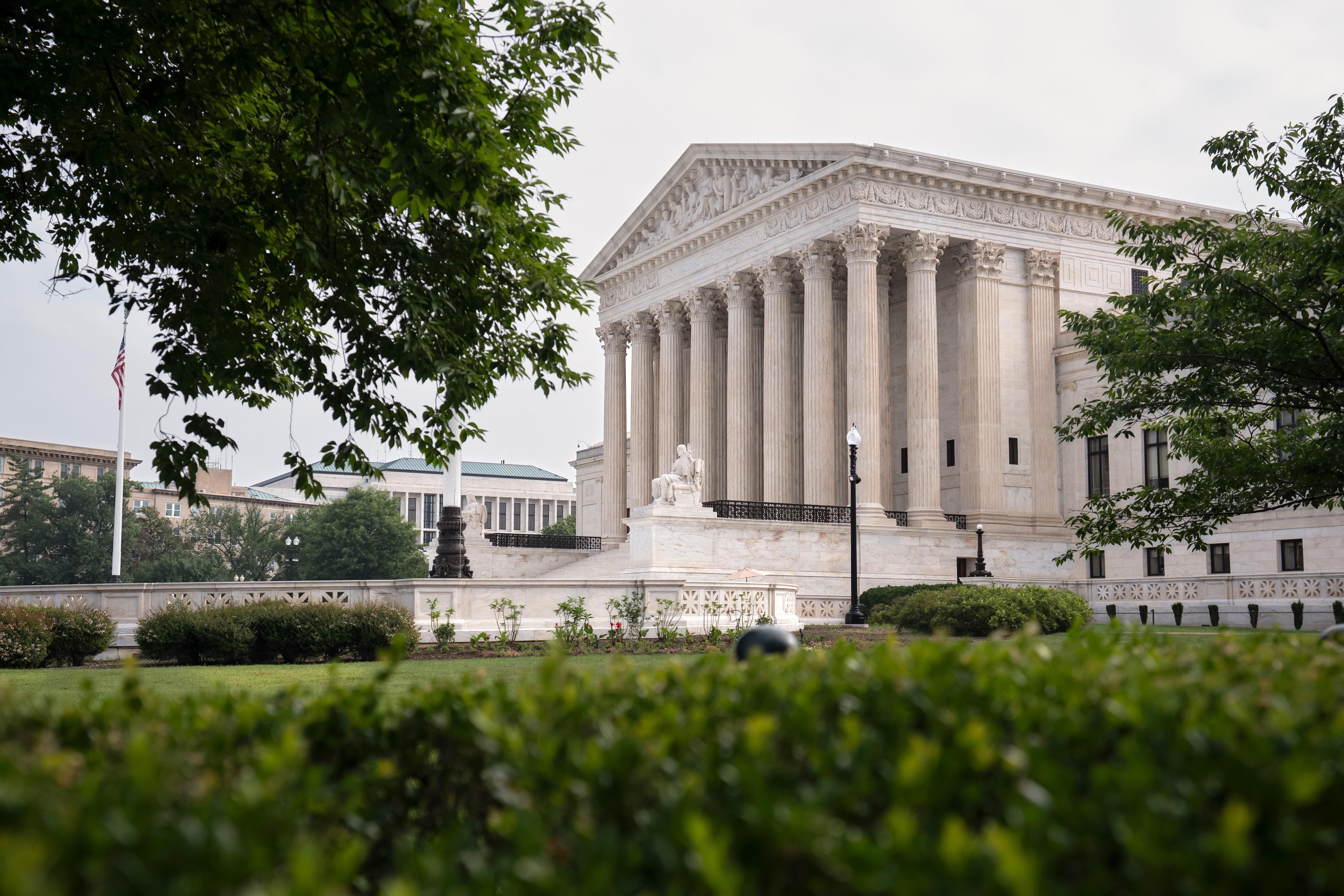
In a 5-4 decision, justices found that while federal law does have the final say on when ballots must be cast, legal and Constitutional precedent give states the freedom to decide ballot receipt deadlines.
"Election-day statutes require the electorate’s choice to be made on election day," wrote Justice Amy Coney Barrett in the opinion for the majority. "That occurs so long as election day is the deadline for individuals to vote—as it is in Mississippi."
"But the election-day statutes do not set a deadline for ballot receipt, so they do not prevent Mississippi from counting ballots postmarked before election day yet received afterward."
In the plaintiff's eyes, election day should include both when voters must case a vote and when those votes have to be received.
"We believe that when Congress said election day is election day, that there are two steps that process," said Mike Hurst, RNC general counsel and chairman of the Mississippi Republican Party. "Yes, the voter has to make that choice, but the state has to receive that ballot in order for an election to occur."
Plaintiffs furthered argued that historical precedent should inform current voting practices.
"This concept of receiving ballots postmarked on election day, receiving those after election day and allowing them to count, that's really something that's only happened in the last 50 years," said Hurst.
The court unequivocally disagreed on both counts, ruling that Constitutionally, "receipt is necessarily divorced from voting" and that none of the historical practices described by plaintiffs were a requirement laid out in the Constitution or law.
Advocates say that the ruling is a win for voting rights and that a ruling for the plaintiffs could have created significant burdens for voters.
"If someone mails their ballot by the legal deadline, their vote shouldn't be discarded just because it takes the Postal Service a few extra days to deliver it," said Lily Moens, policy and research director for Mississippi Votes. "That is not a system that is in the voter's control."
Brad Heard, deputy legal director for the Southern Poverty Law Center's Voting Rights Advocacy and Litigation team, likened it to other routine government mail processes.
"What this decision holds is the very common sense notion that everybody has to cast their ballot by election day," said Heard. "If you're using the mail, just like we mail our taxes, taxes are due on April 15th, and as long as you get the taxes postmarked on April 15, they are considered timely."
The ruling also comes in the middle of a larger push from the Trump administration to limit voting by mail.
"The Trump administration has attacked mail-in ballots, sort of casting doubt on the integrity of elections, which you can see in the...RNC's argument," said Moens. "But that is, as the court noted, a policy concern rather than something that courts can address."
And, while SCOTUS's ruling clearly defines election day boundaries between state and federal law, the push to place limits on ballot receipts is far from over, with the issue likely to make its way to Mississippi's legislature.
"The decision will ultimately rest with the state of Mississippi and the legislators in Mississippi," said Heard. "Voters should take every opportunity to vote up and down the ballot regardless of the procedures."
"From the president of the United States to your school board member, all of those decisions have everyday impact on your lives. "