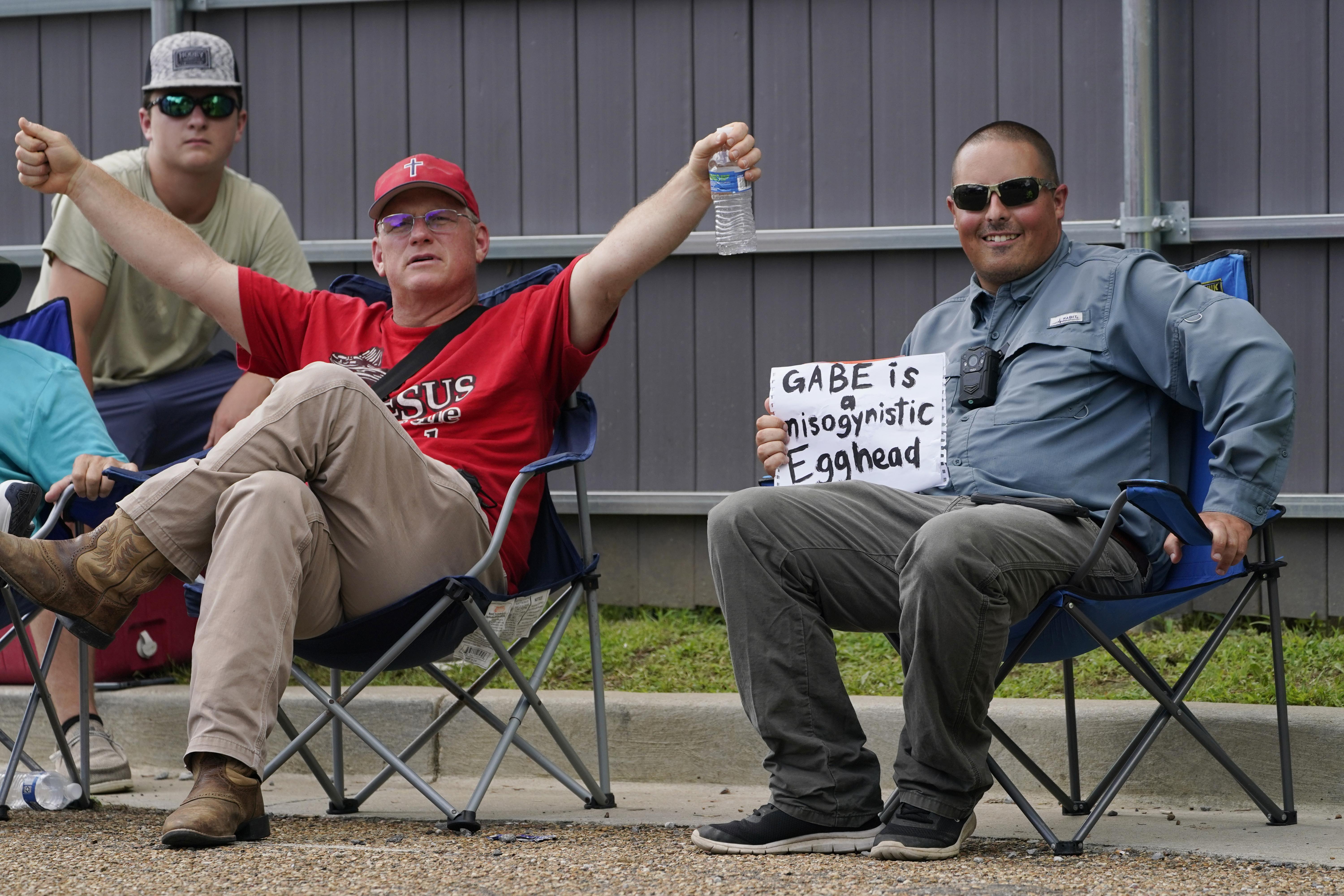
At the center of the case is Gabriel Olivier, a Mississippi pastor who was arrested in 2021 for preaching outside a concert venue in Brandon after refusing to stay inside a city-designated protest area.
Olivier pled no contest, paid a fine and is still on probation. Rather than appealing his conviction in state court, he later sued the city in federal court, arguing the ordinance violates the First Amendment and asking a judge to block the city from enforcing it against him in the future.
Lower federal courts dismissed the lawsuit, citing the Supreme Court’s 1994 ruling in Heck v. Humphrey, which generally prevents people from using civil-rights lawsuits to challenge laws they’ve been convicted under unless that conviction is overturned first.
Now, the justices are being asked to decide whether that rule should also block pre-enforcement challenges, lawsuits filed before someone is prosecuted again, which usually require showing a credible threat of future enforcement.
Olivier and others in his religious group had preached outside Brandon’s amphitheater for years before his arrest, drawing complaints from city officials who said the group’s tactics disrupted traffic and raised public-safety concerns.
One of Olivier’s attorneys, Nate Kellum of the First Liberty Institute, says the years-long legal fight has reshaped Olivier’s day-to-day behavior and ministry.
“He hasn't gone back (to the Brandon amphitheater) and so he's missed a lot of opportunities to tell people his religious message and so it's affected him greatly and he is anxious to get some relief,” Kellum said.
During arguments, the justices pressed both sides on whether existing precedent leaves people like Olivier without any realistic way to protect their constitutional rights.
Chief Justice John Roberts questioned the logic of applying future-risk requirements to people who are already being punished under a law:
“Why would someone who is in custody have to show a likelihood of being prosecuted again under that statute? The person is already serving time, already is having his liberty… anyway.”
The City of Brandon argues that Olivier had several opportunities to challenge the ordinance through the state court system and chose not to use them.
During arguments Wednesday, city attorney Todd Butler told the justices that those options are still available to Olivier.
“Petitioner had the opportunity and still has the opportunity to have his conviction expunged under not one but two different Mississippi statutes,” Butler said. “Petitioner had the opportunity and still has the opportunity to ask Mississippi's governor for a pardon.”
The city says allowing federal lawsuits like Olivier’s to proceed without requiring a conviction to be overturned first would weaken the finality of criminal judgments and the role of state courts.
In an interview after the oral arguments, Kellum rejected the idea that state-court remedies are a realistic substitute for federal review.
“Frankly I just don't believe that that argument carries much weight,” Kellum said. “It would really question why we have federal courts at all if you cannot bring a federal claim to that forum.”
Civil-rights groups and the U.S. Department of Justice have backed Olivier’s position, warning that people who are fined or placed on probation for minor offenses may effectively lose all access to federal court if the Fifth Circuit’s ruling is upheld.
The federal government has urged the justices to allow forward-looking lawsuits like Olivier’s to proceed while leaving existing limits on challenges to past convictions in place.
The Supreme Court is expected to issue a ruling in Olivier v. City of Brandon before the end of their current session in summer 2026.