Since 2022, this outbreak of bird flu has been the largest in U.S. history. Migration season increases the risk for spikes in infections.
"With spring upon us now, the wild birds have begun migrating back from their seasonal winter homes," said Dr. Chelsey Shivley of the USDA. "with that, they risk bringing infectious diseases with them."
Mississippi has been fairly safe this year. The state's Board of Animal Health reported one bird flu case in an Amite County commercial poultry flock in February: but that outbreak was resolved and none of those birds made it into the food system.
Shivley says their biggest hotspots have been in the Midwest so far, with some cases in the Carolinas.
Dr. Natalie Manginsay, poultry veterinarian and director of MSU's Poultry Research and Diagnostic Laboratory, said that while migration season is underway, November through March are actually Mississippi's high-risk months.
"[It's] all related to wild bird migration and temperature, which affects wild bird migrations: but temperature affects not only the wild bird migration, but also the survival of the virus," Manginsay said, with birds migrating north as the weather warms.
"The virus itself likes cold, wet conditions; it doesn't like heat and it doesn't like being dried out."
Dr. Ken Macklin, head of MSU's Department of Poultry Science said that while those high-risk months haven't yielded high amounts of infections lately, it's a good idea to be cautious with migration season.
"We've been very fortunate compared to our neighbors up north that have had more more issues," he said. "But we do live along one of the major flyways."
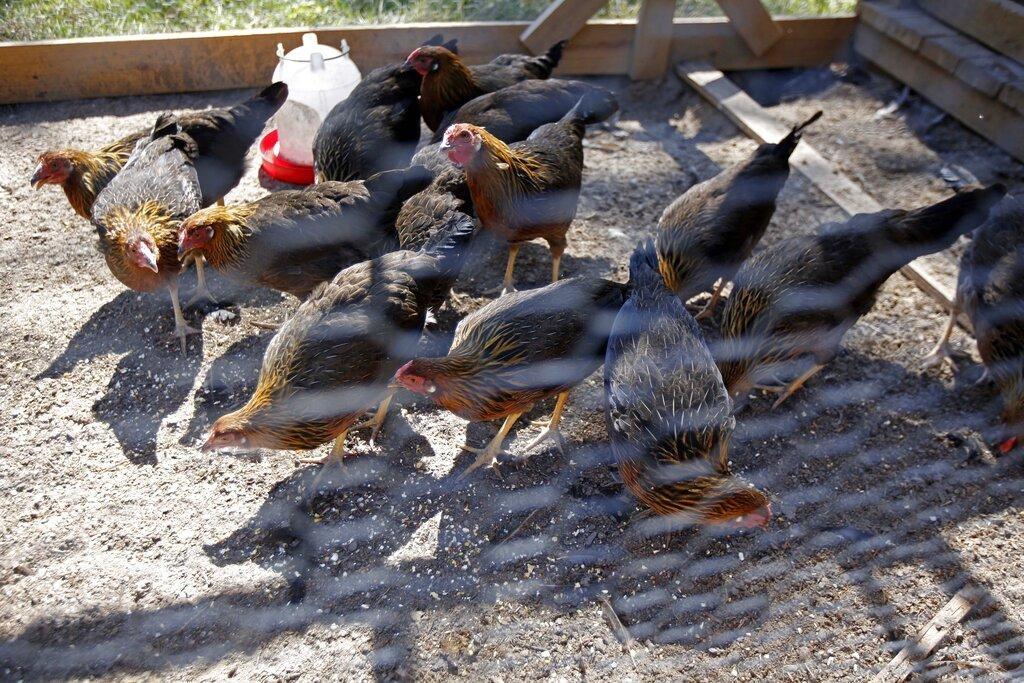
Risk of infection isn't just limited to commercial flocks. Folks raising chickens or other poultry in their backyard need to take precautions, too. So right now, prevention in Mississippi is critical.
"Really it all comes back to biosecurity," Shivley said. "Biosecurity is everything that we can do to keep the diseases away from birds, property, and people."
That means keeping equipment and animal living spaces clean, keeping poultry separate from wild birds and knowing the signs of bird flu to effectively monitor a flock.
Keeping birds separate includes those on the same property.
"You should keep your birds separate by, ideally, age and species," said Macklin. "You don't want to mix your turkeys with your chickens or your turkeys with your ducks and vice versa."
Manginsay said to keep an eye out for other animals as well.
"You want to wild-bird proof your housing and make it rodent-proof because rodents can also potentially carry avian influenza virus," she said, adding that other vermin, like skunks and possums, can carry the disease as well.
"Make sure that you control rodents with like bait stations, for example, around your poultry housing," Manginsay said. "Mow the grass around your houses and make sure the vegetation is kept down so that you don't have opportunity for those rodents and vermin to nest around your houses."
That includes properly disposing of dead poultry to ensure that carrion or vermin aren't attracted to an area where live poultry are kept.
Having separate sets of clothing for poultry care and avoiding equipment sharing are other things Manginsay and Macklin recommend to help prevent infections.
"The biggest thing is if your producers see any signs of illness, make sure they're working with a veterinarian," said Shivley. "They can also call their state veterinarian's office."
Manginsay added that it's crucial to contact officials if they suspect their birds have been infected.
"It's important for people to know that high mortality in poultry in Mississippi is reportable to the Board of Animal Health," said Manginsay. "There's actually an obligation for folks to report high mortality and their flocks."
You can call the USDA at 1-866-536-7593 and check out their website for more resources. And, MSU's Poultry Research and Diagnostic Laboratory has poultry veterinarians on duty to take questions or concerns from anyone who has poultry.
"We consider that anyone who owns birds or poultry in Mississippi to be our clients, and so we serve the poultry owners of Mississippi, whether they're commercial or whether they own backyard flocks," said Manginsay.