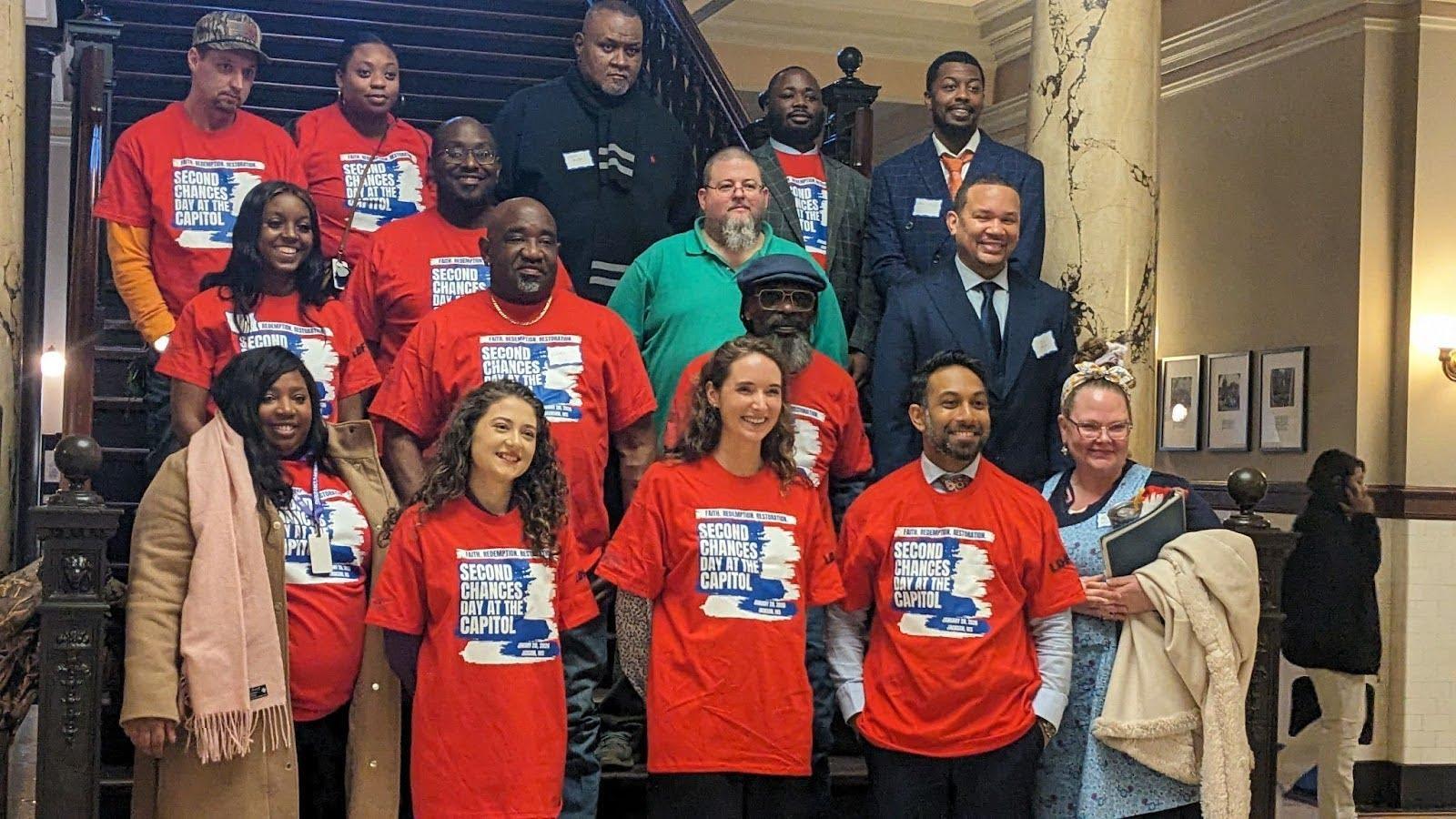
This year, a slew of measures died that would have led to some form of automatic restoration for Mississippi residents with felony convictions: many either upon sentence completion or after a waiting period.
But there are still two paths forward to try to get one’s voting rights back.
You can submit an individual suffrage bill, in which two-thirds of the House andSenate have to vote to restore your rights — and then that bill has to get signed by the governor. Just over a dozen individual suffrage bills have been filed this year. As of March, all of them were still undecided.
The governor can also pardon you directly. Neither of these methods happens frequently.
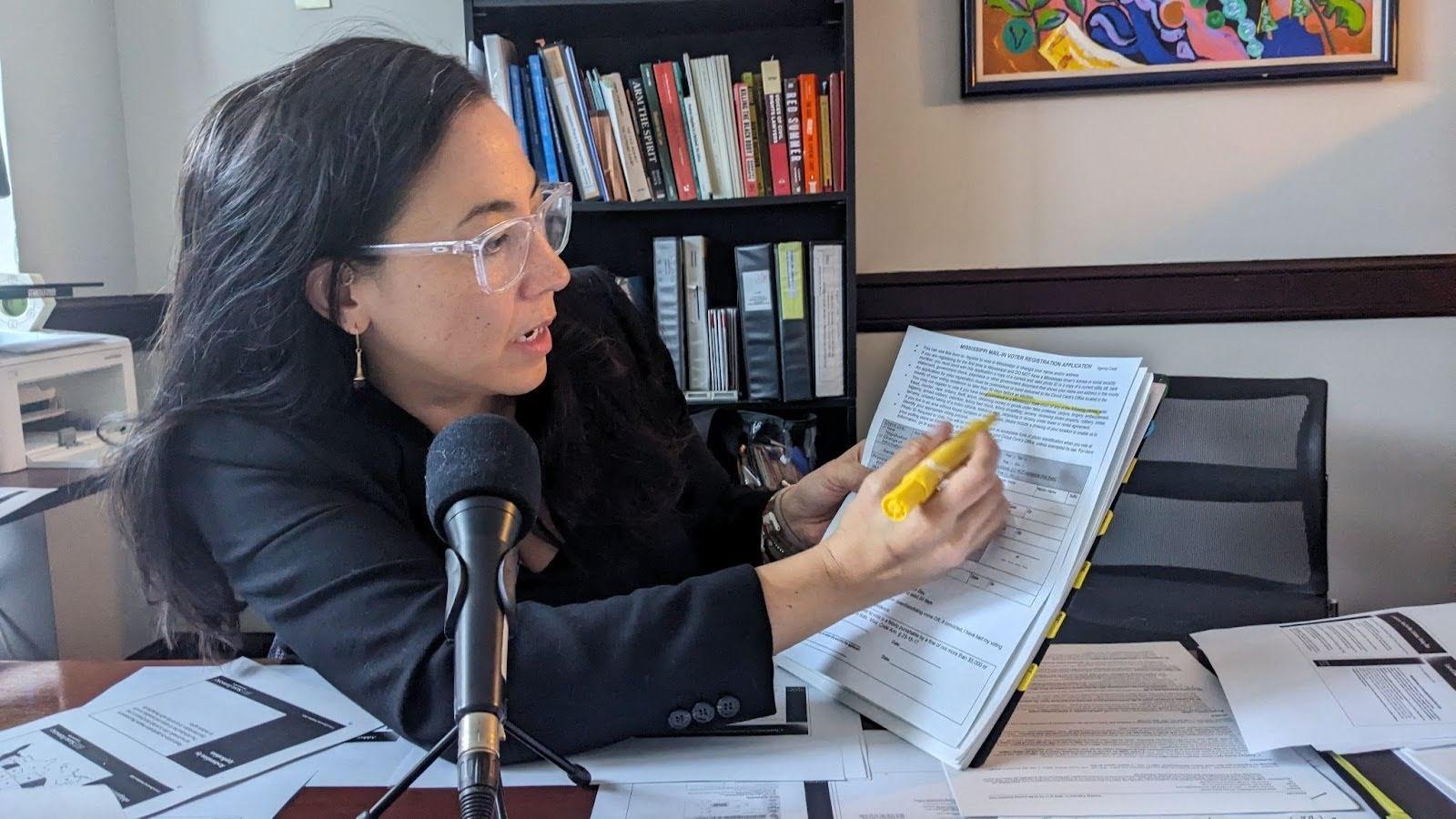
“For suffrage acts, you're talking maybe zero to six people a year are gonna get their right to vote back,” Wu said. “The current system of the suffrage act re-enfranchises about 0.00014% of disenfranchised people per year.”
Many affected also don’t know about these methods.
“No one had ever said that was a possibility,” Frank Martin said. “You get convicted of a felony crime, and they say, ‘You've lost your right to vote, your right to bear arms,’ and they don't educate you and say, ‘Well, you can get it back if you do the right thing.’”
Martin’s not alone — Wu says more could be done to clarify how to get those rights back or whether you’ve even lost them at all.
As much as disenfranchisement can create barriers to civic engagement, Wu considers misinformation — and a lack of information — just as troubling.
“Only felonies and not misdemeanors: and no federal conviction takes the right to vote away in Mississippi,” she said. “No pending criminal charge takes your right to vote away in Mississippi. In order to lose your right to vote in Mississippi, it's got to be in a Mississippi court, a felony, and conviction, not pending, and for one of the 23 disenfranchising crimes.”