One pandemic trend that’s stuck around is drive-thru food pantries. They were brought in for the social distancing and stayed for the speed.
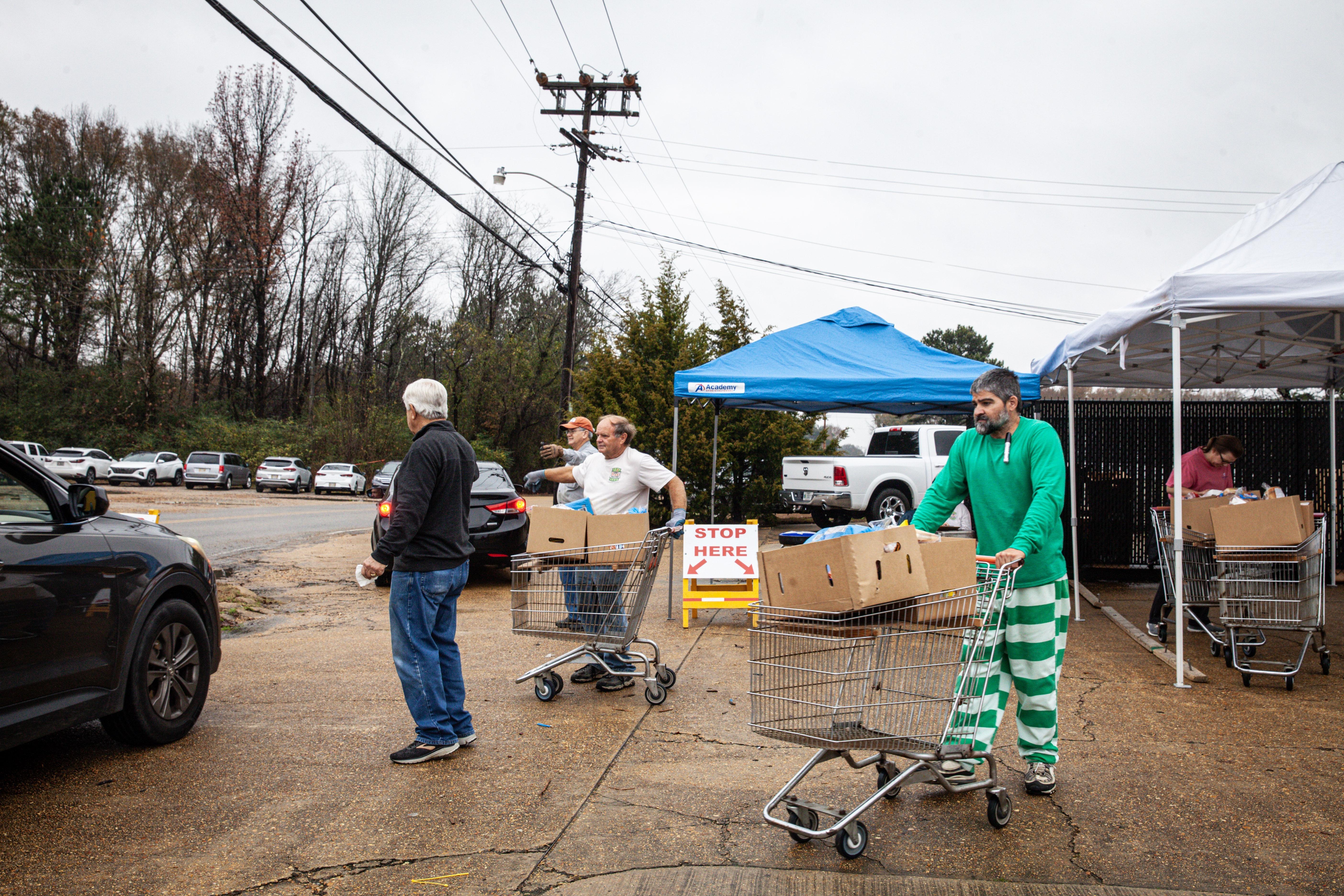
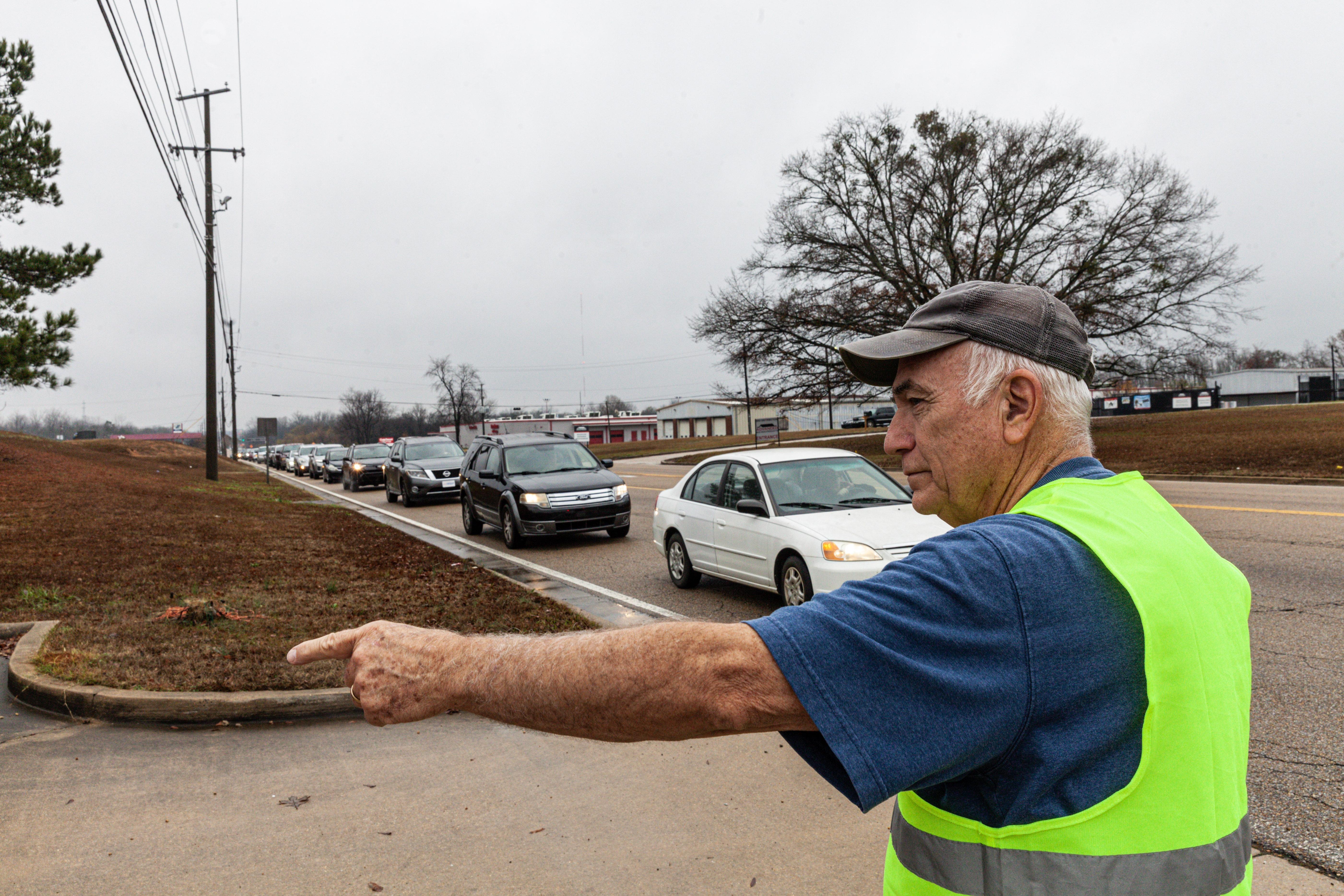
At the Saint Luke Food Pantry in Tupelo, Mississippi, a constant loop of grocery carts brings food from inside the pantry to the waiting line of cars that stretches onto the highway.
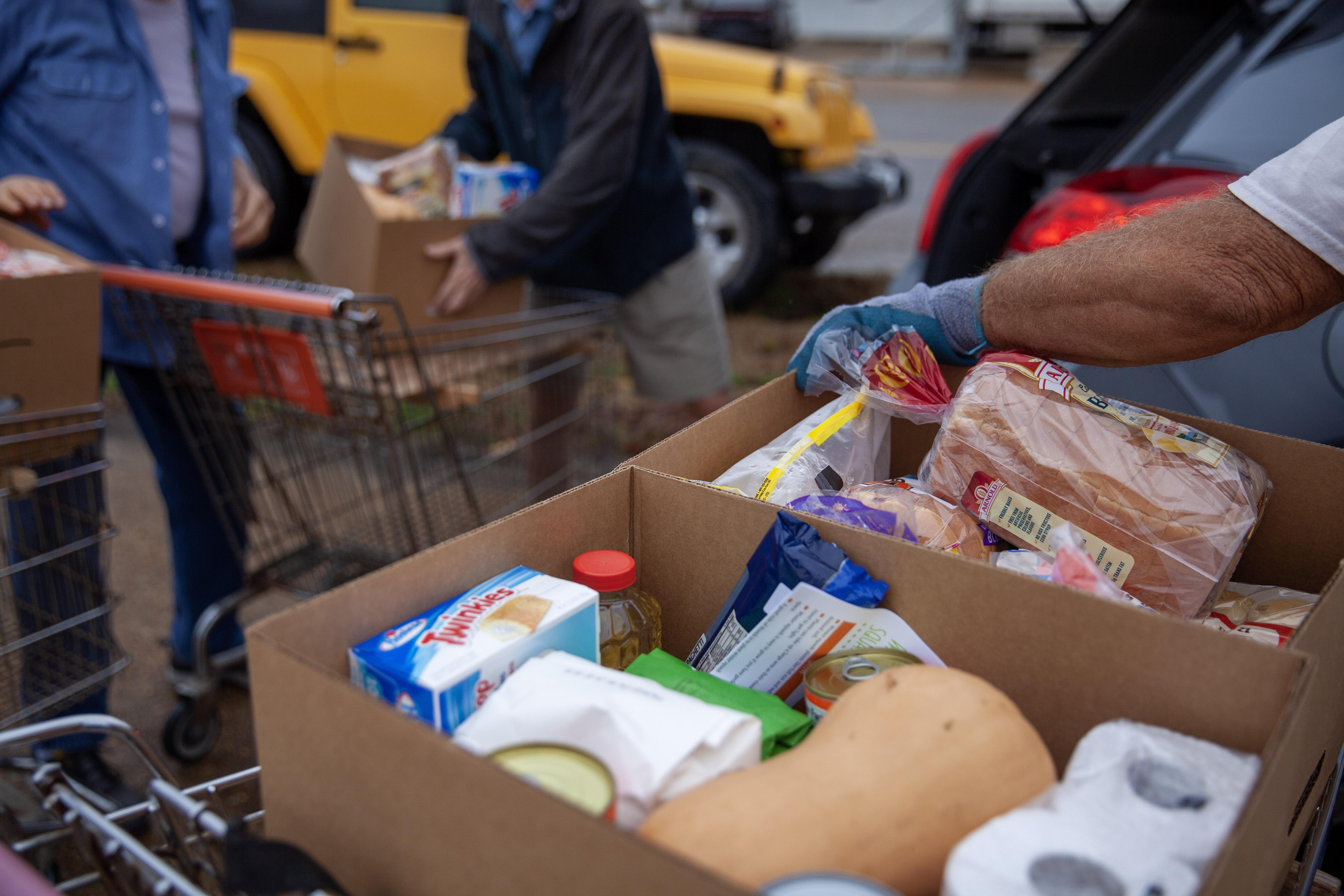
The pantry’s leadership is considering switching to a walk-in model where customers could pick their own food instead of sometimes getting stuck with food items they don’t like or know how to cook. Butternut squash, for example, was a problem for a lot of the pantry’s visitors in December.
“No, I won’t be cooking that butternut squash,” Yvonna Meadows, who’s been coming to the pantry for eight years, said. “Butternut squash, to me, is strictly decoration.”
But a walk-in, choose-your-own pantry requires a lot more volunteers, hours and a bigger space. And with the need for food assistance still so high in Tupelo, getting people through quick matters.
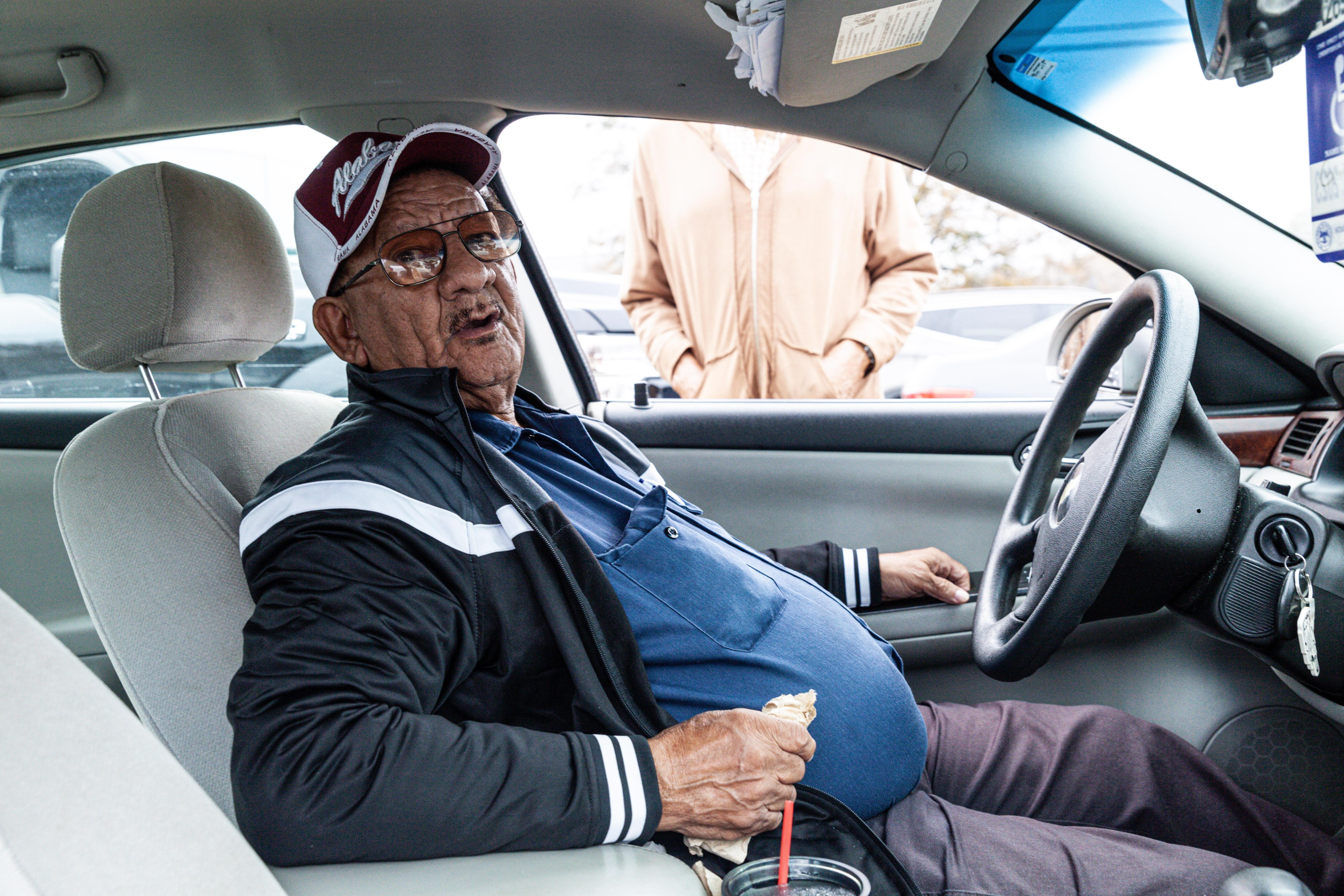
The pantry opens at 8 a.m. on Thursdays, but James Kimbell arrived a little after 3 in the morning on one December morning.
“I come in here early to get my stuff and get out, 'cause so many people come up in here,” Kimbell, another regular at the pantry for years, said.
October set a record number of households helped at the pantry with 2,700. November was lower, but possibly because it was closed on Thanksgiving. That month still had a 47% increase in households compared to the same time period in 2021.
Many of the food pantry’s visitors say inflation has made this year more difficult than the last. For Shannen Soden, it’s her first year going to the pantry. She’s grateful for the assistance, but one thing that hasn’t changed over the past year is the stigma. In the past, she’s seen the look other people give when someone mentions they rely on a food pantry.
“It’s on their face,” Soden said. “It’s like their view of that person completely changes. And then now I’m here, you know. So they would look at me the same way. I worked for many years and sometimes things happen. I think people need to understand that people that come to a place like this need help.”
This story was produced by the Gulf States Newsroom, a collaboration among Mississippi Public Broadcasting, WBHM in Alabama and WWNO and WRKF in Louisiana and NPR.