Your Page Title

‘A little bit of closure, a little bit of grief:’ MS synagogue rebuilds from arson attack

Email share
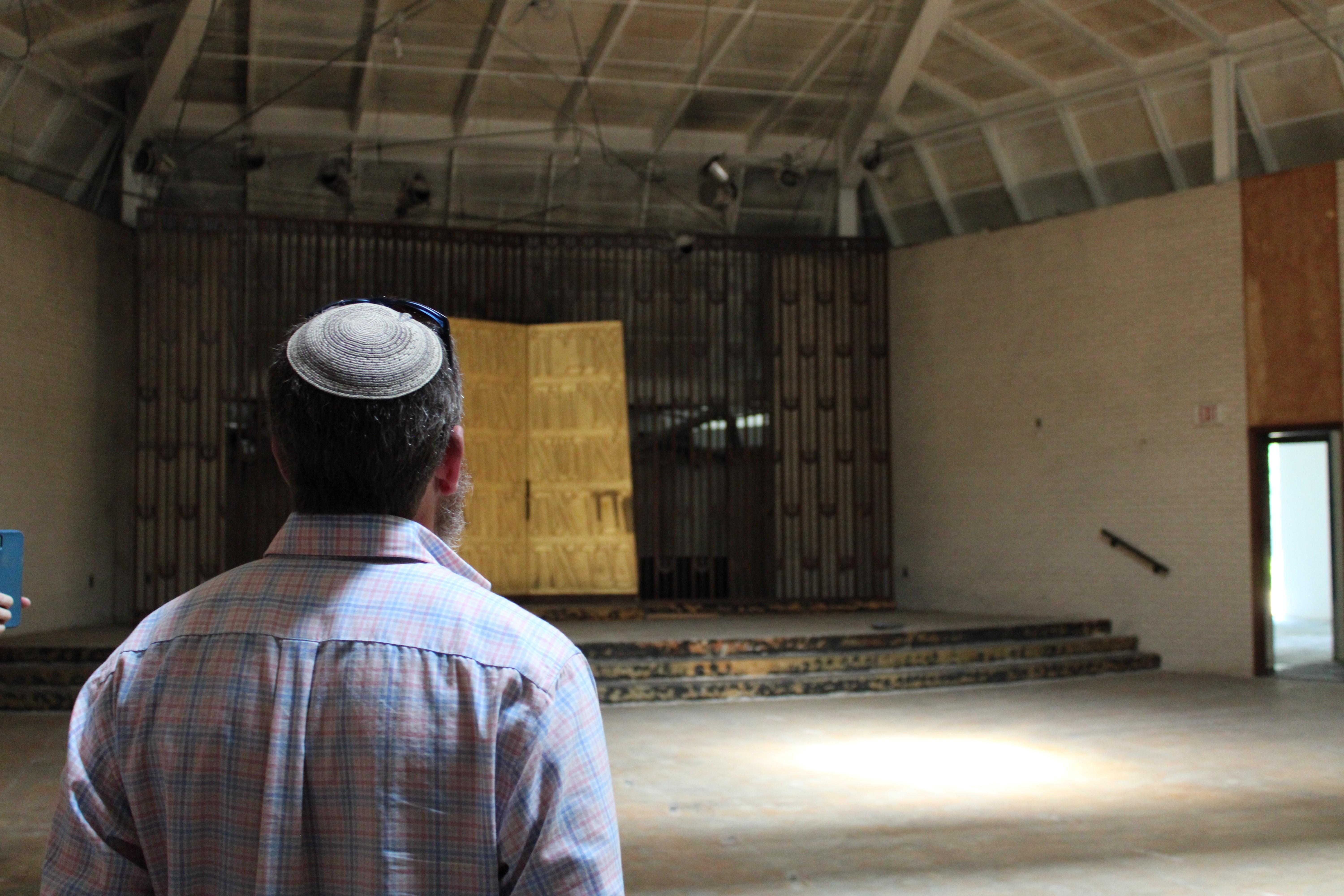
Congregation president Zach Shemper looks at the synagogue's ark in its main sanctuary April 26, 2026.
(Shamira Muhammad, MPB News)

On Sunday in the Holocaust Memorial Garden of the Beth Israel Congregation in Jackson, smoke still permeated the air around the synagogue. It has been nearly four months since the temple was left severely damaged from an intentionally set fire. 

For the first time since that January arson attack, leaders of Beth Israel allowed local members of the press in to see the damage and how far they’ve come.

Shamira Muhammad

Beth Israel rebuilds after January arson attack

00:0000:00

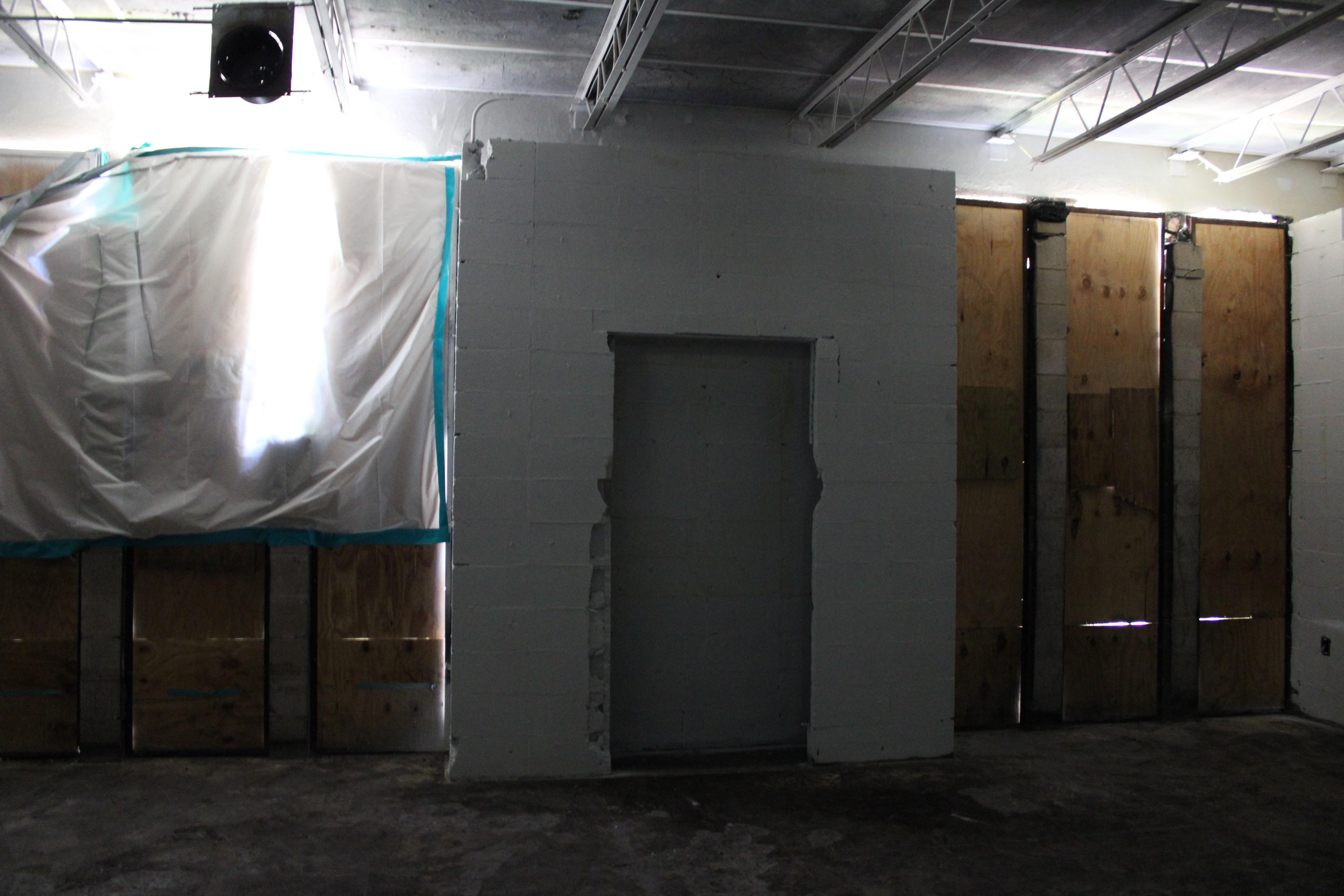
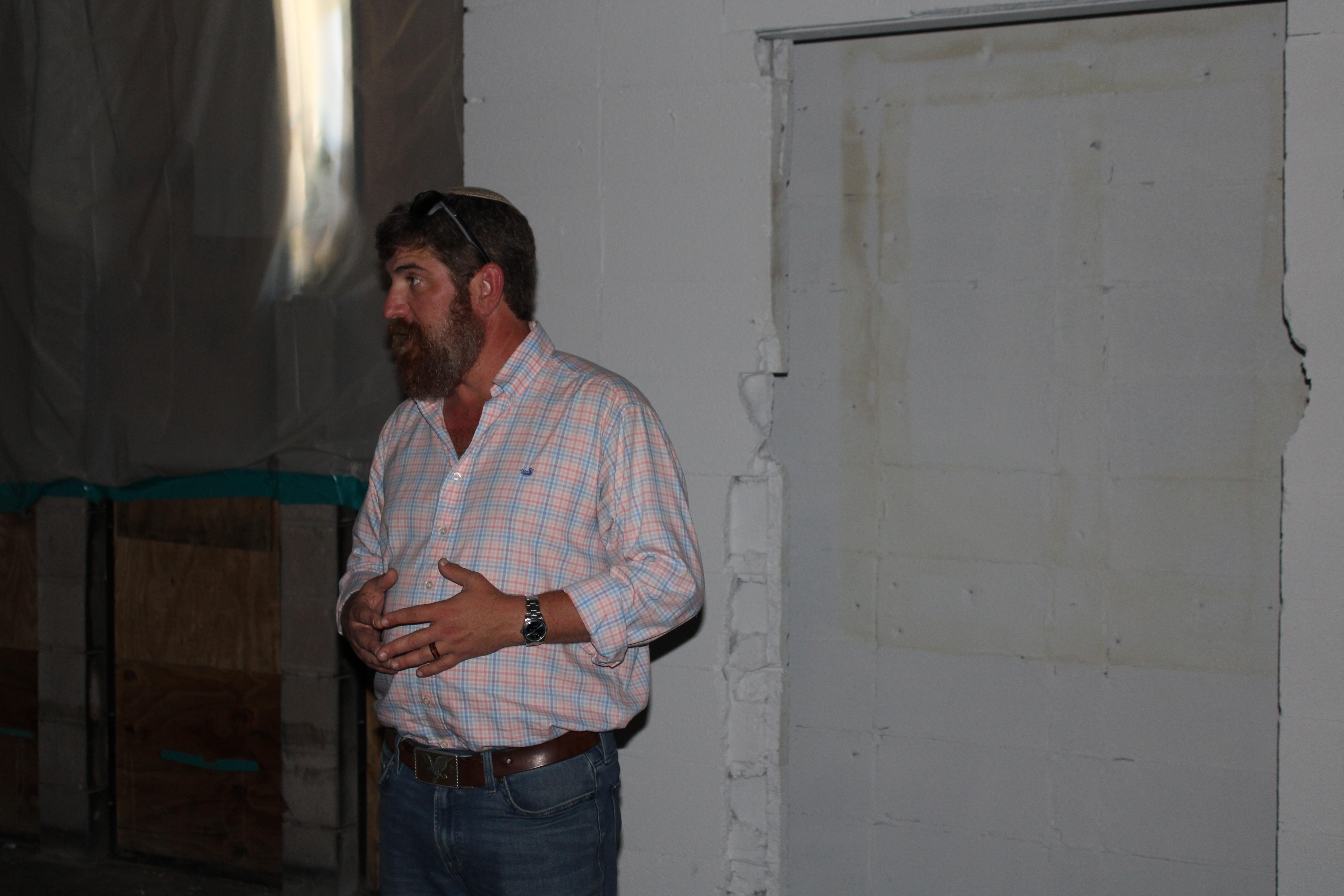
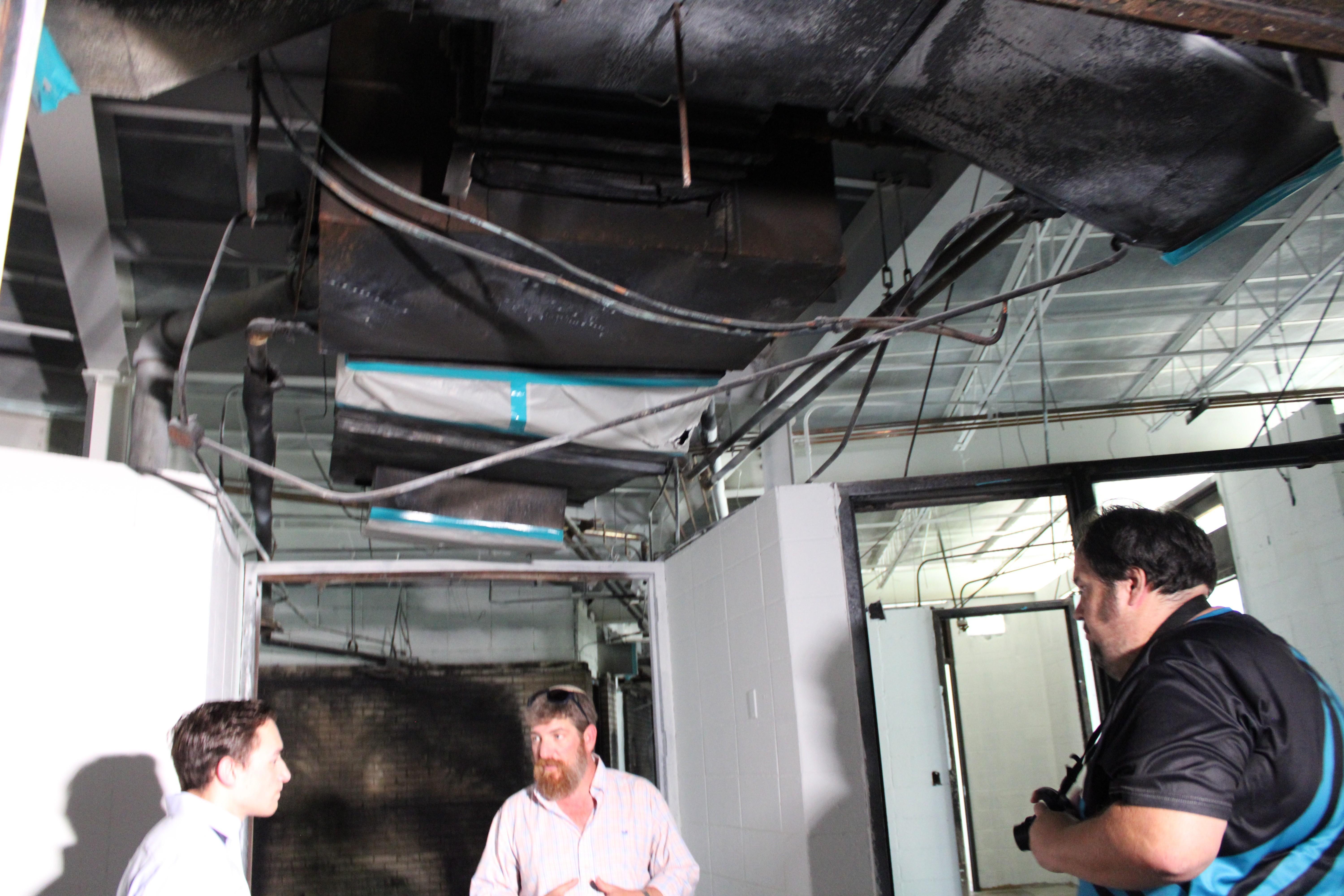
Congregation President Zach Shemper pushed open large interior doors that squealed under the force. The synagogue has not been able to be used for worship since January 9. Fire damaged wood doorframes, exposed ceilings and melted electric hardware are still visible. The building has no electricity and traces of temple life before the fire were still visible. 

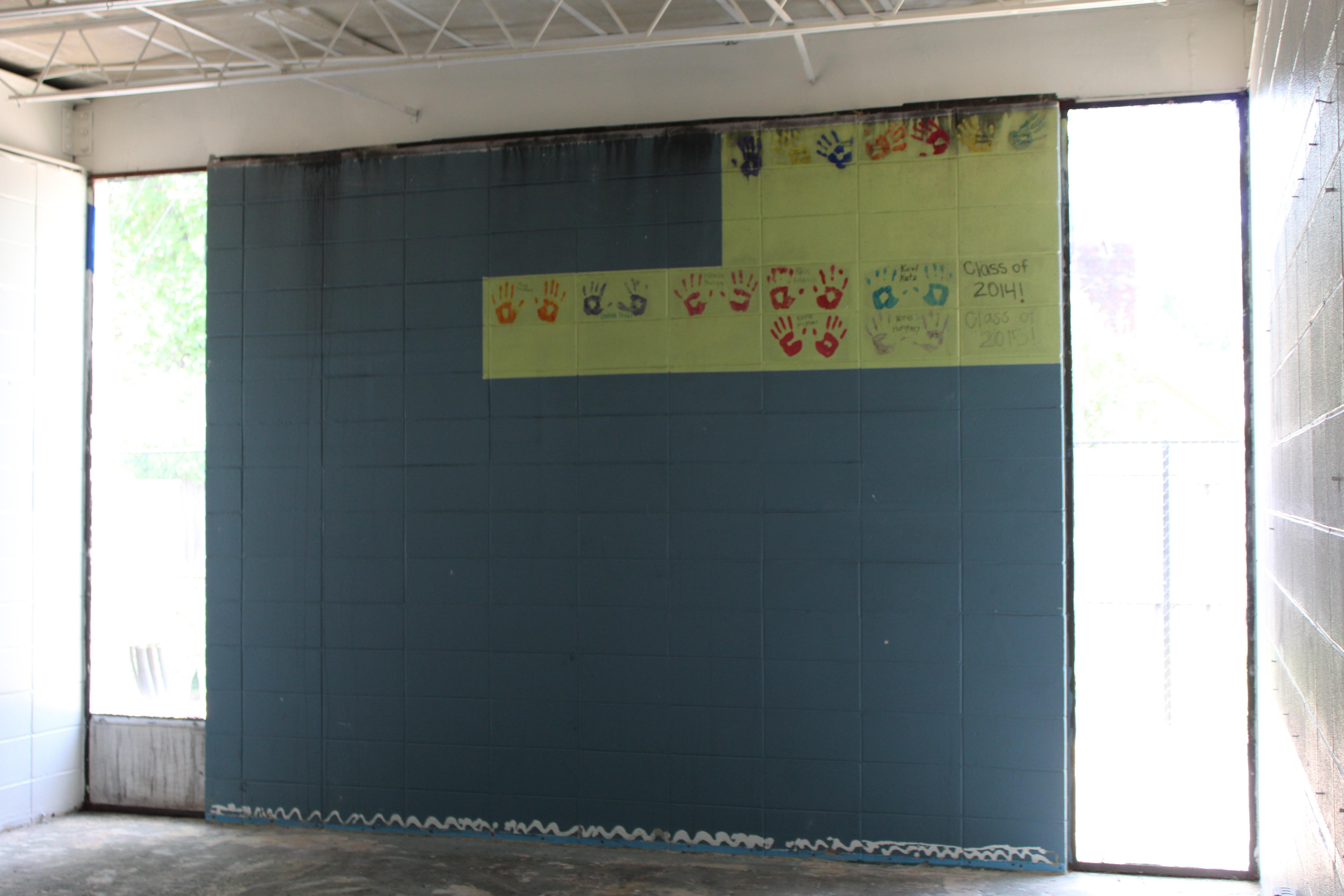
One room featured handprints imprinted on lime green paint, souvenirs from different graduating classes. Soot seeped down from the top of the wall. 

One room featured handprints imprinted on lime green paint, souvenirs from different graduating classes. Soot seeps down from the ceiling.
(Shamira Muhammad, MPB News)

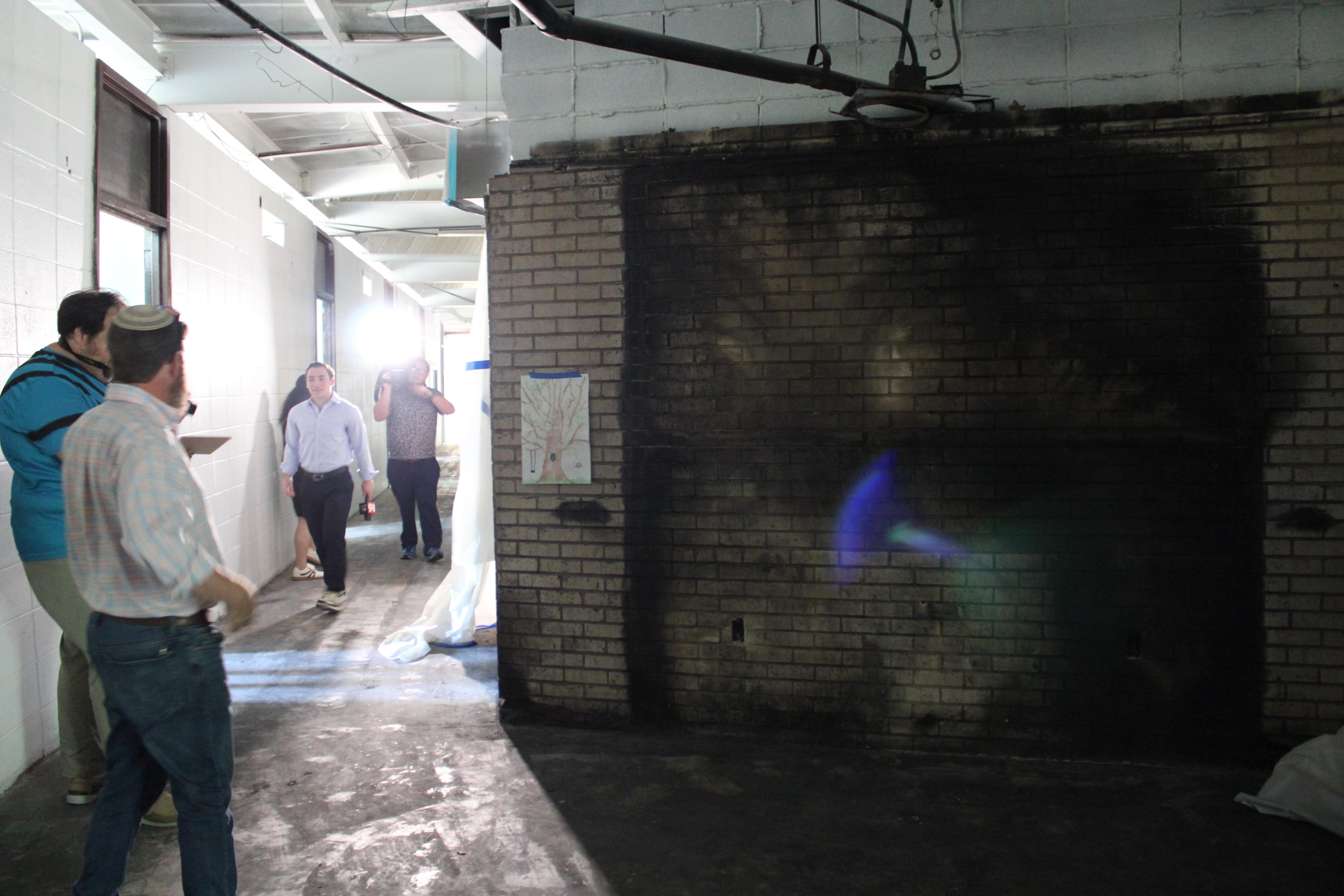
The wall that used to feature the synagogue’s “simchas,” or celebrations, is covered in thick, black soot. Parts of the original wall color still visible resemble a tree caught in wind.

“This was our Tree of Life with all the brass plaques on it, representing all of the extra special moments in people's lives,” said Shemper. 

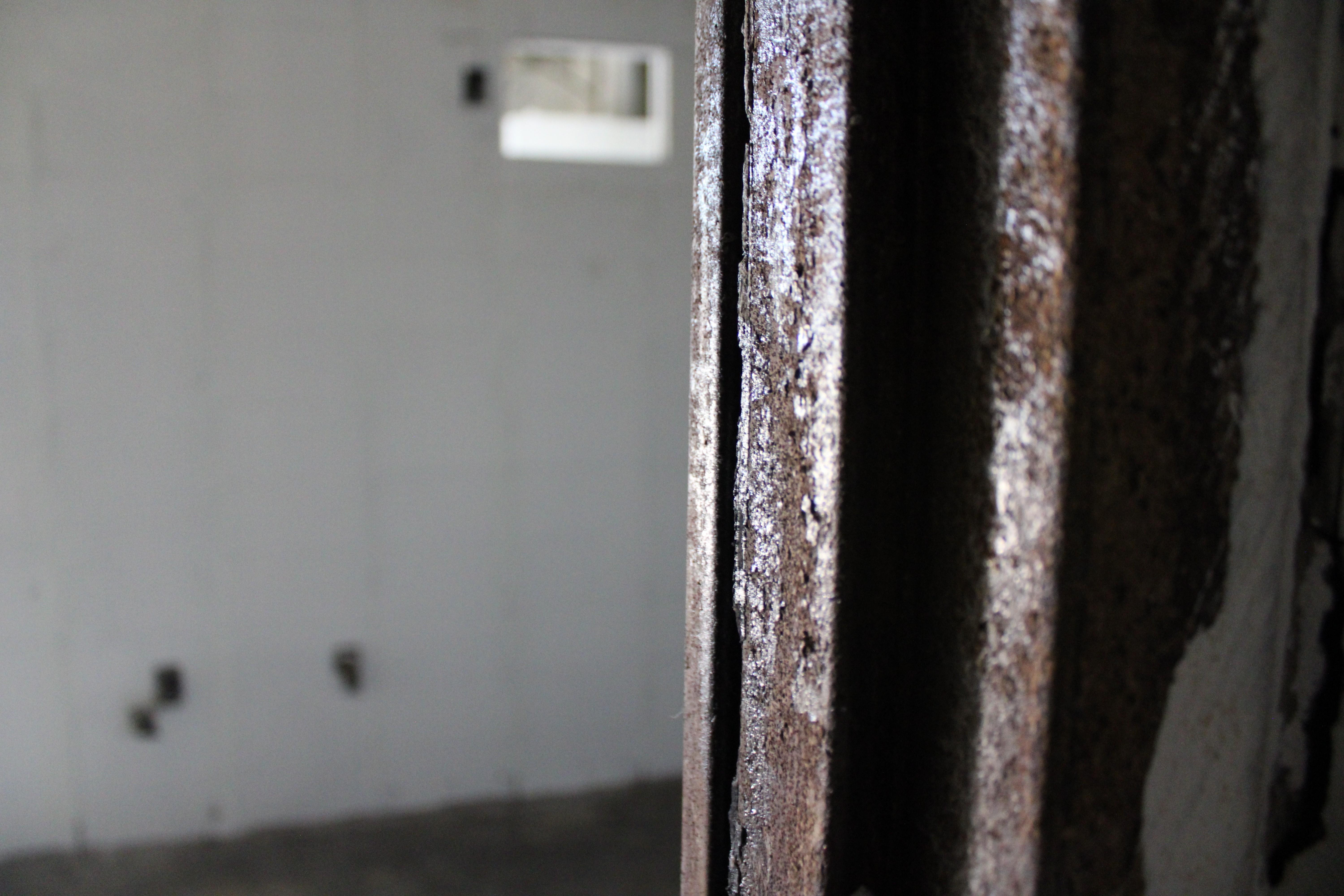
Doorways with no doors leading into barren rooms featured wood that had been charred by fire.

“For those of you who have been following the story, the rabbi's office is who was attacked in the 1967 bombing,” said Rachel Myers, a leader of the congregation’s religious school. “So this spot has been attacked twice.”

Filer image
The doorframe to the rabbi's offices are seen in April 26, 2026.
(Shamira Muhammad, MPB News)

Myers said the accelerant used to start the fire was so hot, it affected the ceilings throughout the building. 

“That's the reason why all of the ceilings needed to be taken out,” she said. 

Shemper suggested members of the media begin their visit to the synagogue in the room next to the rabbi’s office, the library. “The one with all the books,” he said, pointing to the now empty room.

In this room, Shemper shows where alleged arsonist Stephen Spencer Pittman, a 19-year-old from Madison, forced his way into the synagogue nearly four months ago. 

“The schmuck broke into this window with an ax,” he said, gesturing to a window now boarded up with plywood. The books, scriptures, and an ark that housed two Torahs were destroyed. 

“[He] came in, put accelerant over all these books and all the Holy scriptures over here, as well as the Torahs, and then proceeded into the area over there with the Tree of Life as well as the administrative offices,” said Shemper. “Poured gasoline all over everything, spilled it all on himself, lit it, hauled “tuchus” and went aflame. All of this went up in smoke.”

Surveillance video from that night shows a suspect using a blowtorch to light a fire after using an accelerant.

Members of the congregation held their first Shabbat service just over a week after the arson attack. Shemper said parts of their building remain structurally sound, while others will have to be completely redone. 

“All of the synagogues that were built in this time were basically like pre-Civil War forts,” he said. “There's no open windows, it's all a shotgun architectural design and the smoke and soot went throughout the building.”

Student Rabbi Ben Russell explained the moment he and the members of his congregation walked through the building earlier Sunday.

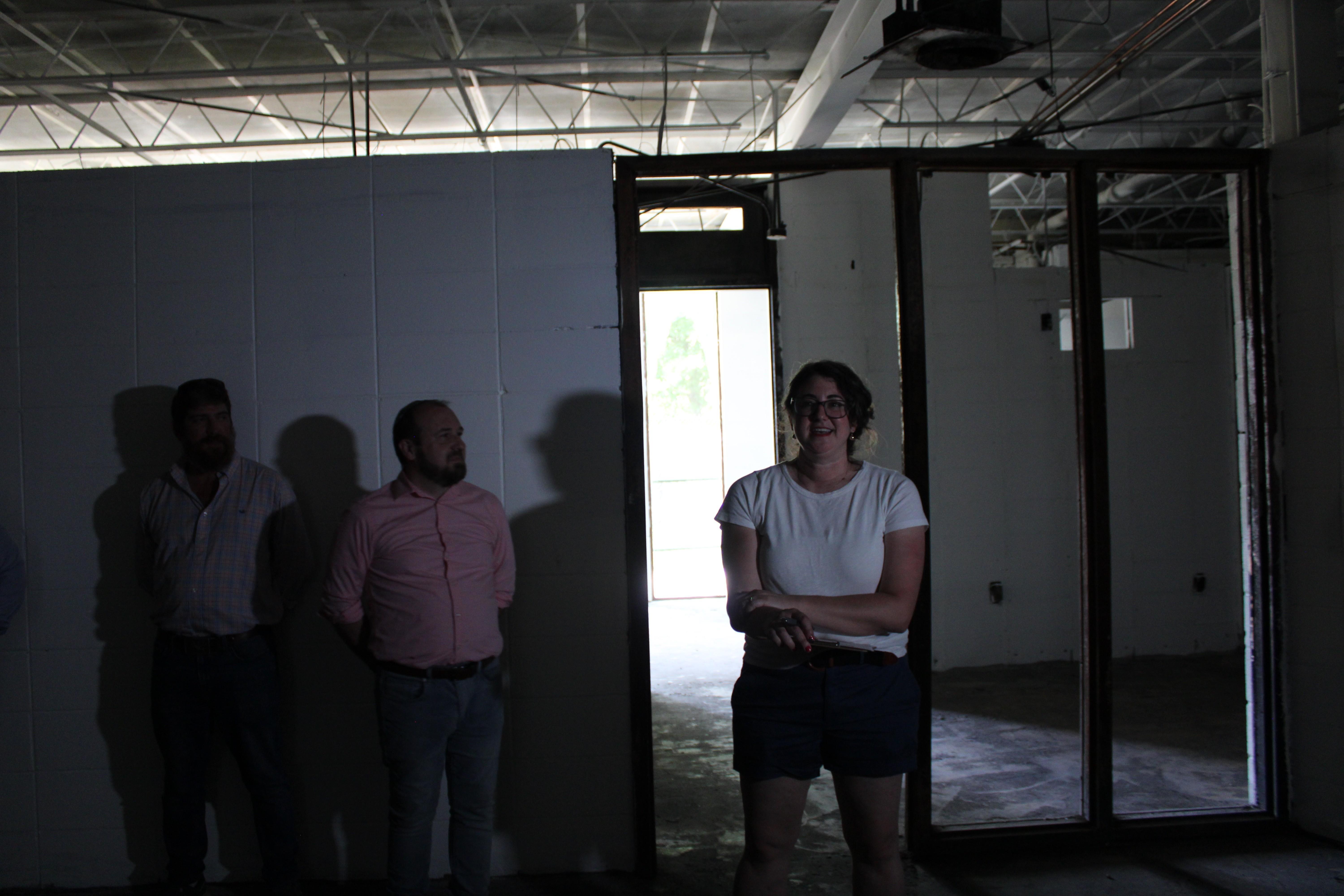
Filer image
Shemper, Student Rabbi Ben Russell listen as Beth Israel's religious school leader Rachel Myers describes plans for the temple April 26, 2026.
(Shamira Muhammad, MPB News)

“I think today there was a feeling of hope,” he said. “Yes, we were sad. It's hard to see the building missing a lot of the components that we're used to seeing. But there was also a level of hope that said ‘what can we reimagine for here?’ And so I think, just a little bit of closure, a little bit of grief but also watching that hope spring forward.”

Shemper said the synagogue has already spent roughly $2 million for asbestos removal and abatement  and air quality remediation. 

He isn’t sure how much the entire rebuild will be after accounting for insurance and unsolicited donations. In the meantime, he’s hoping additional features can add new life into the temple.

“Maybe a little bit more natural light, maybe another little area over here for a kibitzing area, like a spiritual area,” he said. “That's about it.”

Paintings and drawings from children of the temple’s religious school line certain hallways, including a cheerful image of a tree. 

Filer image
A young student's drawing is seen next to the outline of what was the synagogue's Tree of Life.
(Shamira Muhammad, MPB News)

“One of our students painted this tree and when he was here today visiting, wanted it to come right here in this spot because it's where our Tree of Life memorial plaque used to be, “ Myers, the religious school’s leader, said.

Pittman, the alleged arsonist, has been charged with federal and state level arson charges. His federal trial is expected to begin June 8. He has pleaded not guilty to the federal charges.

“People that justify such acts like this usually have life experiences that allow them to justify it,” said congregation president Shemper. “But the kid that did this, necessarily, was 19-years-old. He had no life experience. So that's not the case.”

Shemper believes the increase in anti-Semitic acts since the Israeli-Hamas war began can be attributed to ignorance.

“But one of the larger things that I see across the nation are people that are uneducated have a very tough time differentiating between what Israelis are to Jews, to Zionists” he said. “Those are all three very different things. So again, I think that one thing that we could do as a nation to help this scenario is educate. But who wants to listen?”

Shemper wants to keep what happened at Beth Israel active in the memories of people around the country. 

“One thing that I expect to do when this is over, when we have our new building and everything has slowed down to the extent of what I hope it will, then we'll go out and maybe share our story so it doesn't happen again,” he said. “Because when things like this happen, the only way to make sure that they don't happen again is to remember them. And to educate people. Because once people forget history, it tends to reoccur.”