The end of the government shutdown is likely near, with the Senate voting to advance a short-term funding measure.
As shutdown nears end, Mississippians continue to feel its impact


The end of the government shutdown is likely near, with the Senate voting to advance a short-term funding measure.

Elise Catrion Gregg
Furloughed federal employee volunteers while waiting to return to work
The shutdown, which is now the longest in U.S. history, has dragged on for over 40 days. This measure would reinstate federal employees fired as part of the shutdown and provide backpay to those furloughed or working without a paycheck.
But, it means that votes on Affordable Care Act tax credits are still being pushed until later. And, it's unlikley that those credits will be extended.
In the meantime, Mississippians continue to feel the effects of the shutdown -- and will likely still be grappling with its impact after government services resume.
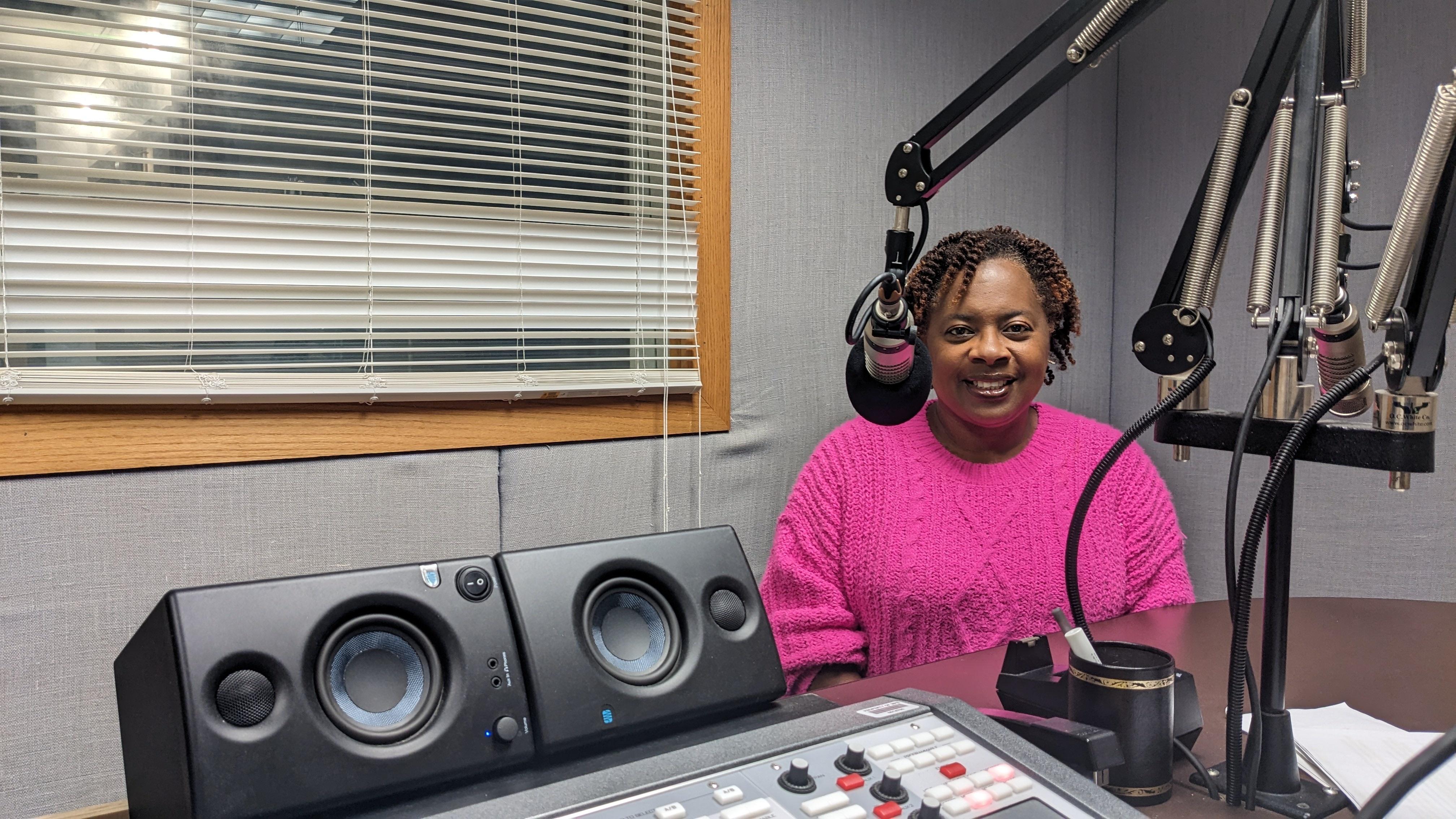
Joyce Robinson is one of those Mississippians. She's a furloughed federal employee, who says the last few weeks have been nothing short of stressful.
"It's not like I don't have any food in the house -- it's just the unknown, not knowing," Robinson said. "I haven't received a check in 40 days, that's like four paychecks that I have not received."
She herself has had to grapple with the challenges of the shutdown in very personal ways -- for example, trying to help support one of her children in college, all without a paycheck.
It's caused a lot of anxiety for Robinson and her coworkers, all of whom have had to keep a close eye on the news to know what's going to happen to them from day to day.
"We've never been this long and we've being getting paid all during the whole shutdown but this time is very different," she told MPB. "This is a new situation where we're not getting paid at all."
She said they remain optimistic about coming back to work soon, though. In the meantime, staying busy while she's away from her job isn't an option.
"It has been challenging," Robinson said. "I'm a person who is active."
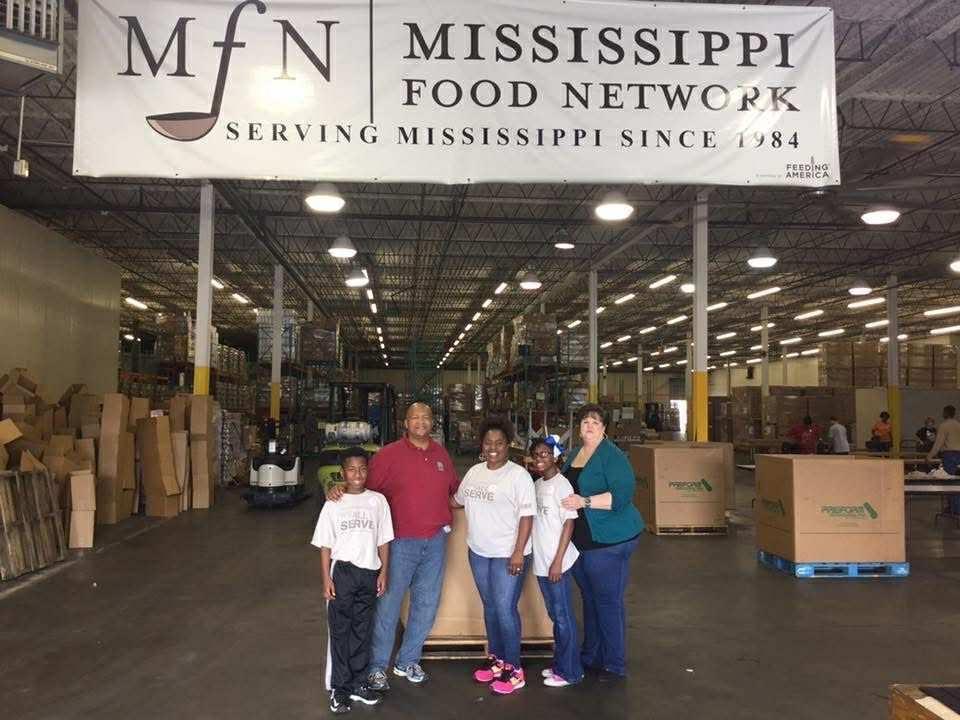
Robinson, a veteran and who has worked as a civilian with the National Guard for six years now, has been volunteering with the Mississippi Food Network during the shutdown.
"We have not been working for the last 40 days, and I just felt like giving my time back, doing something that's rewarding to me, made me feel like I was at work," she said.
Volunteering has always been important to her and her family -- she says it's a connection to the community.
"You never know: we all are one breath away from being in the food lines ourselves," she said.

One of the focal points of the shutdown has been the delay in delivering SNAP benefits to recipients. Over the weekend, a federal appeals court ruled that the Trump administration could be forced to pay out full assistance.
But that order is on hold due to an earlier order from U.S. Supreme Court Justice Kentanji Brown Jackson, who granted a temporary order in response to the administration's appeal on full payouts, allowing them to further delay SNAP.
And, states who went ahead in delivering full funding are having to figure out what to do after the U.S. Department of Agriculture said payments were "unauthorized" and could mean states will have to "undo" moves to fully cover SNAP -- meaning states could be held liable for benefits given out.
And, late Monday afternoon, Mississippi announced that its Department of Human Services would give out up to 65% of November SNAP benefits starting on November 10.
Anyone who usually gets that assistance before the 10th of the month could see that partial assistance as early as Nov. 10, while other recipients will get those benefits on their regular date.
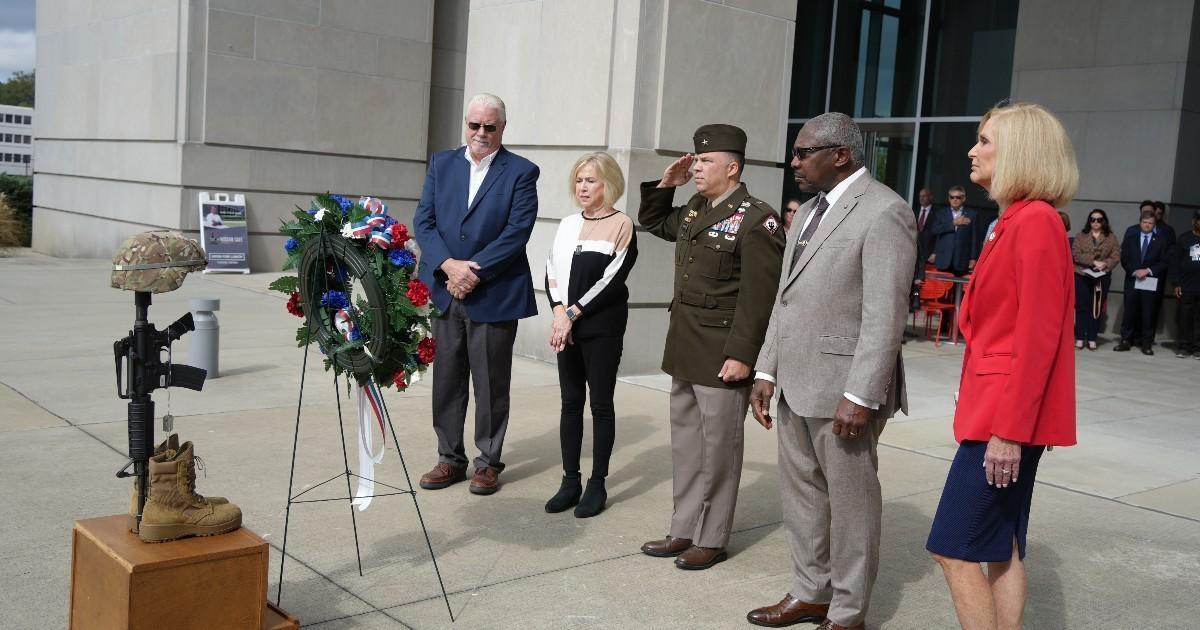
Earlier last week, Congressman Bennie Thompson urged the federal government to comply with judge's orders to fully fund SNAP.
"The judge has ruled that the money is there: we should not have people with benefits from SNAP not having those benefits," Thompson told reporters in Jackson. "The money is available. I can't say when it will come, but clearly the judges ruled."

The back-and-forth on SNAP funding has left over 350,000 Mississippians without benefits.
Governor Tate Reeves said that he's not able to fund SNAP beneficiaries the same way that Louisiana Governor Jeff Landry endeavoured to through state funds that were ultimately withdrawn after promises of federal assistance.
"The governor of Mississippi doesn't have that authority," Reeves said a press conference earlier this month. "That's why it is so important to our people that are dependent on SNAP that the government gets back open."
In Alabama, Governor Kay Ivey allocated $2 million of state money to Alabama food banks.
Earlier this year, Reeves said he could -- and would -- fund state agencies when the state budget was stalled during the legislative session. The federal SNAP program in Mississippi is operated by the state's Department of Human Services.
Thompson said it's exactly those frustrations, with things like groceries and healthcare, that gave Mississippi Democrats a boost during the state's special elections.
"You go to a grocery store, you come out mad because you're able to buy half of what you bought the month before," Thompson said. "That's because of the tariffs and the other things that this administration is putting on its people."
MPB reached out to Mississippi's senators for comments on the election. Their offices have not yet responded.