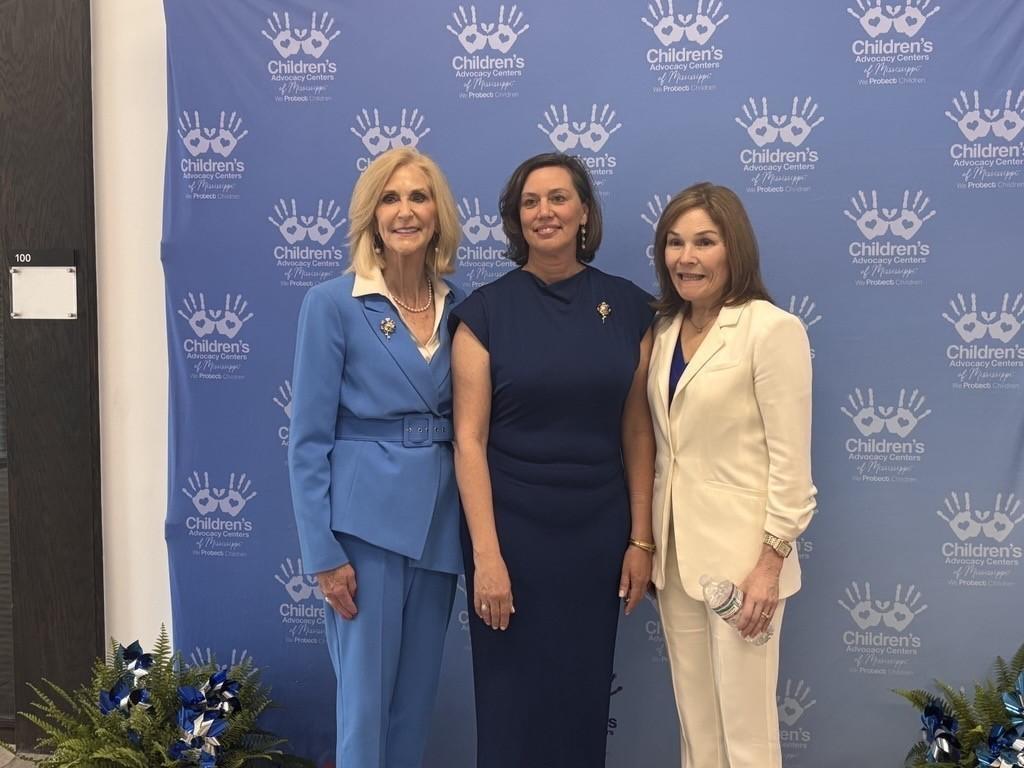
Karla Steckler Tye, CEO of the Children’s Advocacy Centers, said the program helps bridge the gap between the classroom and real-world response.
“CAST and the Child Advocacy Training Institute is how Mississippi is answering that call,” she says. “Together these efforts are streamlining Mississippi’s child protection system from the classroom to the front lines. Mississippi is demonstrating a commitment to getting it right for every child, every time.”
According to the Children’s Advocacy Centers of Mississippi, 52 percent of the children they served were sexually abused and 35 percent were physically abused. The CAST model helps prepare students and new workers for what they may encounter when entering a potentially unsafe home.
So far, 36 state investigators have completed the simulation training.
Andrea Sanders serves as Commissioner for Mississippi Department of Children Protection Services. She said the plan is to have every employee at the agency trained.
“Our goal with all of these efforts is to recruit people are first of well suited for the work,” said Sanders. “And want to be in this field and then to also further prepare them before they get of the college environment. Then when they come to work for us, we train them even more. So you cannot get enough training.”
Sanders said the training center in Jackson has been convenient for her department. She said employees have offered positive feedback and consider it the most valuable thing they’ve done at the agency.
Attorney General Lynn Fitch and child advocates say this collaboration is essential. Fitch notes that simulations prepare workers for the reality of trauma, giving them the skills to better engage with children in crisis.
“To be able to have that opportunity to learn, to experience that simulation, whether it’s the bedroom, whether it’s the living room, whether it is the classroom, the courtroom. Having that hands-on, actual feel and investment in that environment is extremely important as they move forward. Experience it and then give that feedback and then we can go to continue to protect our children.”
Fitch also addressed the Walker Montgomery Online Protecting Children Act, recently passed by the Legislature. She says the law will help prosecute sextortion cases involving children and will require social media companies to verify children’s ages in Mississippi.
“If you harm these children, you need to get ready to mitigate damages,” said Fitch. “So, if you’re a good corporate citizen, you should do that every time. Well, they didn’t they sued us on day one. We’re fighting the good fight, we’re going to win to protect our children. But that just shows at what angle and at what cost they will go to get our children. It’s always about money for them.”
The Attorney General’s Office received 15,000 tips last year on cybercrimes involving children. Fitch says her office will continue working to protect victims of online exploitation.
Tye says the CAST approach is meant to change how the child‑protection workforce is built. She says all three agencies involved are working together to protect children. Nearly 2,000 students and professionals have completed simulation-based training at the institute.