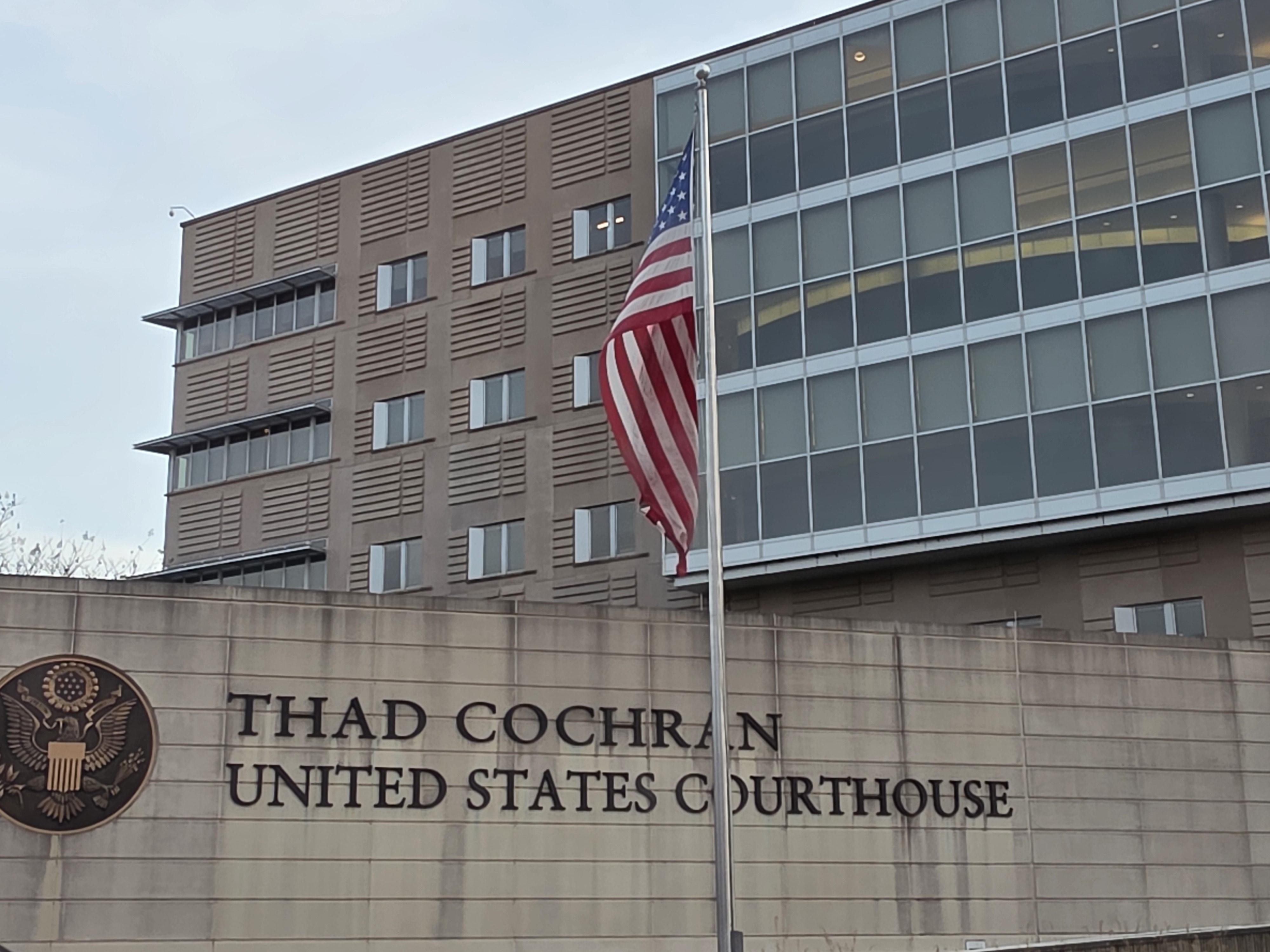
In 2025, Mississippi lawmakers passed House Bill 1193 in 2025 restricting DEI programs that Republican supporters said are divisive and harmful to educational opportunities. When a lawsuit was filed by the ACLU and Mississippi Center for Justice, District Judge Henry Wingate signed an emergency order blocking the law from going into effect.
The emergency order was later found to contain numerous errors. According to the appeals court, Wingate admitted that a law clerk had used artificial intelligence to draft an earlier version of the order that was filed by mistake. The original order was taken down and modified. Later, it was replaced with a preliminary injunction that blocked the law until the federal appeals court addressed it last week.
The 5th Circuit vacated the preliminary injunction and sent the case back to federal court for further proceedings. The court said the new law does not apply to students and includes exceptions for scholarly research, creative work and group activities. Joshua Tom, legal director of the ACLU of Mississippi, said it was a good step but not enough.
“It says that the law does not, importantly, apply to students,” Tom said. “It doesn’t apply to creative work; it doesn’t apply to scholarly research. You know, I think that those carveouts, those sections that the 5th Circuit has said this law does not apply to, are important for everyone to understand.”
The appeals court also criticized errors tied to the use of AI in Wingate’s emergency order.
In the ruling, the court said, “The seemingly corrected TRO did not explain how or why the factual inaccuracies were not necessary to the reasoning of the original TRO.” The appeals court also found the preliminary injunction lacked thoroughness.
The judges have sent the case back down to the federal courts of the Southern District of Mississippi with the requirement that further arguments are heard by a different judge.
Matt Steffey, a law professor at Mississippi Christian University, says the case has become a cautionary tale for students and legal professionals using AI tools.
“As I tell my students, when you sign the brief you are vouching for, and putting your professional reputation, and your clients' interests on the line for every factual and legal statement made in it,” Steffey said.
Attorneys with the ACLU of Mississippi say they will continue to challenge the law, even while it’s in effect.