Mississippi could stand to receive $500 million over the next five years if the state’s application is approved. The state may receive additional funds from a grant-based portion of the program.
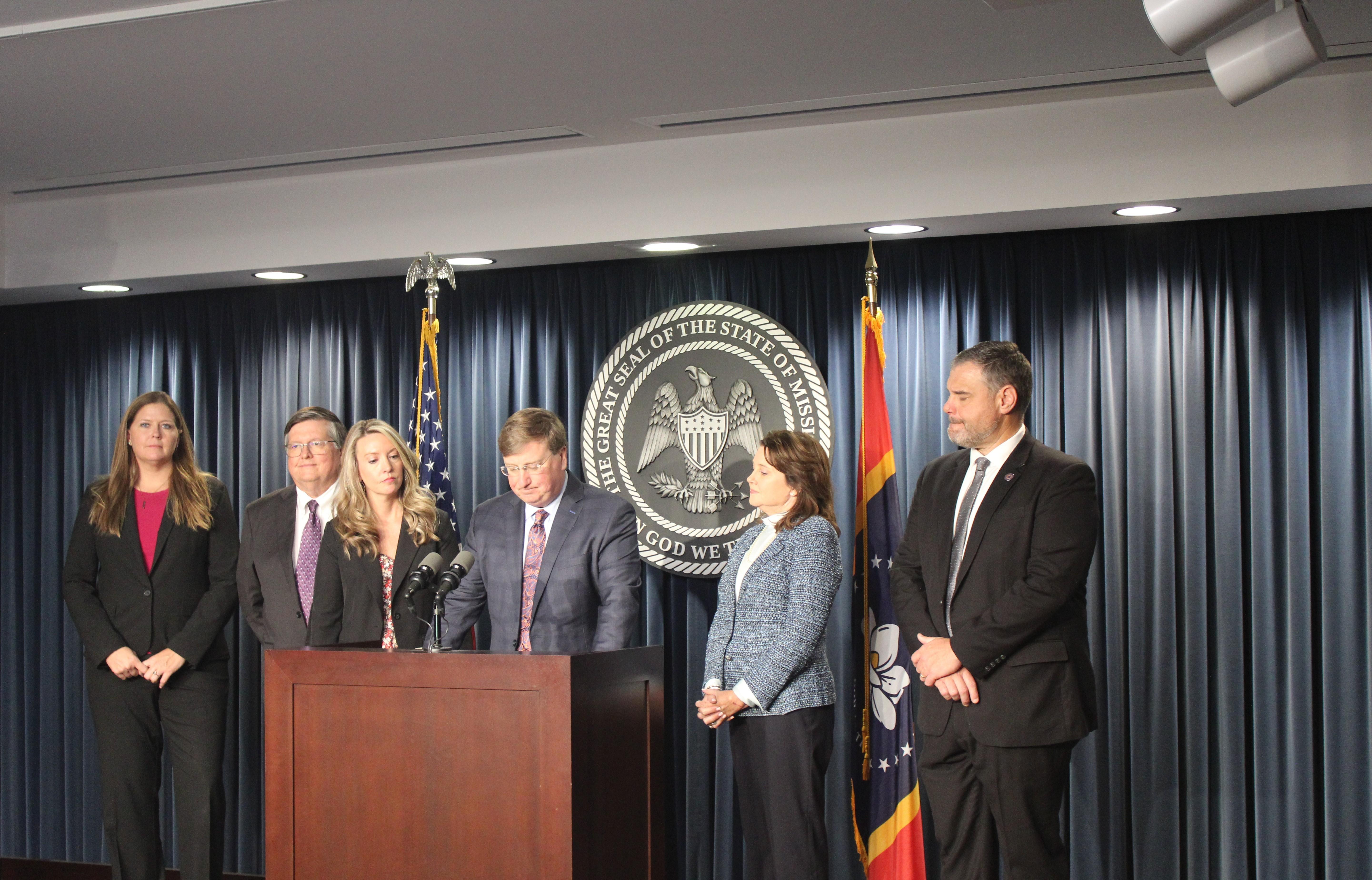
“Mississippi is ready to implement the plan with accountability, with transparency and with results-driven oversight,” Governor Tate Reeves said. “Every dollar invested will be focused on improving health care and patient outcomes for rural Mississippians, strengthening our rural health workforce and ensuring sustainable access to care for the people who need it most.”
The Governor's office will lead the oversight and coordination of the Program with the assistance of the Mississippi Department of Health and the Mississippi Division of Medicaid. Reeves says the state’s plan is made up of six initiatives, including a third-party long- and short-term rural health assessment and workforce expansion plans.
“It is a tremendous opportunity to make a real impact on the lives of Mississippians, particularly those living in rural communities throughout our state,” he said. “While Mississippi has long faced challenges in delivering access to quality health care in rural areas, our plan is designed to address those challenges.”
The governor says his office received more than 140 responses from medical stakeholders across the state, including public health workers, legislators and members of the public.
Reeves says a third-party organization will track milestones and evaluate outcomes of Mississippi’s program. Many rural communities in the state are contending with major health issues, including ongoing maternal health issues.
“It is a major challenge,” Reeves said. “It is one that we have to do everything we can to ensure that more people, particularly in the Mississippi Delta, have access to labor and delivery units. As we go forward with these federal funds, there'll be serious conversations around what we do as a state to make it easier for individuals, particularly in the Delta, to get to a labor and delivery unit.”
According to the Mississippi Maternal Mortality Report, 83% of recent maternal deaths were preventable. The state currently has the highest rate of infant deaths in the country, with most occurring within a baby’s first month of life.
Advocates and health experts, including State Health Officer Dr. Dan Edney, recently testified that low birth weight and other factors contributing to the infant mortality crisis are directly linked to adverse maternal health outcomes, especially for Black women.
In response to a question regarding the impact this issue has on rural healthcare, Reeves says while the state is seeking labor and delivery solutions, the government cannot solve all of the state’s health care challenges.
“A lot of our health care challenges in Mississippi and across America are driven by individual choices,” he said. “We need to do a better job educating our people about the risks that come with pregnancy and other things. I'm certainly hopeful that we can utilize this group of funds along with some of the conversations that have been ongoing both with policy makers in the legislature and in the executive branch to try to put a major dent in those very, very poor statistics that we have.”
The “Big Beautiful Bill” is expected to reduce federal Medicaid spending by more than $900 billion over the next ten years, according to KFF. CMS, the federal agency charged with overseeing the rural health fund, may not require states to publish how money is spent.
“With respect to the plan becoming public, we're going to work with CMS,” Reeves said. “We're going to make sure that we adhere to what their framework is and their guidelines are and really figure out exactly at which point we can make certain pieces of it, or all of it, completely available.”
Governor Reeves says he expects award decisions to be made by December 31.