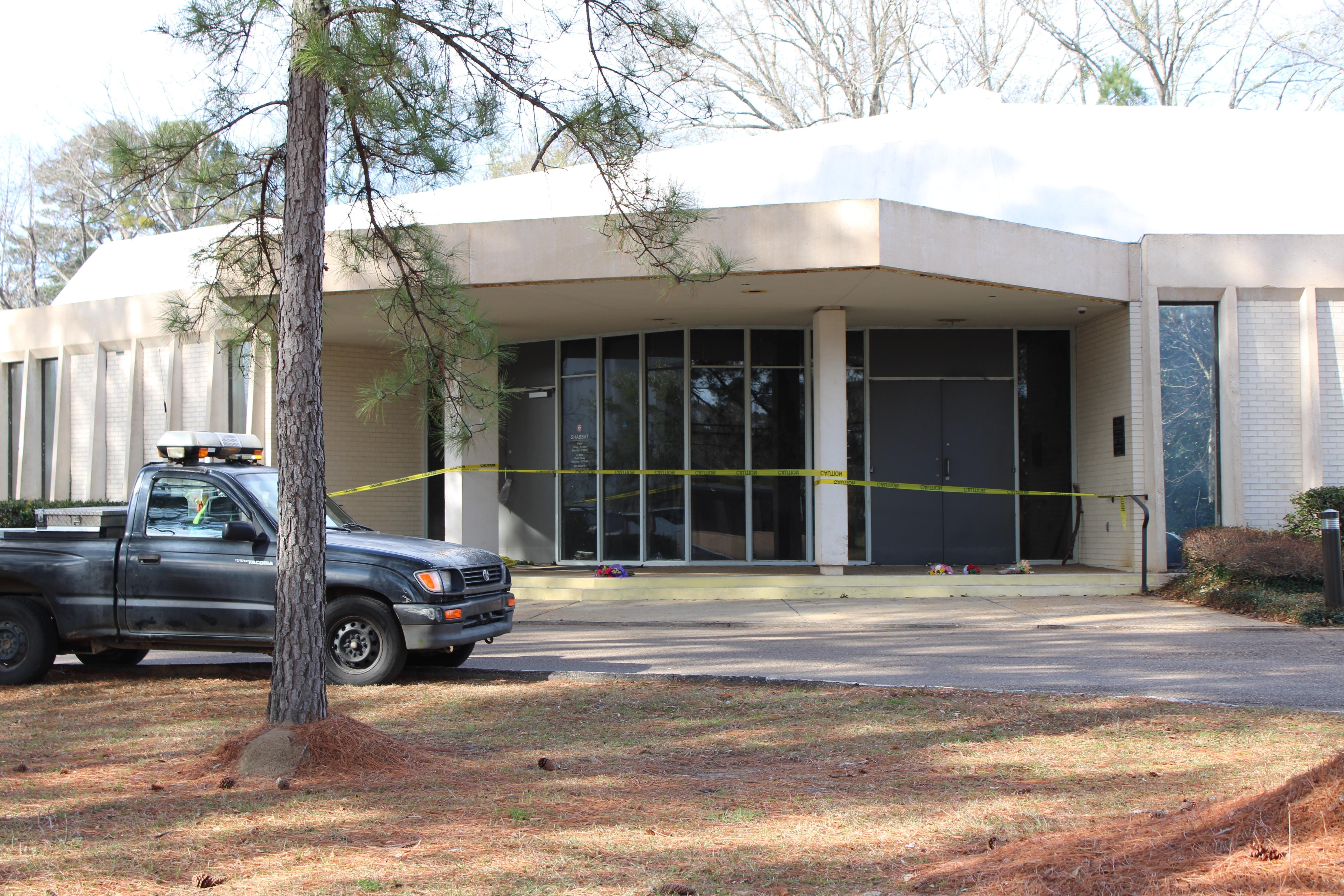
Documents also show text messages alleged to have been sent from Pittman to his father, who is referred to as S.P. within the affidavit. A text stating “there is a furnace in the back” was sent with a photo of the synagogue building and other texts: “BTW my plate is off,” “Hoodie is on,” and “they have the best cameras.”
Zach Shemper, president of the Beth Israel Congregation, spoke to MPB the day before the hearing.
“You can do as many preventative measures as you want to, but if somebody wants to hurt a person or a people, they're always going to figure out a way,” he said.
The FBI also claims that location data from Pittman’s Life360 app show traveling to buy gasoline before heading to the synagogue.
According to court documents, when he was confronted about burns on his ankles, hands and face after returning home, he laughed as he described the arson. His father contacted the FBI.
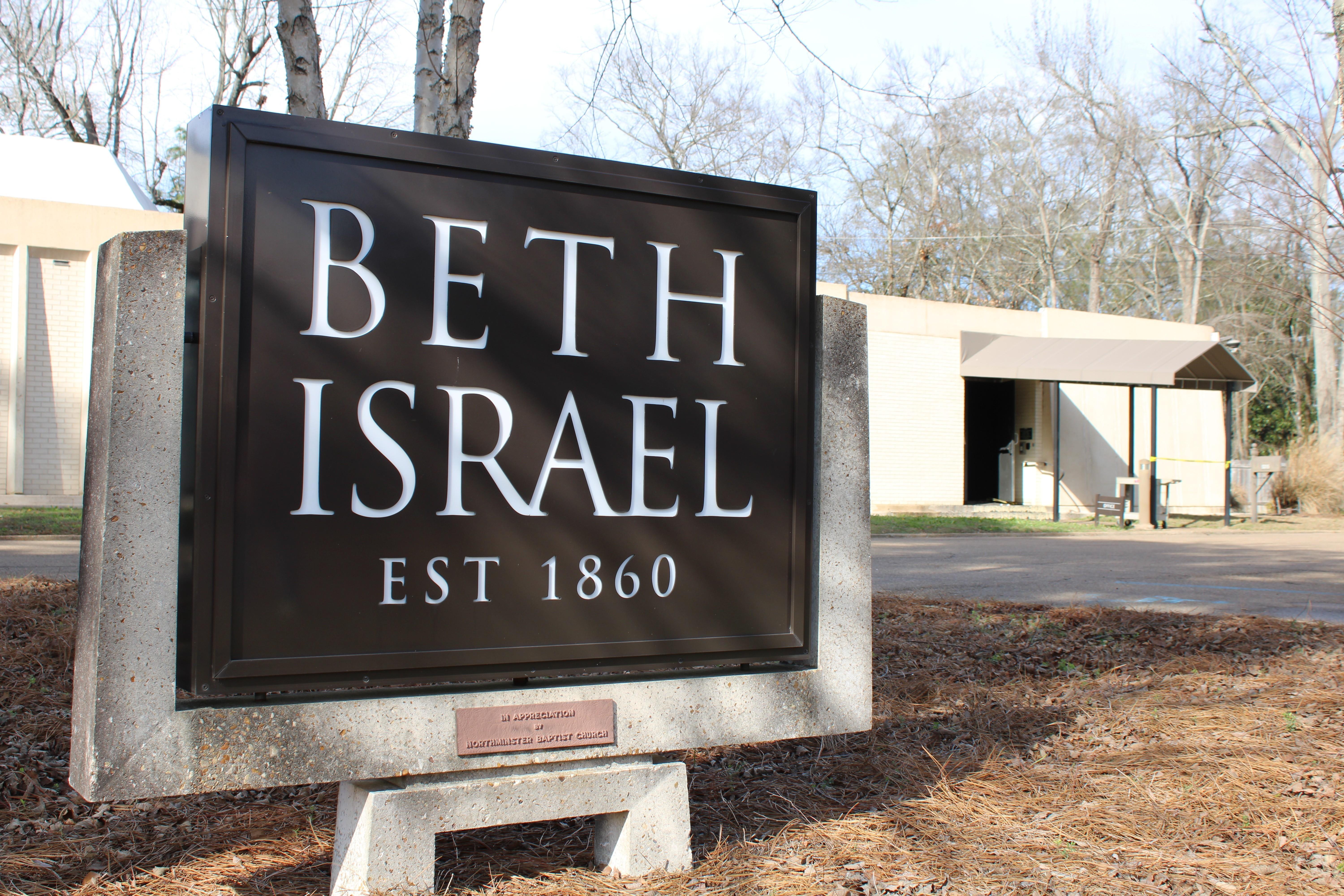
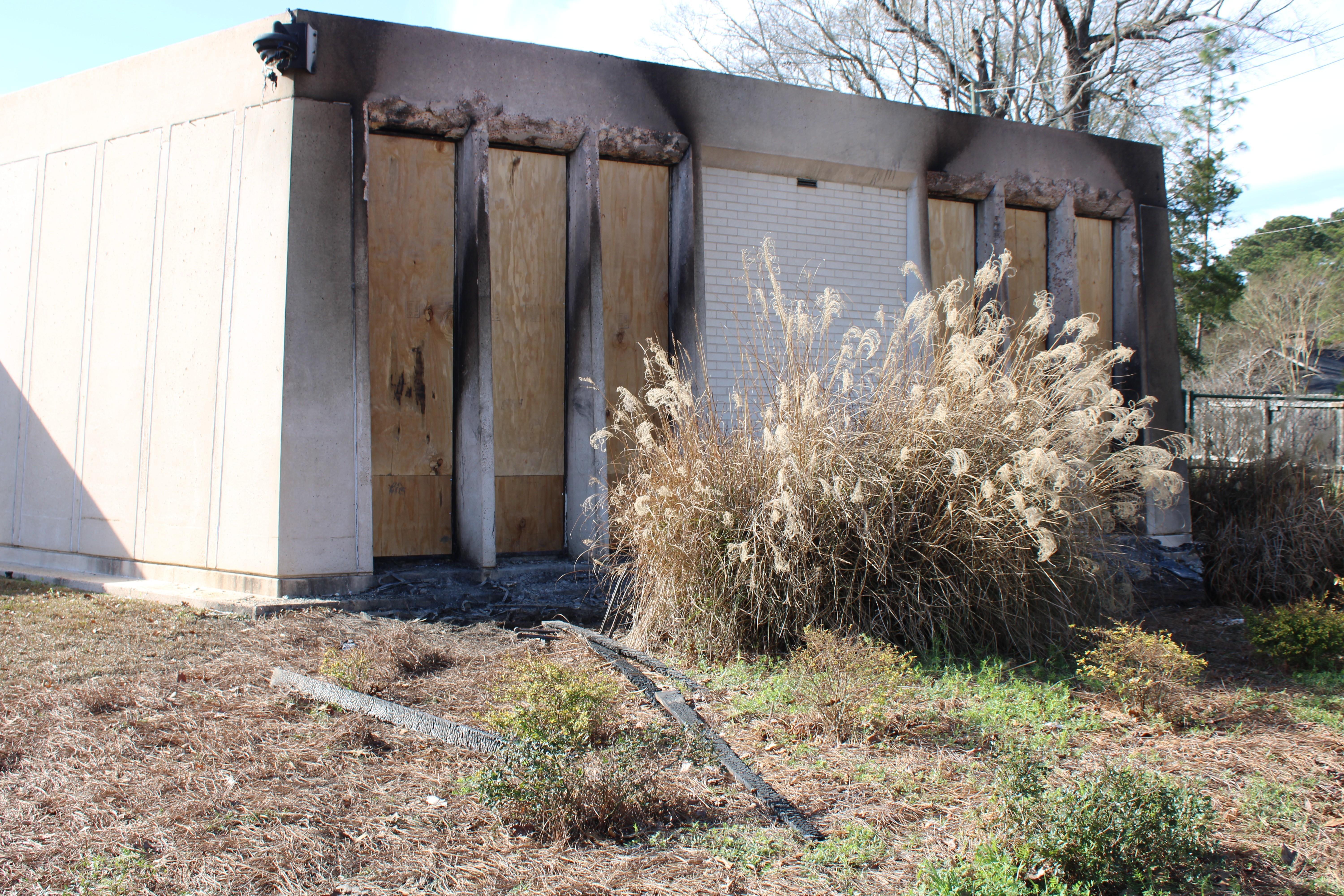
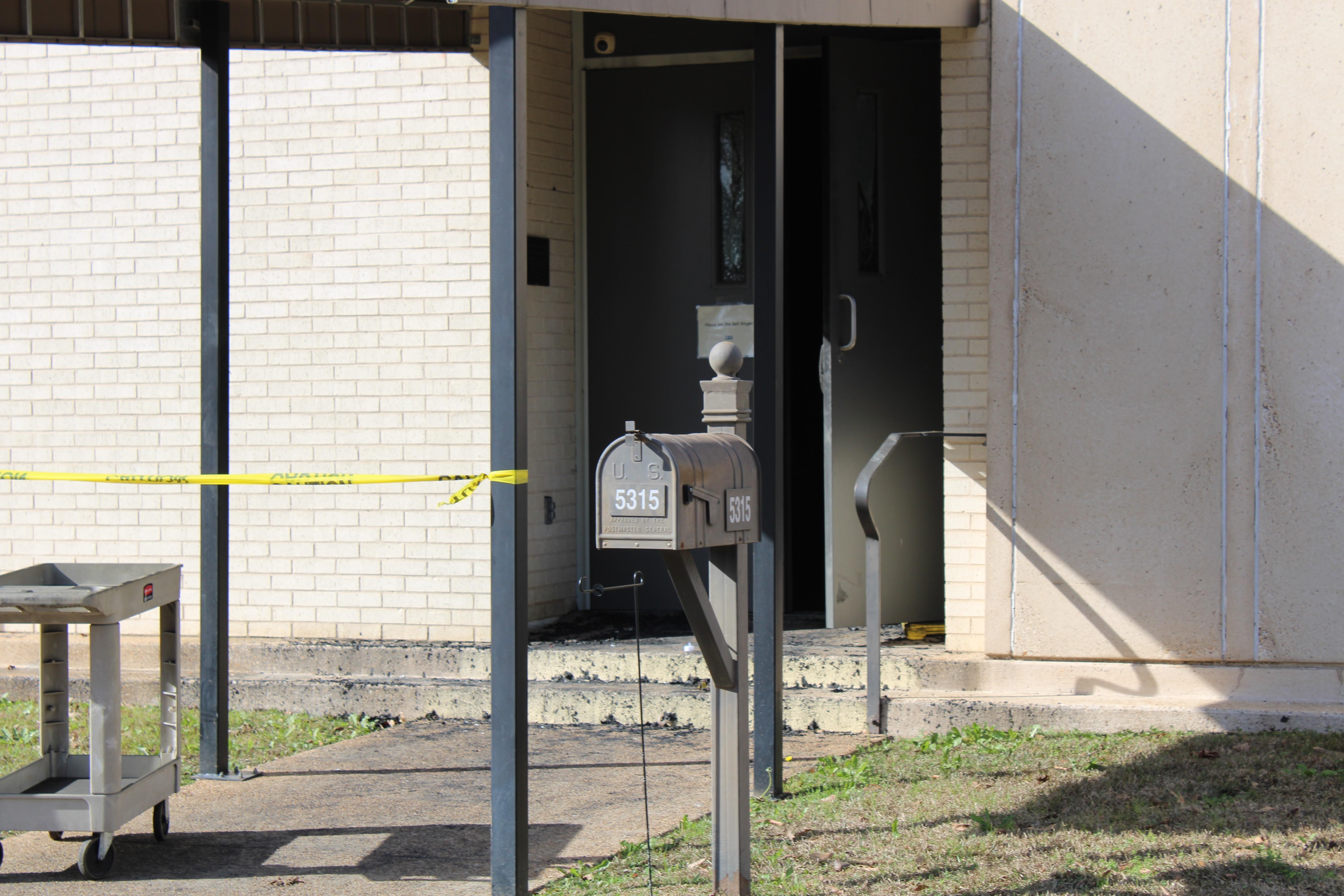
The smell of smoke still lingers around Beth Israel.The building was not completely destroyed but it is completely unusable. The synagogue’s library was left burned beyond recognition. Soot stains surround the windows, which are boarded up with plywood.
At least two Torahs were consumed by flames. Another that survived the Holocaust was spared thanks to its glass case.
When the judge asked Pittman if he understood his rights during the initial hearing, he responded “Yes sir, Jesus Christ is lord.”
MPB was unable to reach his public defender for comment.
Reverend Les Hegwood is with St. Philips Episcopal Church - a church directly across the street from the temple that supported this synagogue when it was firebombed in 1967.
“I had a member today come in who was here in 1967, and that even back then we were coming to the aid of our neighbors and supporting them in that,” he said.
In the early morning of the weekend, Hegwood said he had hoped the fire was not anything more than a tragic weather event.
“Saturday morning I got a call from a friend who is a member there, asking to help with some of the investigation,” he said. “We both were praying that it was lightning because of the storms that had come through that night. You know, unfortunately, those prayers weren't answered. It became clear that it was a malicious act.”
Hegwood, who grew up just over a mile from Beth Israel, said the attack made him angry, but he felt the call to pray for Pittman and his family.
“I don't know anything about that young man except what I would say about any human being and that is that he carries the same spark of the divine within him as we all do,” he said.
Bar Mitzvahs, annual bazaars at the synagogue and other celebrations were a part of Hegwood’s routine growing up, he said. Beth Israel was an important part of the neighborhood and the wider faith community in Jackson.
“I think we're going to be in a rotation with some other houses of faith that have partnerships with Beth Israel to support regular worship, the programming of the synagogue, learning, study, prayer, whatever it is that they need,” Hegwood said.
Pittman was an honor roll student at a St. Joseph Catholic school in Madison. He also attended Coahoma Community College where he played baseball.
According to reporting from the Clarion Ledger, Pittman uploaded a photo of himself to Snapchat in the hospital.
On Monday, Mississippi Governor Tate Reeves said in a statement, “this heinous act will never be tolerated, and the perpetrator should face the full and solemn weight of their actions.”
Rev. Hegwood said despite Mississippi’s complicated history, the fire still came as a surprise.
“We have a checkered past in regards to, when I say we, I mean Mississippi, the southeastern United States, as far as being on the wrong side of justice,” he said. “However, I had someone say to me today that was from somewhere else, you must see this a lot. And I would say no, I do not.”
Additional federal charges may be filed at a later date. Pittman is expected to be released from a local hospital Wednesday, January 14.
He is due in court next week.