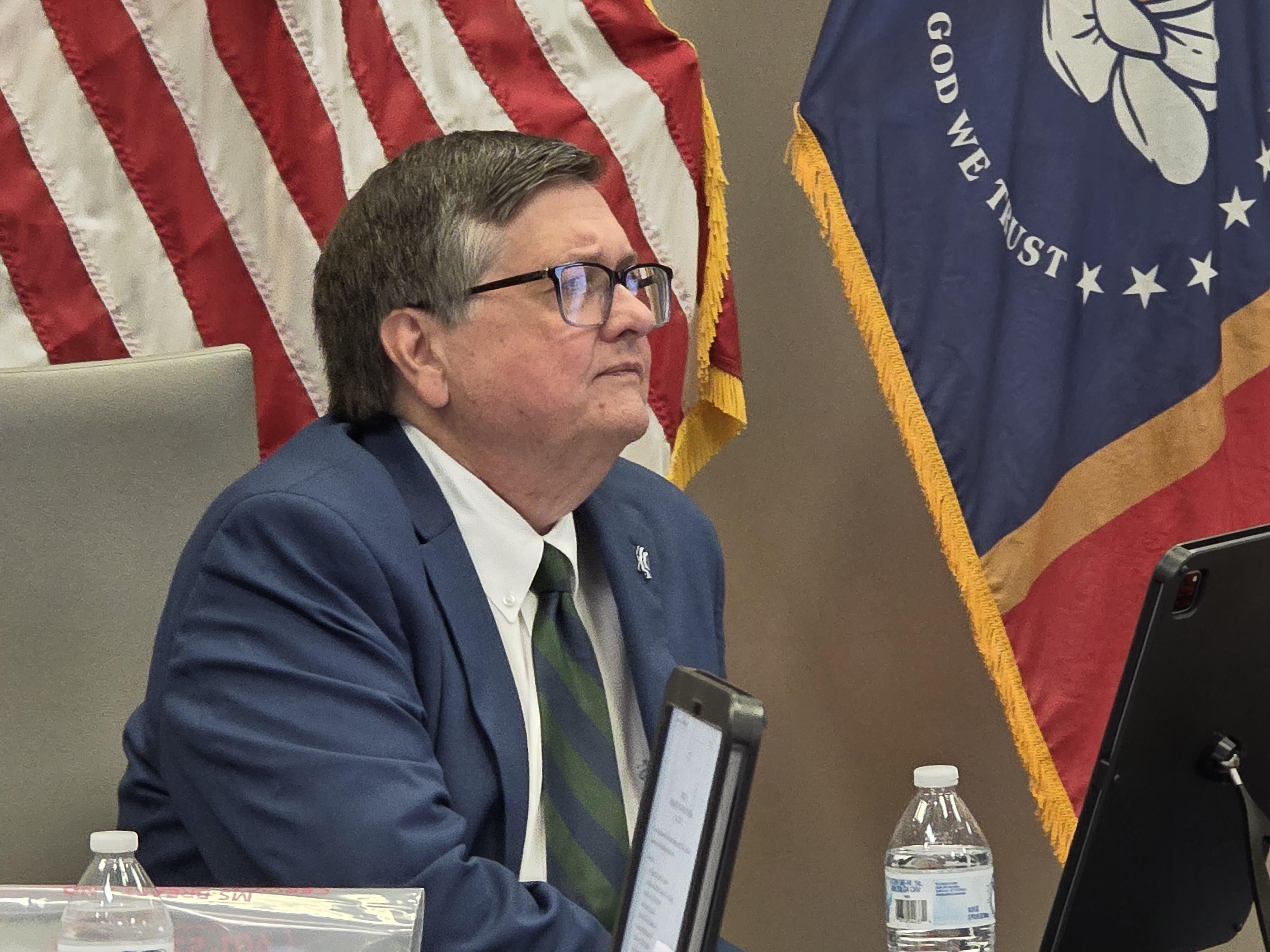
State Epidemiologist Dr. Renee Dotson shared data with the State Board of Health during a meeting on Wednesday.
She noted that the state “Had a minor [flu] outbreak prior to our reporting season up in DeSoto County that has since been resolved and closed. We’re starting out the season with the CDC listing our risk as very low. But the activity is climbing.”
When temperatures begin to drop, more events are held indoors and those crowded areas increase the risk of disease transmission. State Health Officer Dr. Dan Edney says every year, the state can expect cases to climb throughout November and during the holiday season.
“Which is why we want people getting vaccinated now, even though there’s not a lot of activity, because we need your antibodies to build and be present by the time the wave hits us late November and December,” said Edney. “If you take it too soon, then those antibodies will stop, and the spring wave will get you. So getting it right now; primetime.”
October is also Breast Cancer Awareness Month, and health officials are highlighting a program that gives uninsured people access to screening and treatments. Each year, roughly 2,500 Mississippians are diagnosed with breast cancer, and 400 die from the disease.
Amy Gibbons, director of the Breast and Cervical Cancer Program, said the goal is simple: expanding access and improving outcomes.
“Ultimately, our goal is straightforward,” said Gibbons. “To help more Mississippi women access screening, detect cancer earlier, and receive the follow-up care they need. Early detection can save lives, and through continued collaboration, we can make a meaningful difference in the breast cancer burden across Mississippi.”