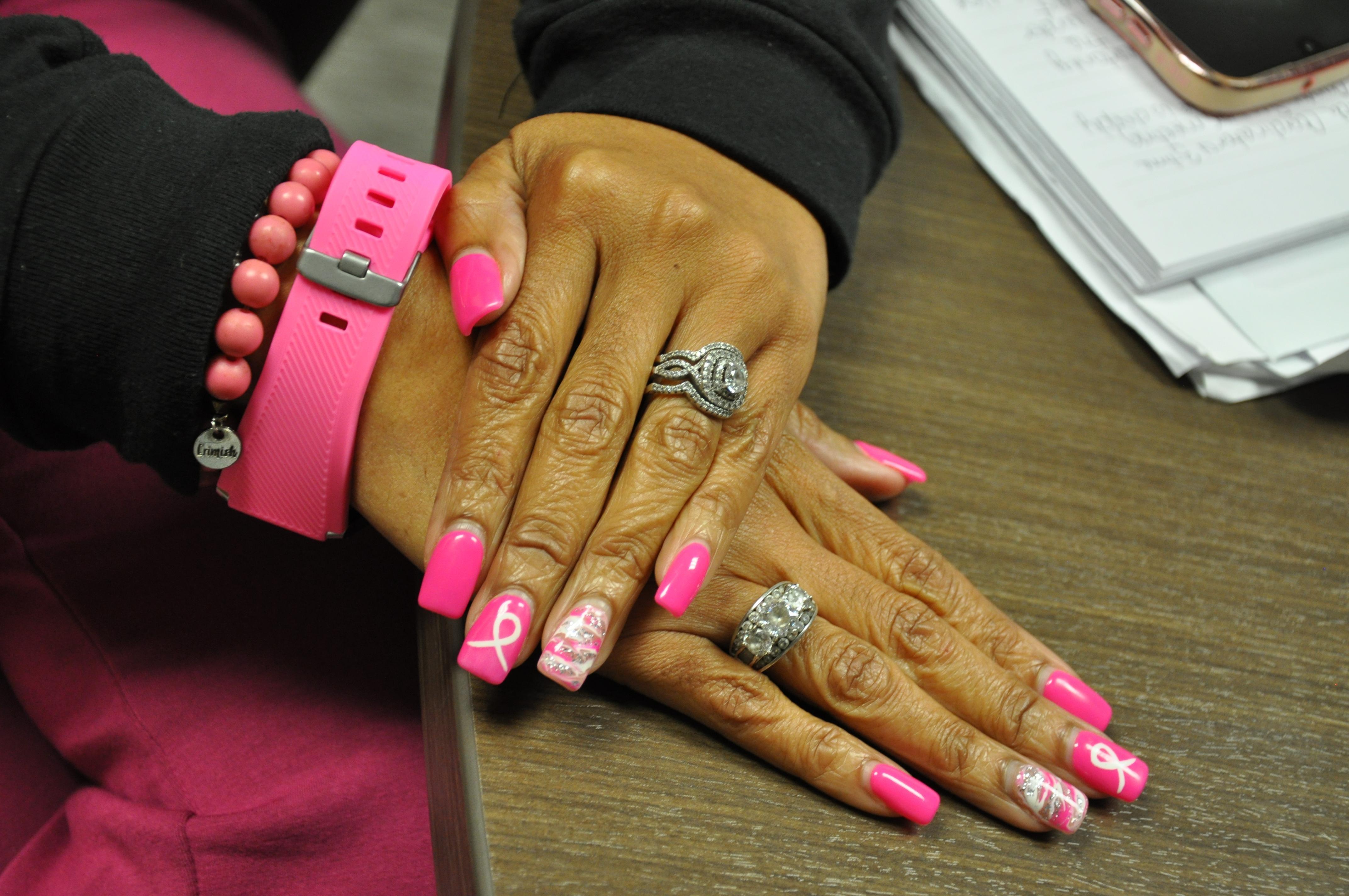
Lula Gatlin is a three-time breast cancer survivor and outreach coordinator for the Breast and Cervical Cancer Programwith the Mississippi Department of Health. After first being diagnosed with the disease in 2014, her story has become one she shares with other women in hopes of encouraging them to better care for their health.
“As women, we wear many of hats. We work, we go home, you have children, you have husbands, you have to take care of everything else before you take care of yourself,” Gatlin said. “I find that we lack with that... if you get sick, who's going to take care of you? So, I want women to, for once, finally, take care of themselves.”
Gatlin said that she got a mammogram every year to stay on top of her health. In 2014, her tests came back normal, but she said something still felt off. A month later, she was diagnosed with ductal carcinoma and underwent 32 rounds of radiation treatment and surgery to remove the cancer.
Then, in 2016, she was diagnosed again with another type of breast cancer. Gatlin had been getting her screenings every six months and said she felt nothing; her doctor was the one to point it out.
“I get a call [from my doctor]. ‘Ms. Gatlin, have you noticed anything with your right breast?’ No, sir. ‘You have not been hurting?’ No, sir. ‘Ms.Gatlin you have a mass the size of a baseball. We need to have a biopsy done.’ So and I'm saying to myself, what? And I didn't feel anything. No pain, no nothing,” Gatlin said.
For the second time, Gatlin underwent chemo and radiation treatment. Now after her third diagnosis came in 2025, she is currently undergoing treatment.
“... This time it has been the hardest time for me. It has really just been hard on me. Not just necessarily the treatments, but physically and mentally. It has been tough,” Gatlin said. “Sometimes it takes a lot for me to just to coach myself, and try not to get emotional, to get out of bed, to come to work.”
Now, Gatlin shares her story with women across the state to encourage them to get screened before cancer takes them by surprise. She said doing outreach in Mississippi is more than a job.
“This is something near and dear to my heart because to me, it's not just going out passing out brochures, it's just not going out meeting the women. I'm somebody that can relate to them on what it is that they're going through and letting them know that there’s resources,” Gatlin said.
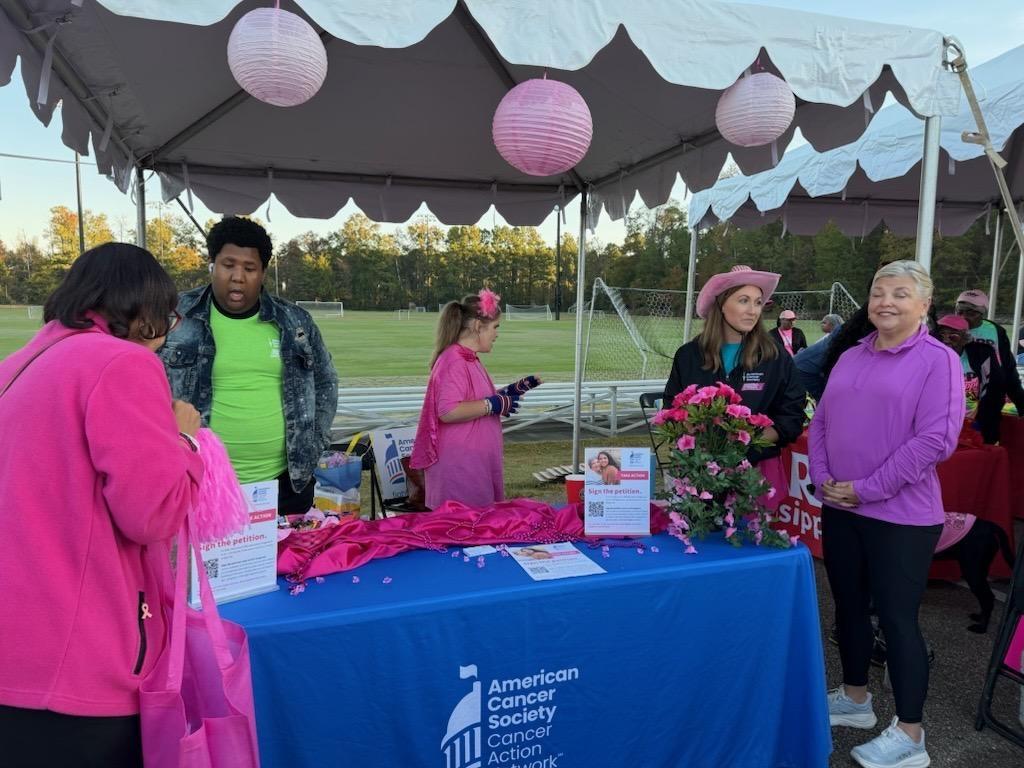
State health officials, non-profit organization groups and health advocates have been hosting events and educating Mississippians during Breast Cancer Awareness Month.
From the outreach work she’s done, Gatlin said the Delta region is the most impacted. She says some women don’t want to get screenings for breast cancer, either due to lack of knowledge about how screenings work or community influence.
“I think it's a lack of knowledge, I really do. The majority of the women that's there, they're black. And if grandma didn't tell me to go, then they’re not gonna go. That's the mindset that a lot of them have,” Gatlin said. “But I really think it is a lack of knowledge and education because cancer treatments is not like it used to be 20 years ago.”