The bill, titled the “Mississippi Education Freedom Act,” is more than 500 pages long and bundles together school choice proposals with changes to public-school transfers, charter school law, testing requirements and district consolidation.
Supporters say the bill would give families educational options they do not currently have. Critics warn it could weaken public schools and fail to serve students with the greatest needs.
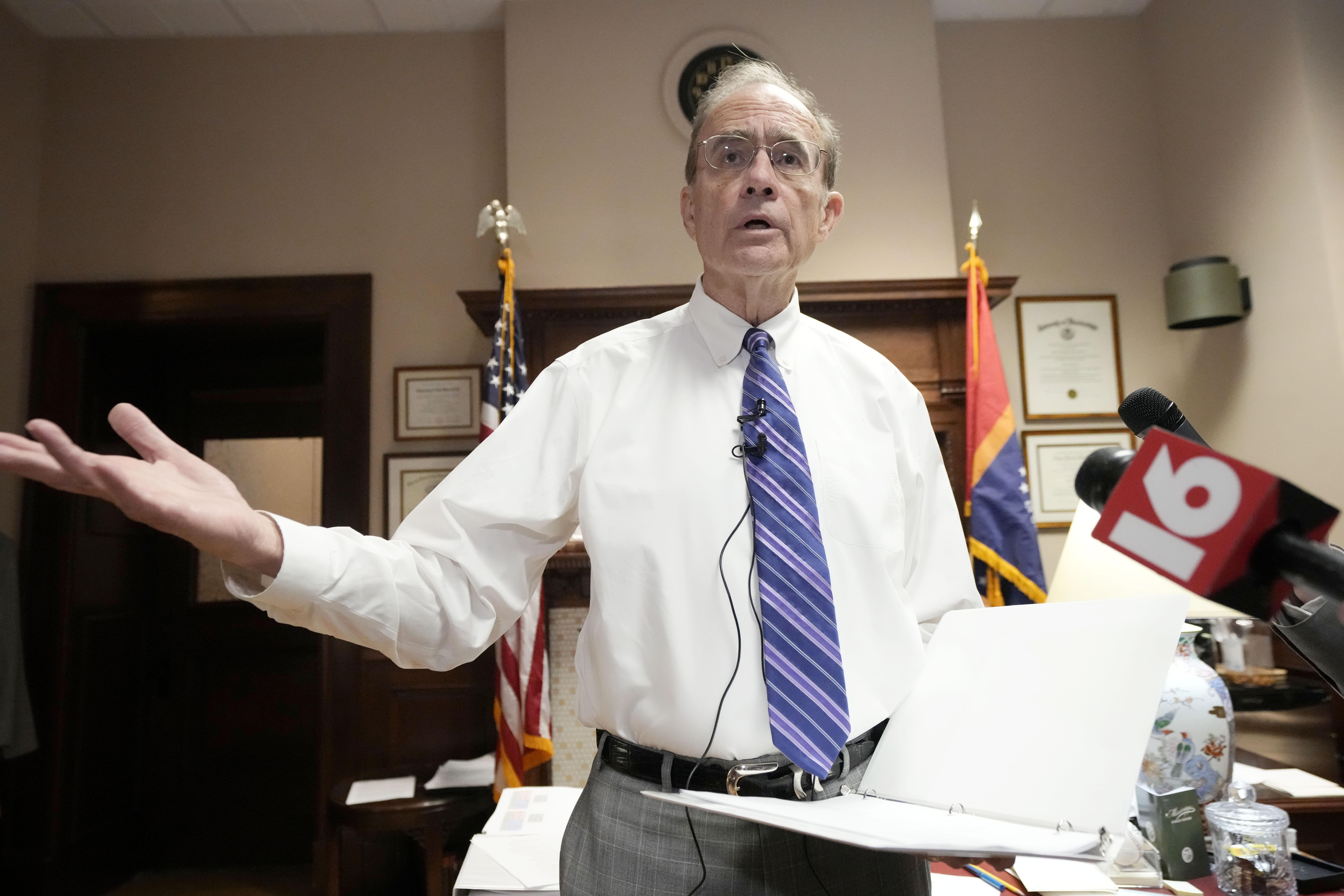
House Speaker Jason White, R-Kosciusko, has emphasized that the proposal is limited rather than universal and targeted toward lower-income families.
“We’re not talking about opening up universal school choice to any of the 500,000 kids that are in K-12 education in our state,” White said during a media Q&A earlier this week. “It’s going to be measured. It’s going to be common sense. It’s gonna be our most needy kids first.”
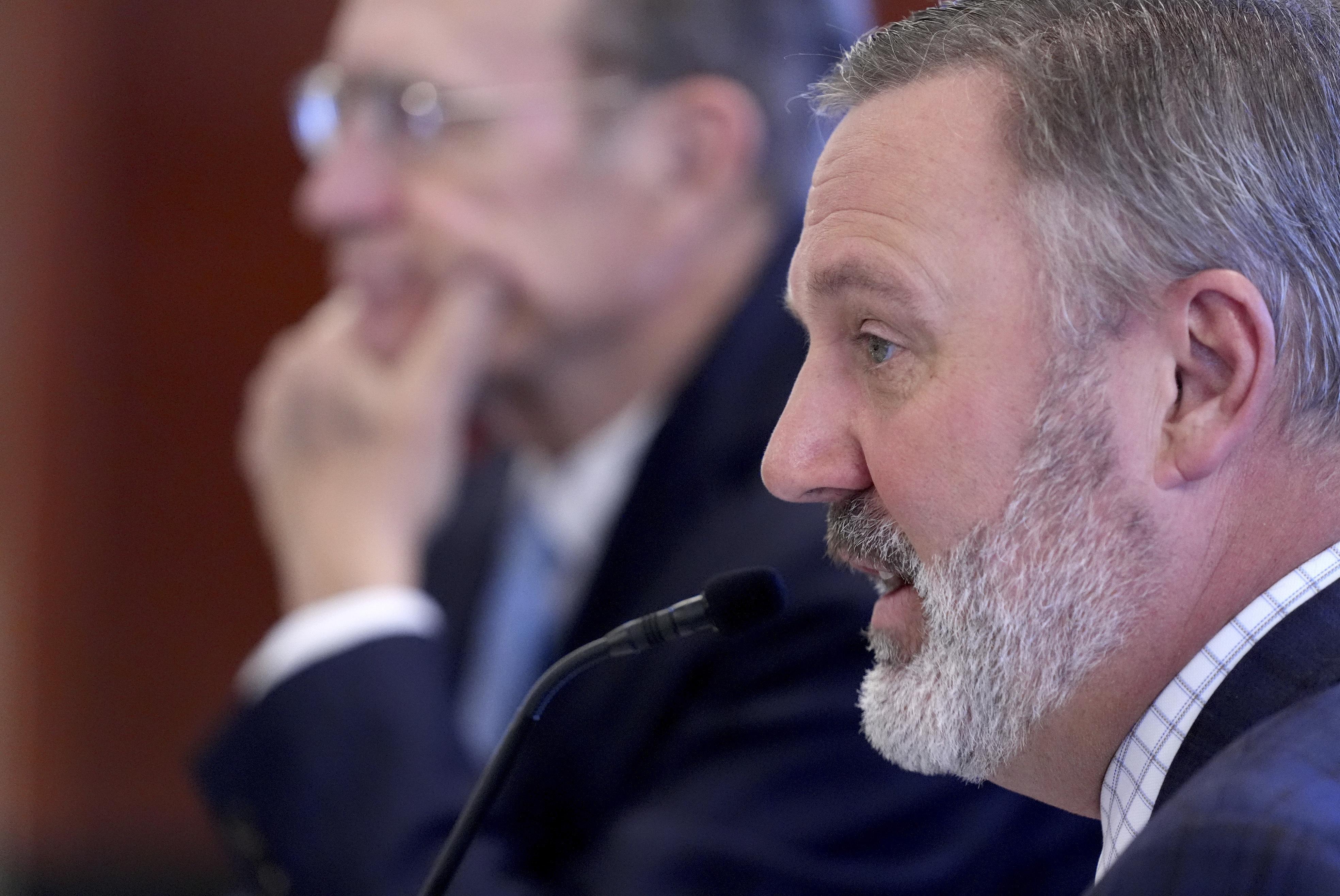
House Education Chairman Rob Roberson, R-Starkville, said the legislation is meant to change how education decisions are made.
“It’s attempting to put parents back in control of their child’s education,” Roberson said.
At the center of the proposal is the creation of Magnolia Student Accounts, a new school choice program that would allow some families to use public education dollars for approved education expenses outside traditional public schools.
Eligible uses would include private school tuition, tutoring, homeschooling expenses and other education-related costs. Participation would be limited in the early years, with an initial enrollment cap of 12,500 students that would increase gradually.
House leaders say the phased rollout is meant to avoid sudden budget shocks while expanding options for families who currently lack them.
The bill also expands public-school open enrollment, requiring districts to be more transparent about capacity and making it easier for students to attend public schools outside their home district when space is available.
District leaders and some lawmakers have pushed back, arguing that fixed costs remain even when students leave and that funding losses could destabilize already struggling schools.
Roberson said education funding should follow students, even if that creates pressure for districts that lose enrollment.
“The money that the taxpayer pays for education isn’t to keep a school open, it’s to educate a child,” he said.
If enacted, the bill would also loosen restrictions on charter schools, giving authorizers more flexibility to approve expansions, mergers and consolidations. It directs the Mississippi Department of Education to seek a federal waiver from some annual standardized testing requirements.
“We’re testing these kids way too much,” Roberson said. “Time in the classroom is meant for teaching, not teaching to a test.”
At a House Education Committee meeting Wednesday, parents were invited to share their experiences navigating Mississippi’s education system. Several described school choice as a necessity rather than a political issue.
Brittany Thrash told lawmakers she struggled to secure dyslexia services for her son within her home district and could not transfer him to a public school that offered better support. She said she ultimately changed jobs to gain access.
“I had to take a job as an assistant teacher to keep my child at the school where he could get the education he needs,” Thrash said.
Other parents spoke about charter schools, homeschooling and faith-based schools, arguing that flexibility allowed their children to succeed when traditional public schools did not meet their needs.
Some testimony raised a different concern: how choice programs interact with students with disabilities and the obligations public schools must meet.
Florence Bass, the mother of a child with Down syndrome, told lawmakers many private schools are not equipped to provide the full range of services.
“You should look at how many private schools willingly take children like this to educate alongside typical peers,” Bass said. “I’ll help you out, not many.”
Democrats and other skeptics argue the bill risks pulling resources and stability from public schools and that the politics are outrunning what families can realistically buy with state aid.
House Minority Leader Robert Johnson, D-Natchez, said the demand he hears from constituents is for investments in public schools rather than a new choice program. He also questioned whether the funding levels under discussion would make private school accessible for most families.
“$6,800 cannot get you tuition in any private school in this state,” Johnson said. “Not one worth going to anyway.”
The bill must advance through the House Education Committee before it can be considered by the full chamber.