Among the organizations that applied but did not receive funding was the Fairland Center in Dublin — one of only two residential treatment facilities in Mississippi that accept pregnant women and mothers with young children.
Life Help, the organization that operates Fairland, had applied for $500,000 to expand beds, distribute naloxone and place staff in hospital emergency rooms to connect overdose patients with follow-up care — specifically for pregnant and parenting women. The advisory council ranked their application in the second tier. The Legislature did not fund it.
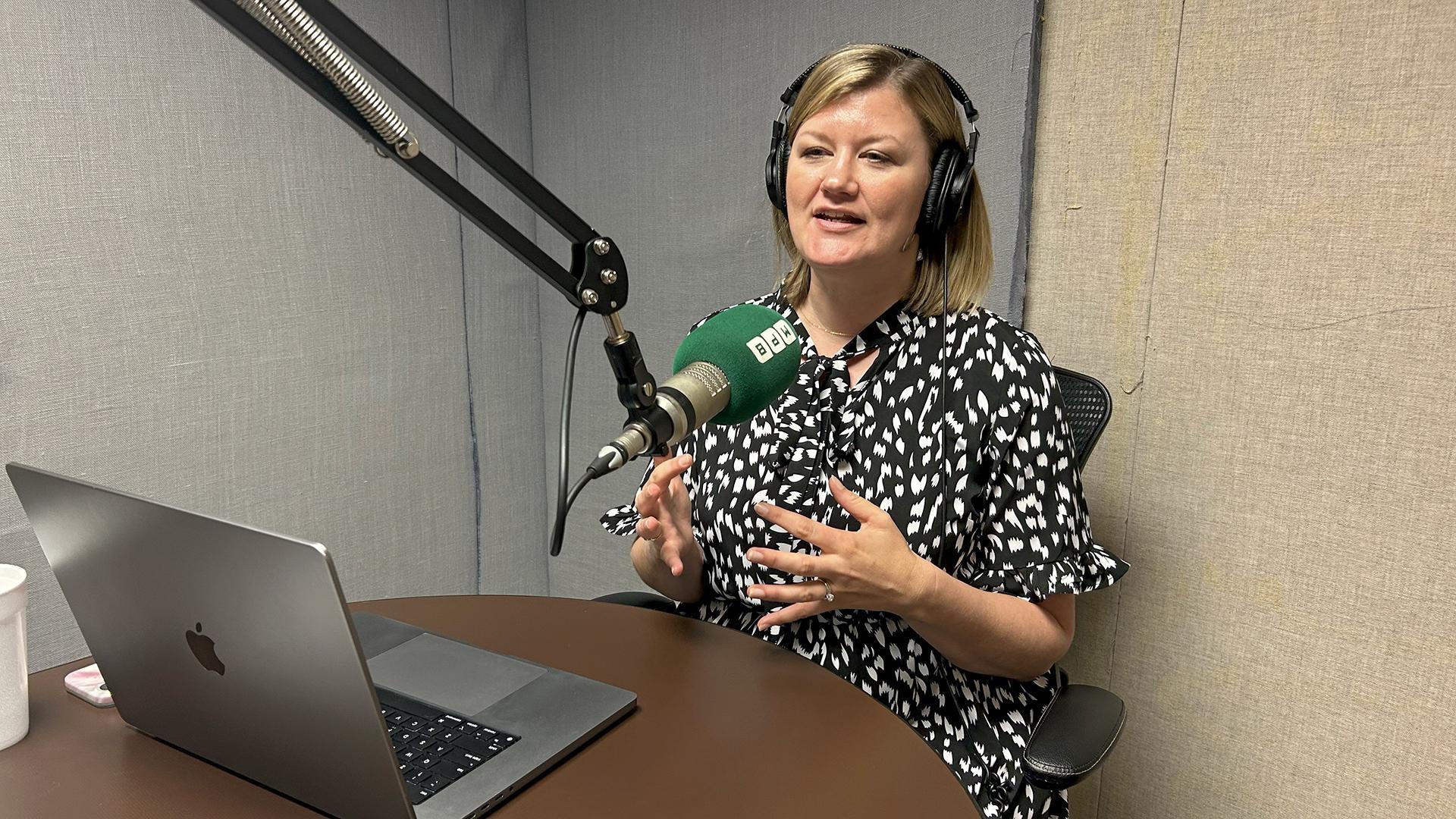
Phaedre Cole, Life Help’s executive director, said the organization was “disappointed,” pointing to its decades of work in a region heavily affected by the opioid crisis.
“The Delta is, if not the poorest area in the country, one of the poorest,” said Jonathan Grantham, the organization’s chief clinical officer. “It’s very important that we have money to provide care to an indigent population who otherwise would not have the resources to receive the services they need.”
The Fairland Center currently operates 24 funded beds, though the facility can accommodate more. When mothers arrive with children, each child requires a bed — meaning a mother with three children occupies four.
Lower reimbursement rates for children make expansion financially difficult, even when space is available. Cole said no construction would be needed to grow.
“We are ready to go,” she said. “You could see the impact immediately.”
Life Help plans to reapply in the next funding cycle. Cole said lawmakers should rely more heavily on the advisory council’s review process when making funding decisions.
“We have a proven track record,” she said.