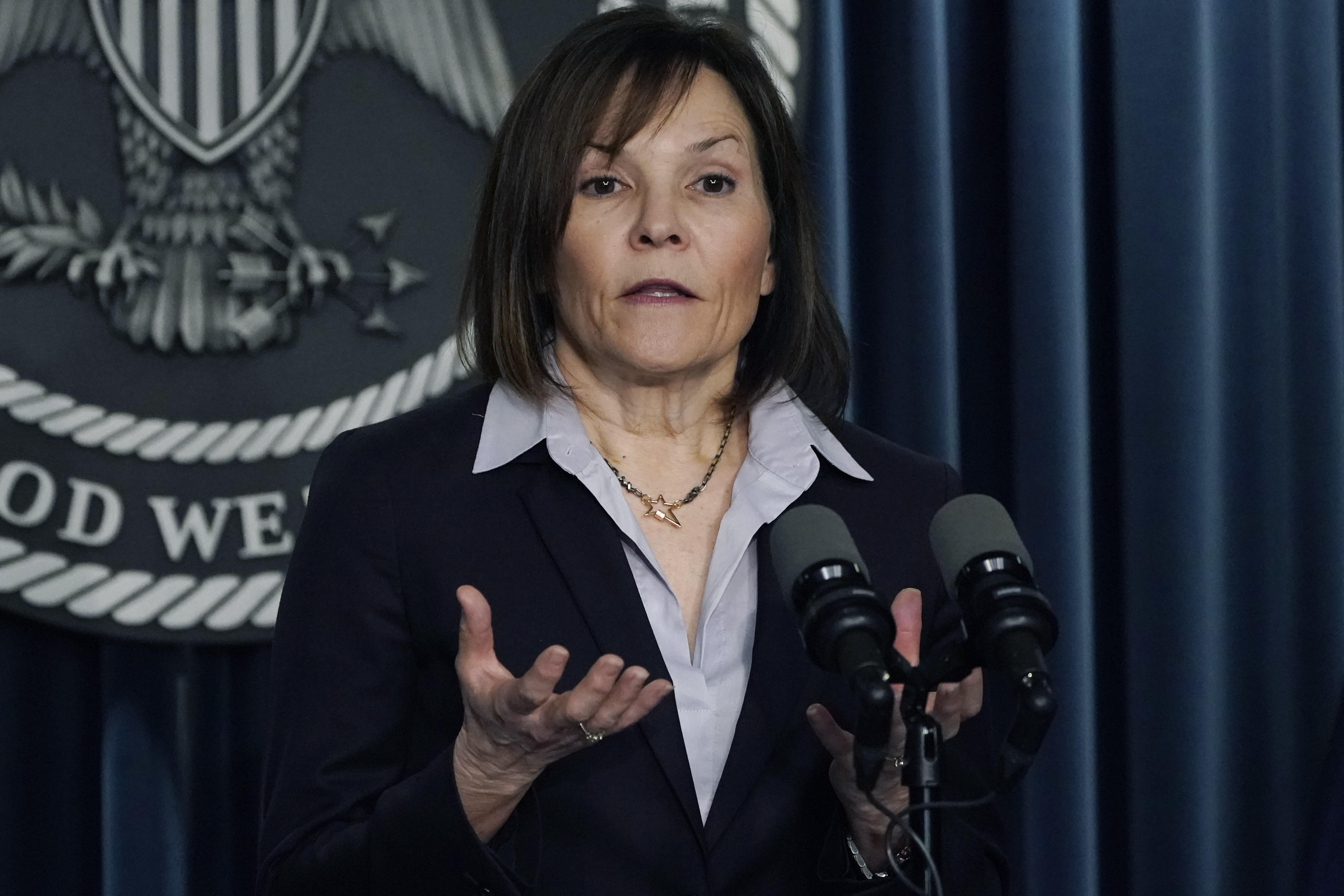
The report identified 48 children who were victims of maltreatment while in state custody during the reporting period, a figure that exceeds the maximum benchmark allowed under the settlement agreement. While the agency reported only 25 to 30 cases, independent investigators uncovered additional instances of abuse that the department had missed or failed to document.
The audit also found that 155 children were housed in hotels or motels due to a lack of available foster homes, with many staying in temporary lodgings for weeks or months.
Marcia Lowry, executive director of A Better Childhood and an attorney representing the children in the federal lawsuit, said the findings prove Mississippi is reneging on its legal obligations.
"All of these commitments relate in one way or another to the safety of children, " said Lowry. “And these are all items the state agreed to do. And the state is not doing that.”
Lowry noted that the report’s significance lies in the independent verification process, which bypassed the state’s self-reported statistics.
"The report is very important because it not only takes the numbers but it then does verification of the numbers... there are real problems with the documentation of these things that the state says it's doing," she said.
Lowry argued that these documented shortcomings have lasting, damaging consequences for the state’s most vulnerable residents.
"By the time the kids get out of the foster care system in Mississippi, they've experienced continuing traumas,” Lowry said. “The foster care system is supposed to help kids, these kids are only getting worse in the system.”
Lataya Stewart, who has been a foster parent for 13 years and has fostered 15 children and adopted three, said the report mirrors the challenges she sees daily. She noted that while many children enter the system with significant trauma, a stable environment is the first step toward recovery.
"They thrive. They feel better... they're not as guarded. They're more relaxed. It can be, in some cases, a lifelong connection for that child," Stewart said.
Stewart emphasized that foster parents provide critical stability while working with the state toward the ultimate goal of family reunification.
The monitor’s report detailed widespread failures in mandatory monthly visits, medical and dental care, educational stability, and background checks for relative placements. Despite these findings, Stewart expressed empathy for the department’s leadership.
"I think CPS and Commissioner Andrea Sanders are doing the best they can with what they have."
She added that the key to improvement lies in recruiting more foster families and securing additional legislative resources.
Mississippi began a "rebuilding period" in 2021 after admitting non-compliance with the federal settlement. While the state had several years to implement changes before monitoring resumed, Lowry believes the progress is insufficient.
"If the federal court were to grant the state's motion, these children would just be left on their own in a system that operates in a way that doesn't protect them,” said Lowry. “It’s a really frightening proposition.”
A federal judge has yet to rule on the state’s motion to vacate court oversight. The pending decision will determine if Mississippi remains under federal scrutiny or if it will be granted full control over its struggling foster care system.