Your Page Title

Mississippi pharmacists discuss PBM reform with Senator Hyde-Smith as federal bill progresses

Email share
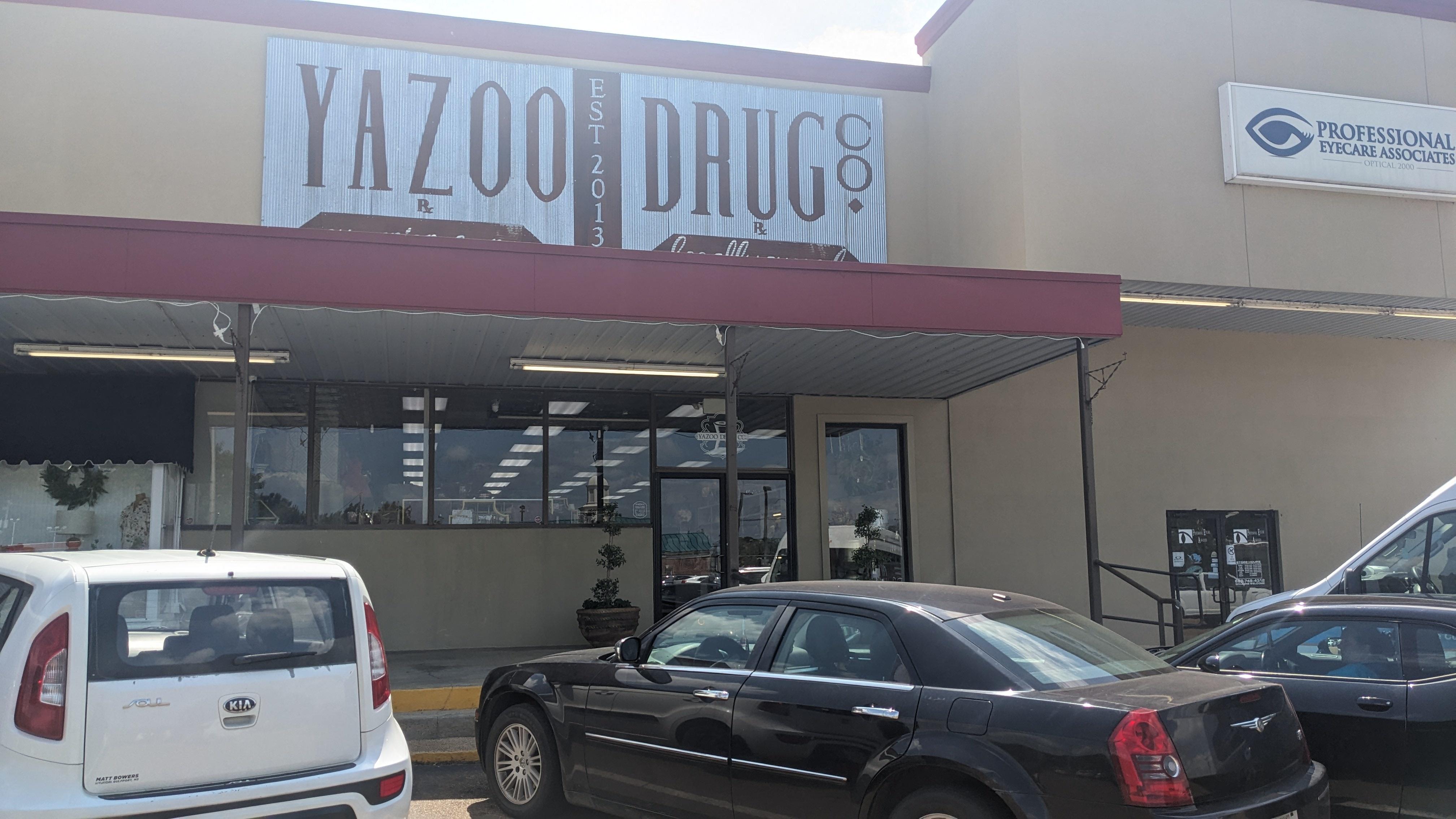
At Yazoo Drug Co., independent pharmacists met with Mississippi's U.S. Senator Cindy Hyde-Smith to discuss support for pharmacy benefit manager reform, both at the federal and state level. 
Elise Catrion Gregg, MPB News

For another year, Mississippi's legislature has failed to pass measures to reform pharmacy benefit manager (PBM) regulations. Local pharmacists say that without changes, independent pharmacies around the state could continue to shutter. 

Elise Catrion Gregg

Mississippi pharmacists discuss PBM reform with Senator Hyde-Smith as federal bill progresses

00:0000:00

Ahead of next session, many of those pharmacists are figuring out what to do differently at the state capitol, while looking for help at the federal level to address nationwide reform. 

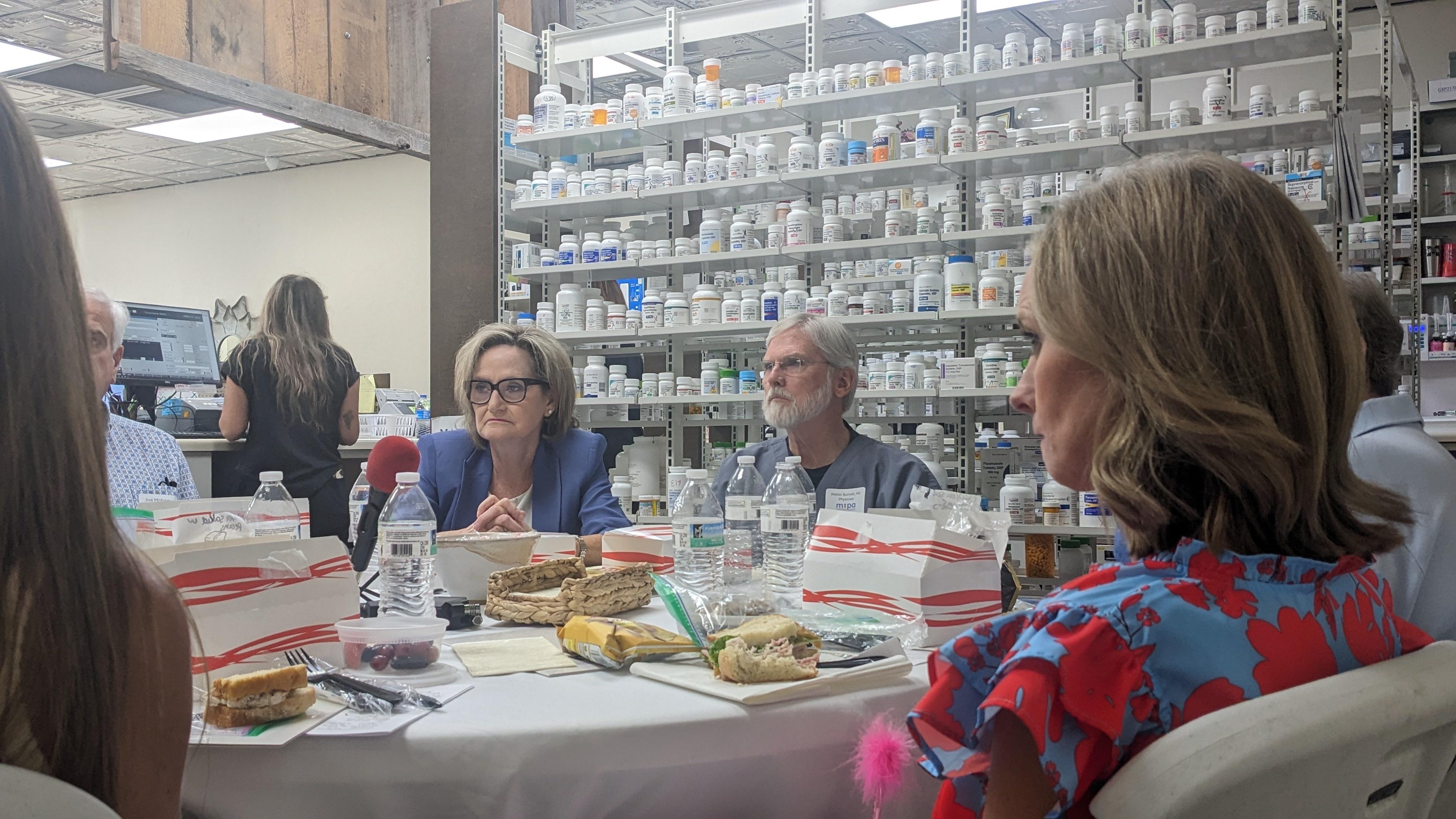
At a roundtable in Yazoo City last Thursday, U.S. Senator Cindy Hyde-Smith met with pharmacists and other local medical professionals in the state to discuss both state and federal-level issues. Hyde-Smith indicated that she'd support a bill in the Senate similar to one proposed by the U.S. House late last year. 

"Any legislation that addresses PBMs and the cost of prescription drugs in this country, I will be all over," Hyde-Smith told MPB News. "It is a travesty that PBMs, Pharmacy Benefit Managers, are getting away with what they're getting away with, when they are doing nothing but gouging."

Filer image
Mississippi's U.S. Senator Cindy Hyde-Smith (center) discusses PBM reform with pharmacists and other medical professionals at Yazoo Drug Co. on Aug. 27, 2026.
Elise Catrion Gregg, MPB News

Several of Mississippi's congressional representatives have already signed onto a proposed U.S. House measure that would limit the costs associated with PBMs. 

Last week, Republican congressmen Mike Ezell and Trent Kelly became cosponsors of H.R.6610, the Pharmacists Fight Back [in Federal Employee Health Benefit Plans Act]. Earlier in August, Democratic Congressman Bennie Thompson also joined on.

The bill would drive down some of the expenses and require greater transparency measures associated with pharmacy benefit managers, or third-party workers who play a role in administering prescription drug programs. 

It pertains specifically to health benefit plans for federal employees, including regulations like establishing stricter requirements with pharmacy reimbursements for prescription drugs, requiring greater transparency and prohibiting certain PBM practices that could limit the customers and medications that independent pharmacies have access to. 

Guy Phillips, an independent pharmacist in Indianola, says costs associated with PBMs make it hard for independent pharmacies to stay open. He estimates that around a dozen have closed this year alone.

"A lot them in towns where there's nothing else and nothing's replacing them," Phillips said. "That's not good trend, that's gonna be good for the state."

Joe Mohamed, president of the Mississippi Independent Pharmacy Association, said it's been tough pushing for similar protections at the state level, though.

"The federal level needs to be dealt with to set a good basis for everything to go by," Mohamed said. "If everybody's got a good basis to go by, then everything on the state level can network it into it — but there's got to be some solid language federal-wise to take care of all this."

Other states around Mississippi have passed PBM reform laws. Louisiana passed a state law in June "to prohibit certain reimbursement cost assignments" with PBMs. This week Louisiana attorney general, Liz Murrill, announced the state is suing several companies that she alleges manipulated the prescription drug marketplace. 

Arkansas has passed several laws putting restrictions on PBMs (regarding reimbursements and pharmacy ownership), with multiple court battles ongoing.In the meantime, the state's insurance department, last month, issued numerous reimbursement orders (some with hefty penalties) "to PBMs who were found to pay, on average, below what is considered a fair and reasonable reimbursement rate to Arkansas pharmacies."

"The PBMs decided they're going to do what they want to do instead of doing what the law says they have to do," Mohamed said, discussing Arkansas' current situation. "I just don't understand why they can overstep the law and not get penalized."

An amended version of H.R. 6610 passed the Government and Oversight Committee in July with a 40-2 vote