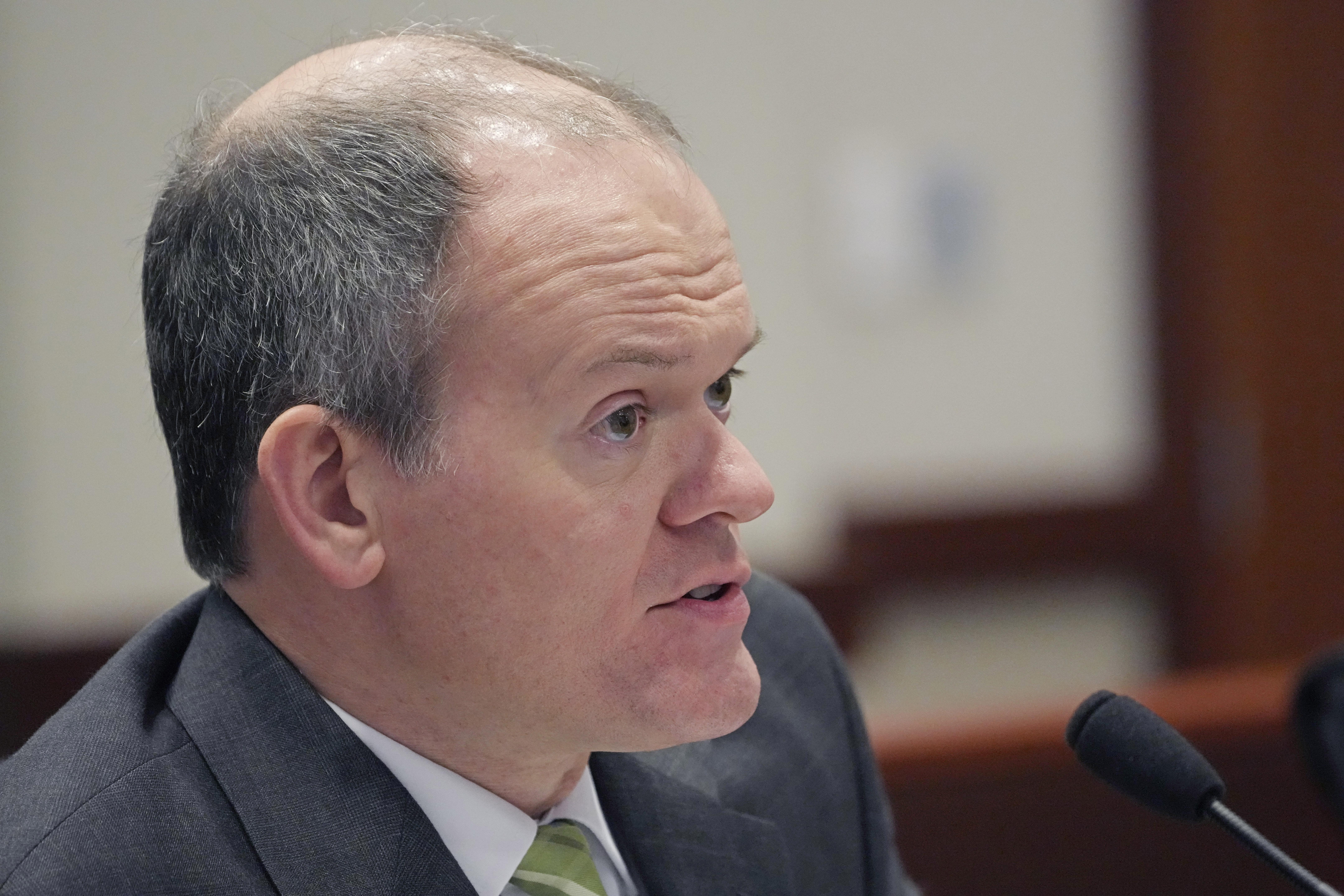
Since July, the state treasury has brought in nearly $70 million more than budget writers projected. That strength is coming largely from consumer habits and wage growth, according to State Economist Corey Miller.
“People are still spending money even though there’s a lot of anxiety about price increases,” Miller said. “People still have the ability to spend and they seem to continue to do that.”
Miller said wages climbed more than five percent over the past year, while the number of people working has held steady. That growth has helped boost individual income-tax collections, one of the state’s largest revenue streams. But other parts of Mississippi’s economy aren’t keeping pace.
“Manufacturing’s not doing as well this year,” Miller said. “Our agriculture sector is not doing as well. A lot of that is tariff related.”
Miller noted that Mississippi farmers, particularly soybean growers, have lost significant export market share because of ongoing trade disputes.
Corporate income-tax collections are also slipping. Miller attributed part of that to a 2023 state law that allows companies to immediately deduct the full cost of new equipment investments and part to lower corporate profits.
Another major driver of the state’s current surplus isn’t tied to the economy at all. High interest rates are generating unusually large returns on the state’s cash holdings.
“That’s about thirty million dollars over the estimate just in interest, almost half of what we were over in the first four months,” Miller said.
Despite revenues running ahead of projections, lawmakers moved last week to slightly trim the state’s official revenue estimate. The Joint Legislative Budget Committee unanimously reduced the forecast for FY2026 by about one percent, roughly $75 million, to keep projections conservative heading into the 2026 session.