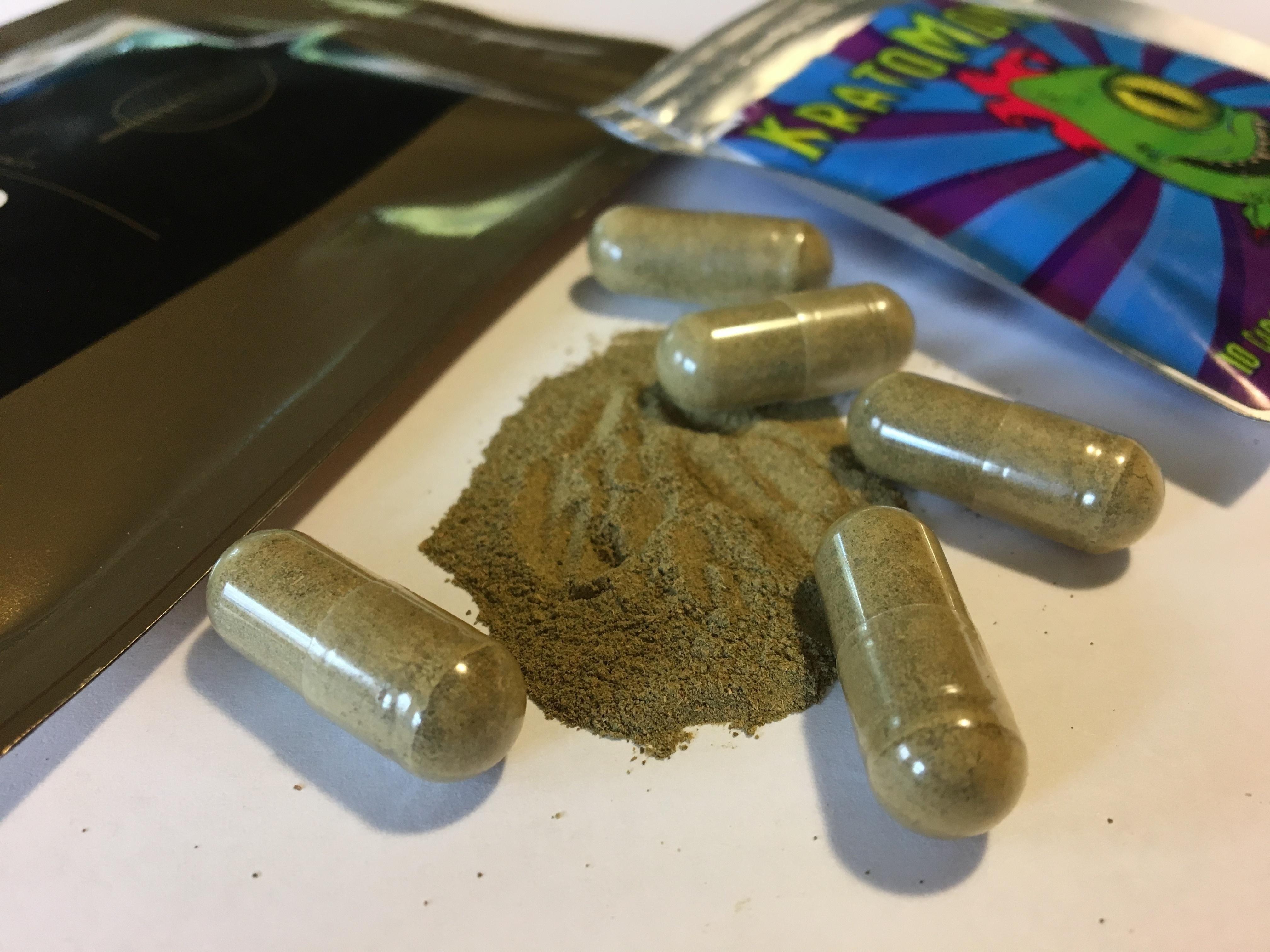
Mac Haddow, senior fellow on public policy for the American Kratom Association, said investigators should release details about products recovered at the scenes, arguing that synthetic compounds should not be conflated with natural kratom.
Haddow said the distinction is important because some products contain chemically altered compounds rather than naturally occurring kratom leaf. He called for comprehensive toxicology testing before conclusions are reached about what caused the students' deaths.
“A responsible view of the science that documents the safety of kratom should dictate the public policy in the state of Mississippi,” Haddow said, urging officials to determine what substances were actually consumed and whether multiple substances were involved.
Mississippi law already places restrictions on kratom. State Rep. Lee Yancey, R-Rankin, said he authored House Bill 1077 during the 2025 legislative session. The law made certain synthetic kratom products illegal and established an age restriction of 21 for regular kratom products.
Yancey said the deaths have highlighted questions about how products are sold and tested. He said he believes products marketed as drugs should be tested to ensure consumers know what they contain.
“There is plenty of evidence that shows that kratom helps some people and kratom hurts some people,” Yancey said, noting that while some use the substance for pain relief, others report addiction or harmful side effects.
Yancey said he plans to continue discussions with lawmakers ahead of the upcoming legislative session. He said possible approaches include requiring product testing and considering whether kratom should receive a controlled-substance designation that would involve medical oversight.
Kratom advocates at the press conference said natural kratom has helped them manage chronic pain and other conditions. Sherry Owings, a Mississippi resident, said she began using natural kratom after struggling with chronic pain and prescription medications. She said she has remained sober and stopped taking numerous pharmaceutical medications after beginning to use kratom.
“It's just a miracle leaf and I just wish people could really understand what they're trying to ban and take away from people like me,” Owings said.
But Yancey said more regulation is needed because consumers may not know exactly what is contained in products sold in convenience stores or gas stations.
“I think we need to be very, very careful that we don't continue to allow these drugs to be sold so flippantly in the gas stations,” Yancey said.
The debate is expected to continue as investigators work to determine what substances were involved in the Ole Miss deaths and Mississippi lawmakers consider whether additional regulation is needed.