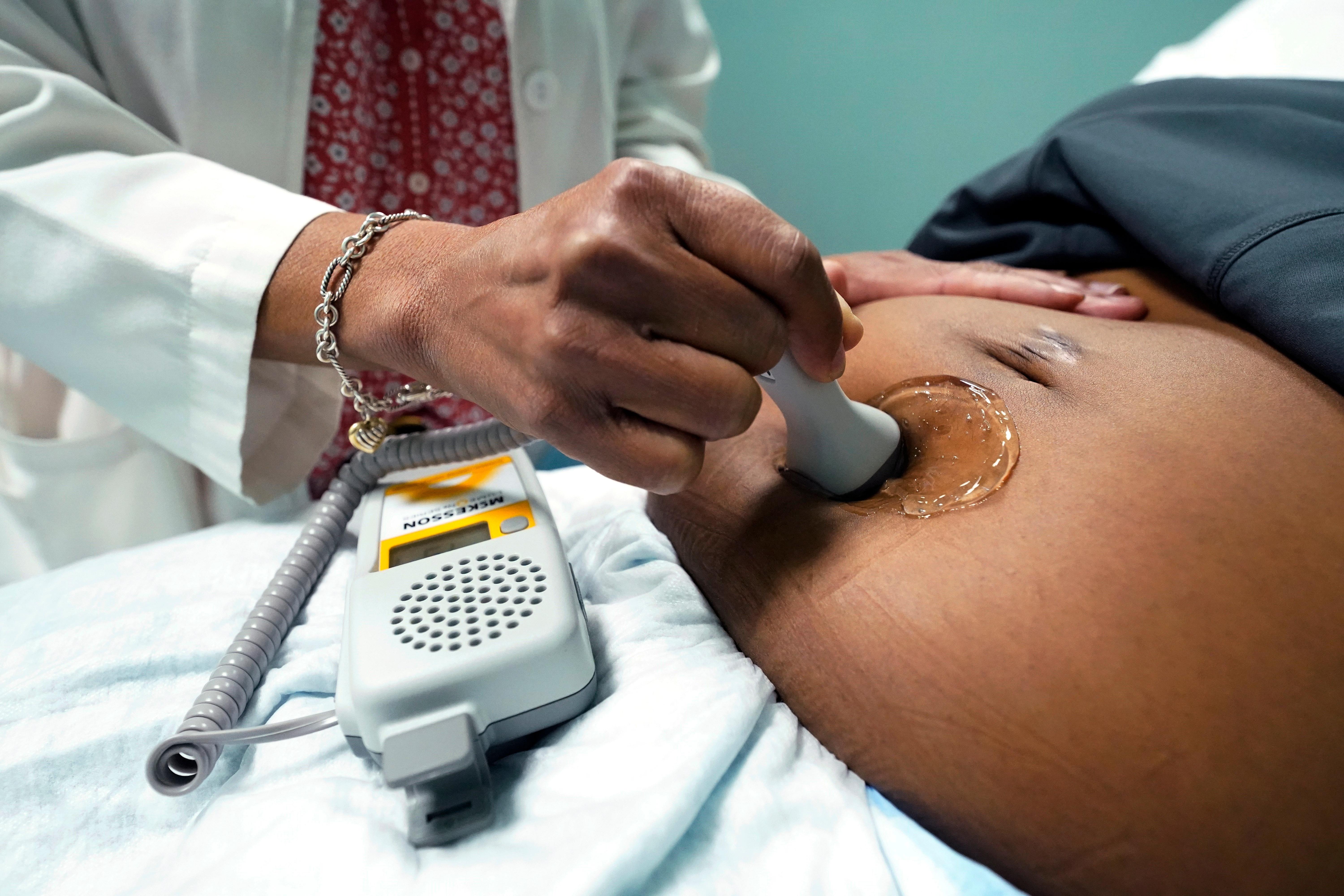
House Bill 1637 would establish a fetal and infant mortality review panel within MSDH. The panel would review deaths during pregnancy and through a child’s first year of life and make recommendations aimed at lowering Mississippi’s infant mortality rate.
The measure cleared the House earlier this month in a unanimous vote, signaling broad agreement on the need to confront the state’s persistently high infant death rate. As the bill came before the Senate Public Health Committee, State Health Officer Dr. Daniel Edney said the issue demands urgency.
“For us to get off the bottom from having the highest rate of infant deaths in this country, we have got to take an all hands on deck approach,” Edney said.
MSDH reported an infant mortality rate of 9.7 deaths per 1,000 live births in 2024, far above a national average of about 5.5. The racial disparities are stark as well. MSDH reports Black infants die at more than double the rate of White infants, and March of Dimes data averaging 2021-2023 puts Mississippi’s infant mortality rate at 12.4 for Black infants compared with 6.8 for White infants.
Mississippi health officials already utilize a maternal mortality review committee that examines pregnancy-related deaths. HB 1637 mirrors that structure for the infant mortality panel, and Edney said it would provide invaluable data to public health officials.
“We’ve made strides in maternal death, but we are not moving the needle at all with fetal and infant death and this bill will help the health department do that,” he said.
Under the proposal, the review panel would include physicians, nurses, social workers and other health professionals. It would collect information from hospitals and providers, analyze patterns and publish subsequent findings.
The bill’s central mission drew no opposition. Instead, the debate centered on language allowing certain MSDH panels to meet behind closed doors and shield records from disclosure under Mississippi’s public records law.
Some lawmakers questioned how far that authority would extend.
“I’m very concerned about these records because the bill, as I read it, does not limit itself to maternal and infant mortality. It says any panel, committee, system, or program established by the State Department of Health,” Sen. David Blount, D-Jackson, said.
Other lawmakers were skeptical of the idea that additional confidentiality protections are necessary.
“Why is the secrecy so urgent now that we’re gonna look at infants?” Sen. Angela Hill, R-Picayune, asked.
Edney pushed back on the idea that the bill enables secrecy, describing it instead as a safeguard for sensitive performance-improvement discussions.
“This is not meant to hide anything, it’s to allow us to do the work that we need to do in private,” he said.
Edney said hospitals routinely conduct internal mortality and morbidity reviews that are protected from public disclosure to encourage straightforward analysis. He argued the department is seeking similar protections at the state level so facilities feel comfortable sharing detailed, facility-specific information.
Edney emphasized the confidentiality would apply to the underlying deliberations and records gathered during the review process.
“Without that information, we can’t make things better,” he said.
After discussion and questioning, the committee voted to table the bill subject to call, a procedural move that allows it to be reconsidered later. Members indicated they want to ensure the confidentiality language is sufficiently narrow before advancing HB 1637 to the full Senate.